The forum, which kicks off on October 12, discusses the future of stability and cooperation in the region amid political and security challenges facing Iraq and the Middle East.
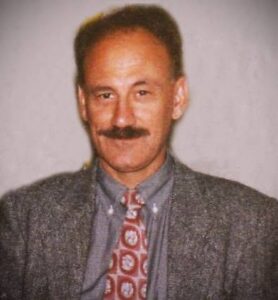
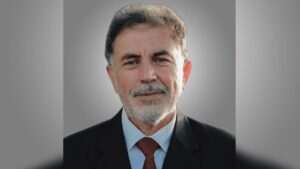
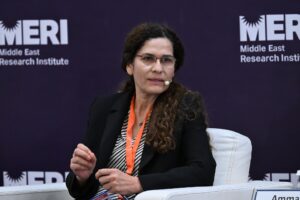
On Sunday, October 11, 2026, Syrian Presidency Advisor Mazloum Abdi and Kurdish politician Ilham Ahmed arrived in the city of Hewler (Erbil), the capital of the Kurdistan Region of Iraq, to participate in the Middle East Research Institute (MERI) Forum. The event brings together political figures, diplomats, and researchers to discuss prominent issues and challenges facing the region.
The forum’s proceedings are scheduled to begin tomorrow, Monday, October 12, and will run for two days, according to the official program announced by MERI, the organizing body of the event.
The forum is held annually in Hewler and serves as a platform for dialogue and the exchange of views among political leaders, decision-makers, diplomats, researchers, journalists, and civil society representatives. Its aim is to discuss the political, security, and economic issues of concern to Iraq, the Kurdistan Region, and the Middle East.
This year’s forum is titled “The Region We Share: Promoting Stability, Cooperation, and Prosperity,” and it addresses a range of topics, including shifts in regional and international balances of power, prospects for peace in the Levant, state institution reform, relations between the central government and the peripheries, and the enhancement of coexistence among religious and ethnic components.
The forum is organized by the Middle East Research Institute (MERI), an independent, non-profit research institution established in 2014 and headquartered in Hewler. It focuses on studying political and strategic issues and providing analyses and recommendations regarding the future of Iraq, the Kurdistan Region, and the Middle East.
The forum is taking place at a time when the region is facing challenges related to political stability, state-building, the management of relations between central governments and regions, and the repercussions of ongoing conflicts. These files stand out prominently in discussions concerning the future of Syria and Iraq, as well as ways to foster dialogue and cooperation among political parties and various components.
Note: This text is translated from the original Arabic version… Read the Arabic version:Click here