The Syrian Ministry of Defense announced that a meeting was held in Damascus between military officials and a delegation from the Syrian Democratic Forces (SDF) to discuss steps for integrating the forces into the formations of the Syrian army, while several meetings and field visits took place across northern Syria related to the return of displaced Kurds and the security developments in the region.
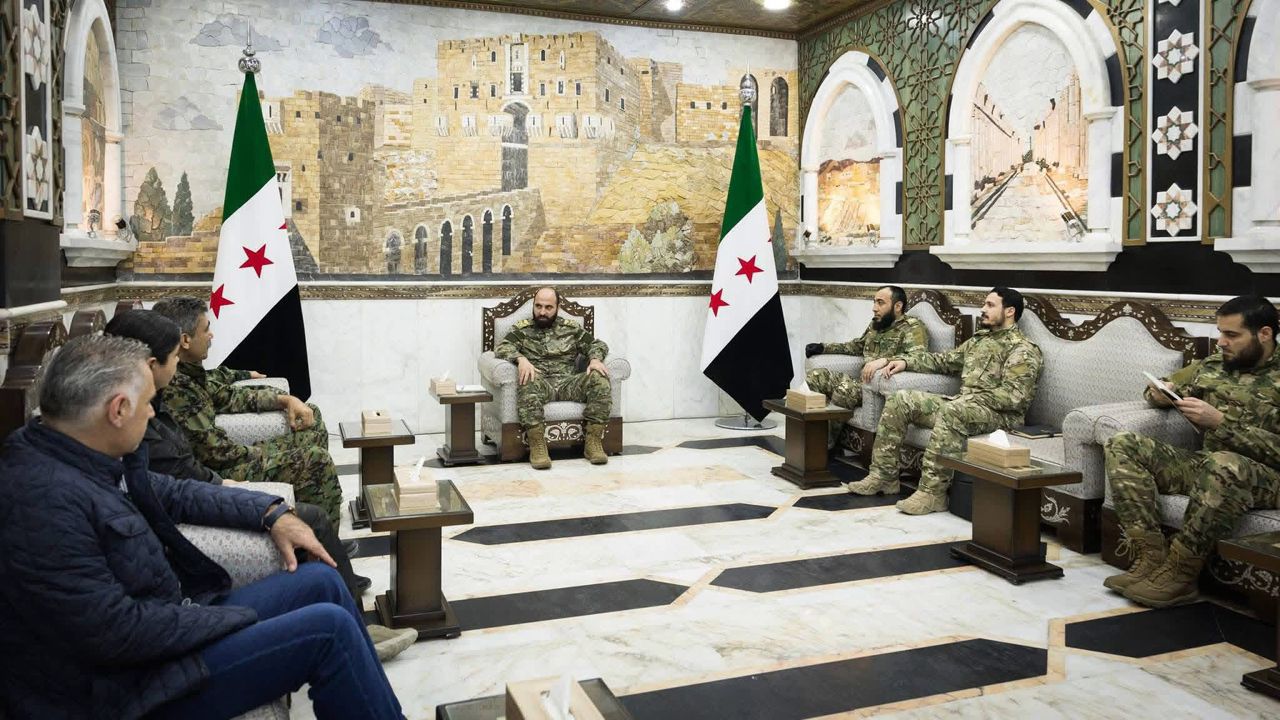
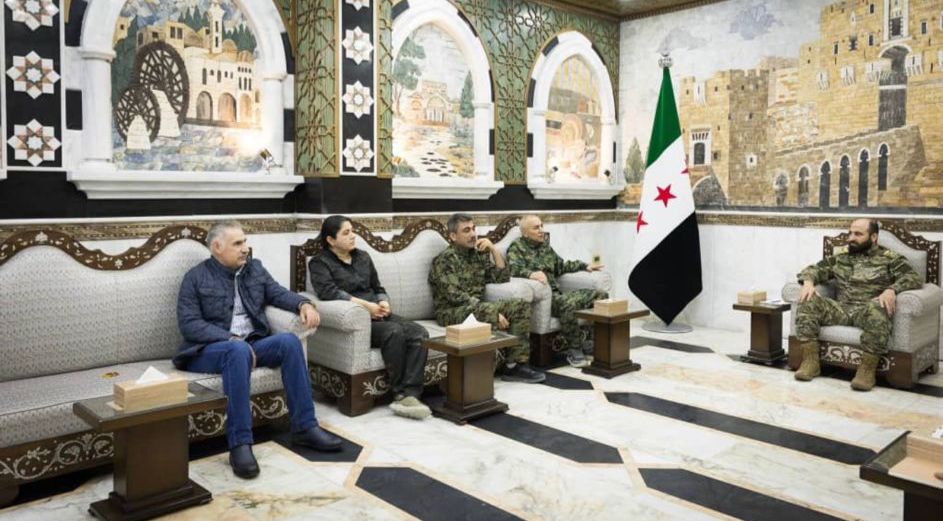
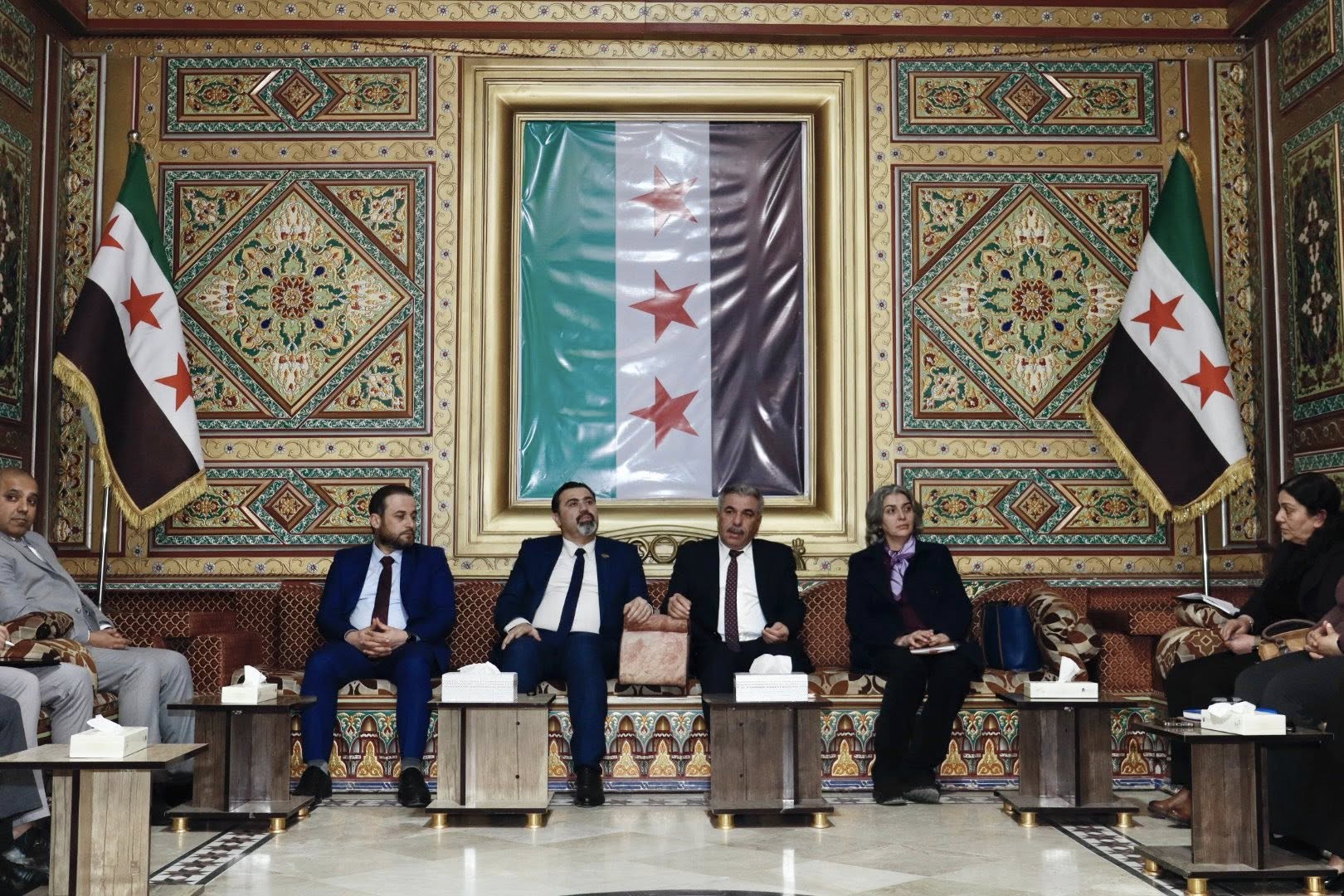
In a post on the platform X, the Syrian Ministry of Defense stated that the Chief of the General Staff, Major General Ali Al-Naasan, received a delegation from the Syrian Democratic Forces in his office in Damascus on February 22, 2026. The two sides discussed “steps to integrate the SDF forces into several brigades within the divisions of the Syrian Arab Army, as well as a number of other issues related to military deployment and administrative procedures.”
The meeting was attended on behalf of the Syrian Democratic Forces and members of the General Command of the Women’s Protection Units by Jia (Ciya) Kobani, Sipan Hamo, and Sarya Afrin. On behalf of the Ministry of Defense, the meeting was attended by the Chief of the General Staff Ali Naasan along with several senior officials from the ministry.
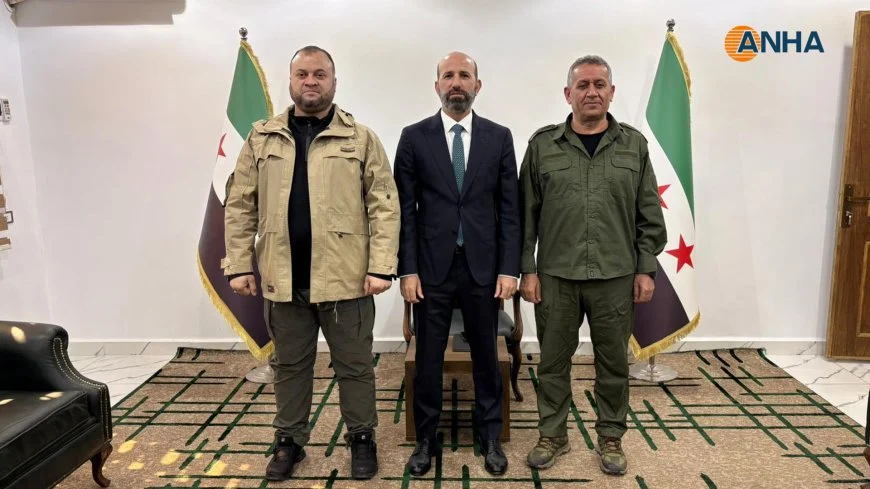
In parallel, on Sunday, February 22, Asayish Kurdish forces commander Siyamand Afrin (Mahmoud Khalil) arrived in the city of Afrin accompanied by the commander of the Internal Security Forces in Al-Hasakah Governorate, Brigadier Marwan Al-Ali; the commander of Internal Security in Aleppo Governorate, Mohammed Abdul Ghani; and Sarraqa Amouri, a commander in the governorate’s internal security apparatus.
The visit aims to coordinate with the city’s administration regarding the return of displaced residents of Afrin to their areas, within the framework of implementing the provisions of the agreement concluded between the Syrian Democratic Forces and the Syrian government on January 29.
Currently, hundreds of thousands of displaced people from Afrin, Al-Shahba, and the neighborhoods of Sheikh Maqsoud and Ashrafiyeh in Aleppo are living in shelters distributed across schools, mosques, kindergartens, and institutions affiliated with the Autonomous Administration in the cities of Qamishlo, Al-Hasakah, Darbasiyah, Amuda, Tirbespiyê, Jal Agha, Karaki Laki, and Derik.
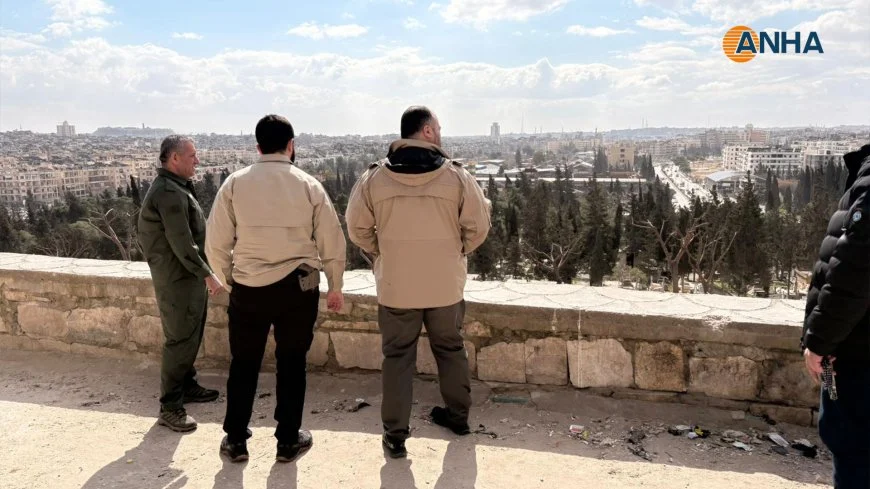
In a related development, Asayish commander Siyamand Afrin (Mahmoud Khalil) visited the neighborhoods of Sheikh Maqsoud and Ashrafiyeh in the city of Aleppo on Monday, February 23, accompanied by Brigadier Marwan Al-Ali and Mohammed Abdul Ghani.
Also on February 23, a meeting was held in the city of Raqqa bringing together the commander of the Internal Security Forces in Al-Hasakah Governorate, Brigadier Marwan Al-Ali; Asayish commander Siyamand Khalil (Mahmoud Khalil); and the governor of Raqqa, Abdul Rahman Salama.
The meeting discussed the security and service situation in the city of Raqqa and its countryside, in addition to the situation of the Kurds in the region, with emphasis on the need to guarantee the safe return of Kurds to their homes in Raqqa as part of a broader effort to return displaced people to their areas.
Education and the Kurdish Language
In another development, the governor of Al-Hasakah, Engineer Noureddine Ahmed, received Minister of Education Dr. Mohammed Turko and the accompanying delegation at the governorate building on Sunday.
The meeting discussed the state of the educational process in the governorate and the ongoing preparations for the basic education and general secondary school examinations. It also addressed mechanisms for implementing Presidential Decree No. 13, which stipulates recognizing the Kurdish language as a national language and allowing it to be taught in public schools.
Humanitarian Visit to Kobani
Amid the continuing siege imposed by factions affiliated with the Syrian government on the city of Kobani for nearly 35 days — a city hosting more than 200,000 displaced people in addition to its residents — a delegation from the International Committee of the Red Cross and the Syrian Arab Red Crescent visited the city to assess the humanitarian situation and determine the scale of aid required to meet the needs of the population.
These developments come within a broader context of tensions and violations affecting Kurdish-majority areas in northern Syria, particularly the city of Kobani (Ain al-Arab), which has been under siege for weeks by factions affiliated with what is known as the “Syrian Interim Authority,” coinciding with military operations and acts of looting that targeted dozens of Kurdish villages in the countryside of the city after their residents were displaced.
The military operation carried out by forces of the “Syrian Interim Authority,” with Turkish support, began on January 6, 2026, by targeting the neighborhoods of Sheikh Maqsoud and Ashrafiyeh in the city of Aleppo, before taking control of them on January 10, 2026. The operations later expanded to areas east of the Euphrates after some Arab tribes allied with the interim authority’s forces, particularly in Raqqa and the northern countryside of Deir ez-Zor, before extending to other Kurdish areas including Kobani, Al-Hasakah, and the countryside of Qamishli, amid reports of escalating violations.
On January 29, an agreement was reached between the Syrian Democratic Forces and the Syrian government stipulating a ceasefire between the two sides.