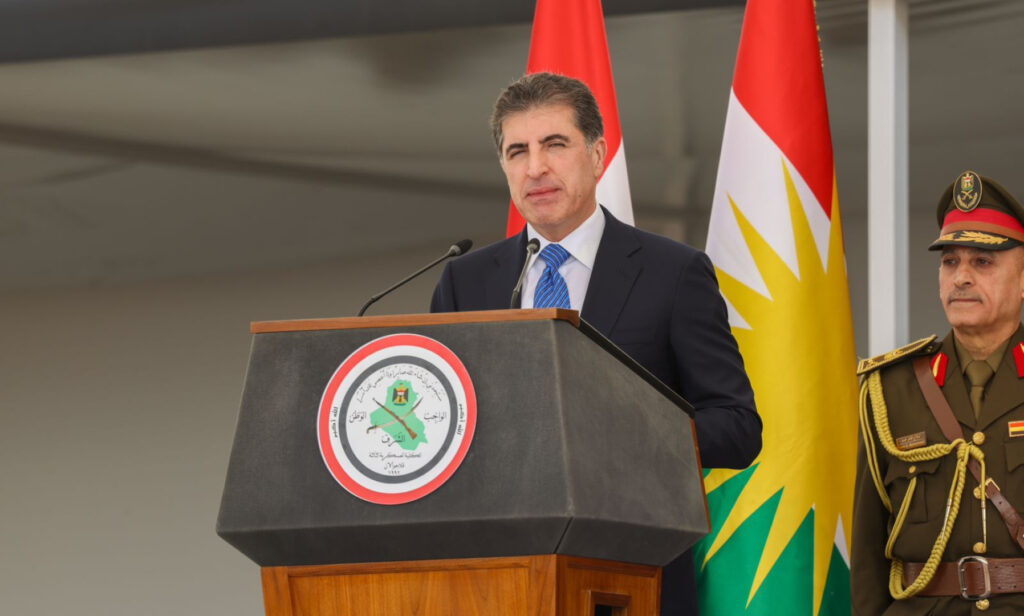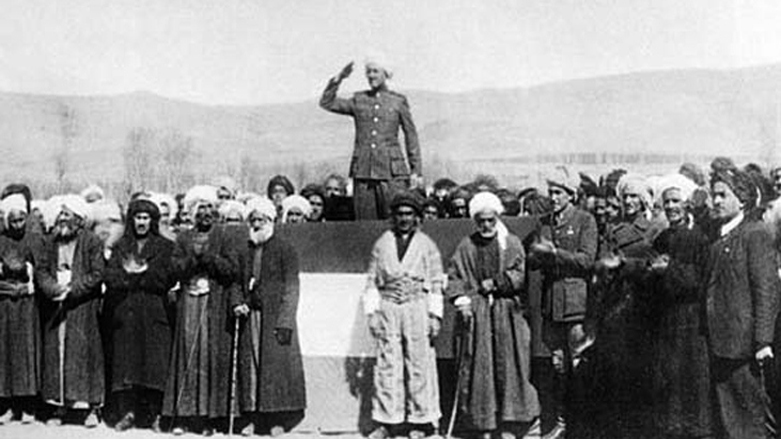
Today, Tuesday, March 31, 2026, marks the 79th anniversary of the execution of Qazi Muhammad, the President of the Republic of Kurdistan, which established the city of Mahabad as its capital. This day remains a pivotal turning point in the Kurdish national memory.
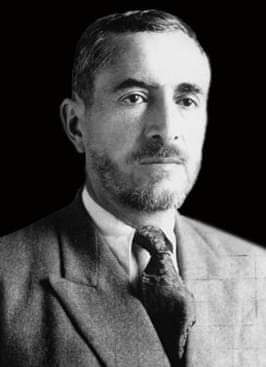
On this day in 1947, the Iranian authorities carried out the death sentence against the leader Qazi Muhammad, alongside his brother Abolqasem Qazi and his cousin Hama Hussein Khan Seifi Qazi, in Chwarchira Square (The Four Torches) in the center of Mahabad—the very same square that witnessed the proclamation of the Republic’s birth. These death sentences came in response to the aspirations of these leaders and their struggle to achieve the independence of Kurdistan.
The roots of the story trace back to World War II, when Soviet and British forces occupied the northern and southern parts of Iran. In light of that situation, a historic opportunity arose for the Kurdish liberation movement in the Mukriyan region, centered in Mahabad, leading to the official declaration of the Republic of Kurdistan on January 22, 1946.
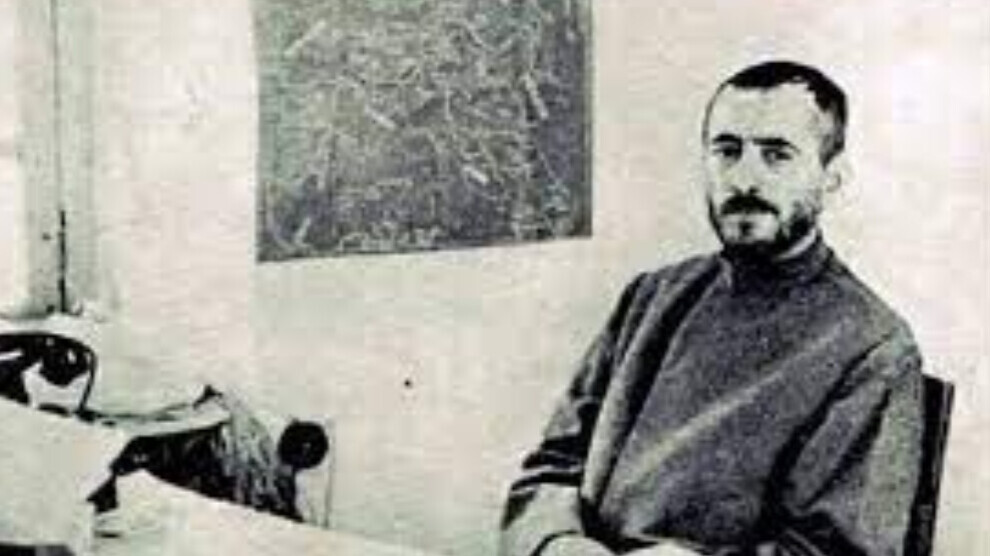
Historical sources indicate that the administration of the Republic was a model of national unity, with Kurds from various regions participating in its governance. The role of the “Barzani forces” led by the late Mulla Mustafa Barzani was prominent; he served as the General of the Republic, and his forces provided strong military support, bravely repelling attacks in several areas to defend the young Republic’s entity.
The language of international interests was the decisive factor in the end of the experiment. The Iranian Foreign Minister at the time, Ahmad Qavam al-Saltaneh, made promises to the Soviet Union to grant them oil concessions in the north in exchange for the Red Army’s withdrawal from Iranian territory. With the British controlling southern oil and the Russians eager for northern oil, the implementation of this agreement and the Soviet withdrawal left the Kurdish Republic exposed.
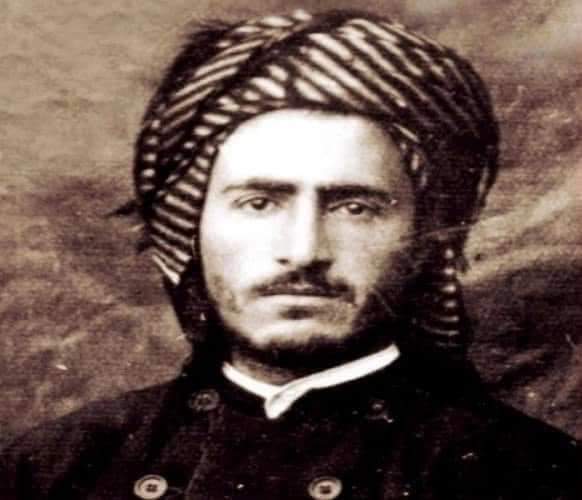
Once Tehran secured absolute British and American support, Iranian forces launched a large-scale offensive with a heavily armed army. Despite Qazi Muhammad’s attempts to open negotiations to spare the region from bloodshed—and obtaining promises from Tehran not to commit massacres against civilians—the Iranian authorities did not honor their pledges.
After the Iranian army entered and breached its commitments, the leaders of the Republic were subjected to a summary (one-sided) trial that ended with the imposition of the death penalty, which was carried out at dawn on March 31, 1947. The executions were not limited to Mahabad but also reached other leaders and administrators in the cities of Bukan and Saqqez.
Although the Republic of Kurdistan lasted for no more than 11 months, it is considered the first modern Kurdish experience in state-building. It left a profound impact on the Kurdish national consciousness; during that period, the Kurdish language was made the official language of education and government departments, a national army was formed, the Kurdish flag was officially raised, and there was a qualitative leap in the field of Kurdish journalism and publications.
The fall of the Republic, as historians see it, was a direct result of secret agreements between the great powers to divide spheres of influence and energy resources, making the Kurdish cause a victim of the international balances and interests of that era.
Muzaffar Mazouri
Source: Kurdistan24
Read the Arabic version: Click here