

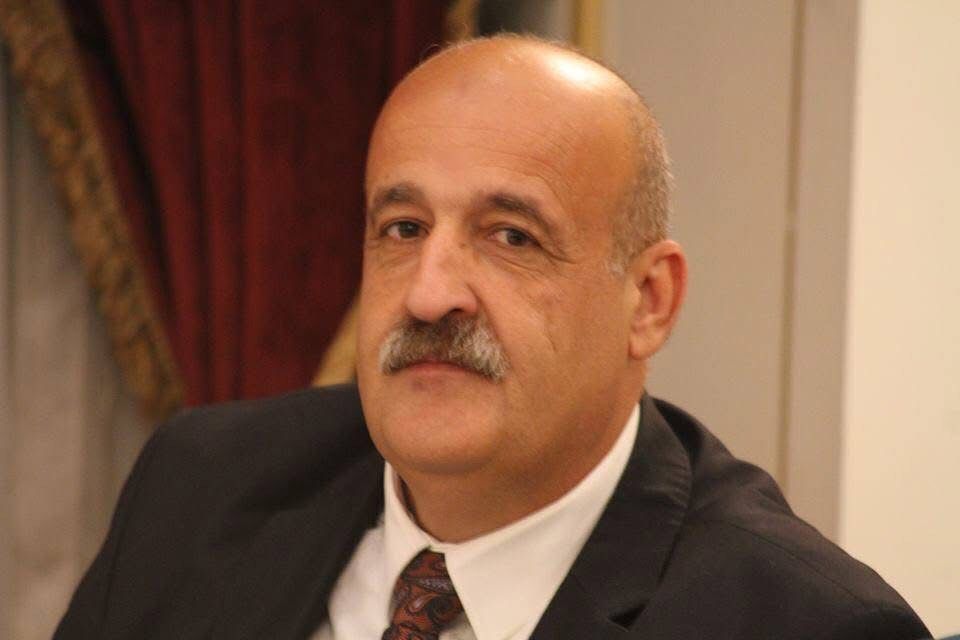
By Fuad Othman | Journalist and Genocide Affairs Activist
At the beginning of April each year, our Kurdish people commemorate the crimes committed by the bloody Saddam regime against the Faili Kurdish component. Since Saddam Hussein rose to power in Iraq in 1979, the Failis have been subjected to the most brutal forms of genocide, ranging from killing, displacement, and forced deportation to the revocation of Iraqi citizenship. The regime targeted merchants—who were considered the economic lifeline of Baghdad and Iraq at large—and went as far as conducting experiments on Faili youth in laboratories for internationally prohibited weapons.
These days, our Kurdish people mark the 46th anniversary of the genocide against the Faili Kurds. Historical sources indicate that Faili Kurds were subjected to intensive campaigns of persecution and oppression. In 1979, the defunct regime launched an organized campaign to exterminate the Kurds, which reached its peak in 1980. During that year, the Saddam regime issued Decree No. 666, which stripped Faili Kurds of their Iraqi nationality, classified them as Iranians, and resulted in the relocation of hundreds of Faili families to the Iranian border. They were expelled from Iraq and deprived of all their property, as both their movable and immovable assets were confiscated. Furthermore, heinous crimes were committed against them, including the regime forcing men to divorce their wives in exchange for monetary sums.
The defunct Ba’athist regime displaced large numbers of Faili Kurds driven by racism within the framework of genocidal policies. April 1980 witnessed the most horrific operation of forced displacement of Kurds from their residential areas, a process that continued in subsequent periods. The planning for the extermination of Faili Kurds was not limited to displacement and deportation but included genocide motivated by racial and sectarian affiliation.
In reality, these crimes began much earlier. In 1969, the Ba’ath Party government—which had seized power in a military coup in 1968—launched a campaign of forced deportation and exile targeting Faili Kurds for ethnic and sectarian reasons. In 1970, more than 70,000 Failis were deported to Iran and had their Iraqi citizenship revoked. Many cases of disappearance and execution were reported between 1970 and 1973.
Statistics indicate that approximately half a million Faili Kurds were deported to Iran, and at least 15,000 young Kurds disappeared; their remains have not been found to this day. This is in addition to the systematic executions carried out in Baghdad, Diyala, and other cities in 1979, which later extended to other Iraqi and Kurdish regions. According to data, more than 22,000 Faili youths were lost in the 1980s, and 5,000 Faili merchants were buried alive, alongside the deportation of about 600,000 Failis from Iraq to Iran, many of whom died in exile.
The crimes committed against the Faili Kurds in Iraq at the hands of the Ba’athist regime contain all the elements of genocide according to international standards. The persecution under Saddam Hussein was systematic between 1970 and 2003, leading to the displacement, flight, and actual exile of Faili Kurds from their ancestral lands in Iraq. The persecution escalated when the regime issued the dissolved Revolutionary Command Council (RCC) Decree No. 666, which deprived them of their nationality and labeled them Iranians.
Forced Displacement
In 1969, the Iraqi government launched a campaign of forced displacement and exile targeting Faili Kurds due to their ethnic background and Shia sect. In 1970, over 70,000 Failis were deported to Iran and stripped of their nationality. Prominent, high-level Faili Kurdish merchants and academics in Baghdad were specifically targeted. Activists reported numerous cases of disappearances and executions between 1970 and 1973.
In the early 1990s, the regime killed approximately 500 Faili merchants in Baghdad on charges of “monopolizing the market” as part of the genocidal policies against the Faili Kurds. Among the most horrific crimes was the killing of hundreds of Faili youths during experiments in secret laboratories for internationally prohibited weapons (while physical evidence is scarce, this crime was cited by eyewitnesses who testified before the Supreme Iraqi Criminal Tribunal).
By 2003, the United Nations High Commissioner for Refugees (UNHCR) estimated that 65% of the 20,000 refugees in Iran were Faili Kurds who had been forcibly displaced during the genocide campaign. Most refugees who returned to Iraq faced significant difficulties in applying for the restoration of their Iraqi citizenship.
Following the fall of the regime and the establishment of the Supreme Iraqi Criminal Tribunal, the file of the Faili Kurdish genocide was one of the most significant cases investigated. After several sessions, the Tribunal, in its final ruling, officially recognized the genocide of the Faili Kurds. The judicial verdict was issued based on Article 11 of the Supreme Iraqi Criminal Tribunal Law No. 10 of 2005 (as amended).
Consequently, the Iraqi government issued an official statement and pledge under Council of Ministers Resolution No. 426 of 2010 (dated December 8, 2010), aimed at removing all negative effects imposed on this authentic national component, as they are an integral part of the Iraqi people as stipulated in the Preamble of the Constitution. This was followed by Parliamentary Resolution No. 18 of 2011 (dated August 1, 2011), which, based on the Supreme Criminal Court’s decision, designated the atrocities against the Faili component as a crime of genocide. This was ratified by the President of the Republic under Presidential Decree No. 6 of 2012 (dated February 8, 2012), all of which were published in the Official Gazette of the Republic of Iraq (Al-Waqai’i al-Iraqiya).
Read the Arabic version: Click here


