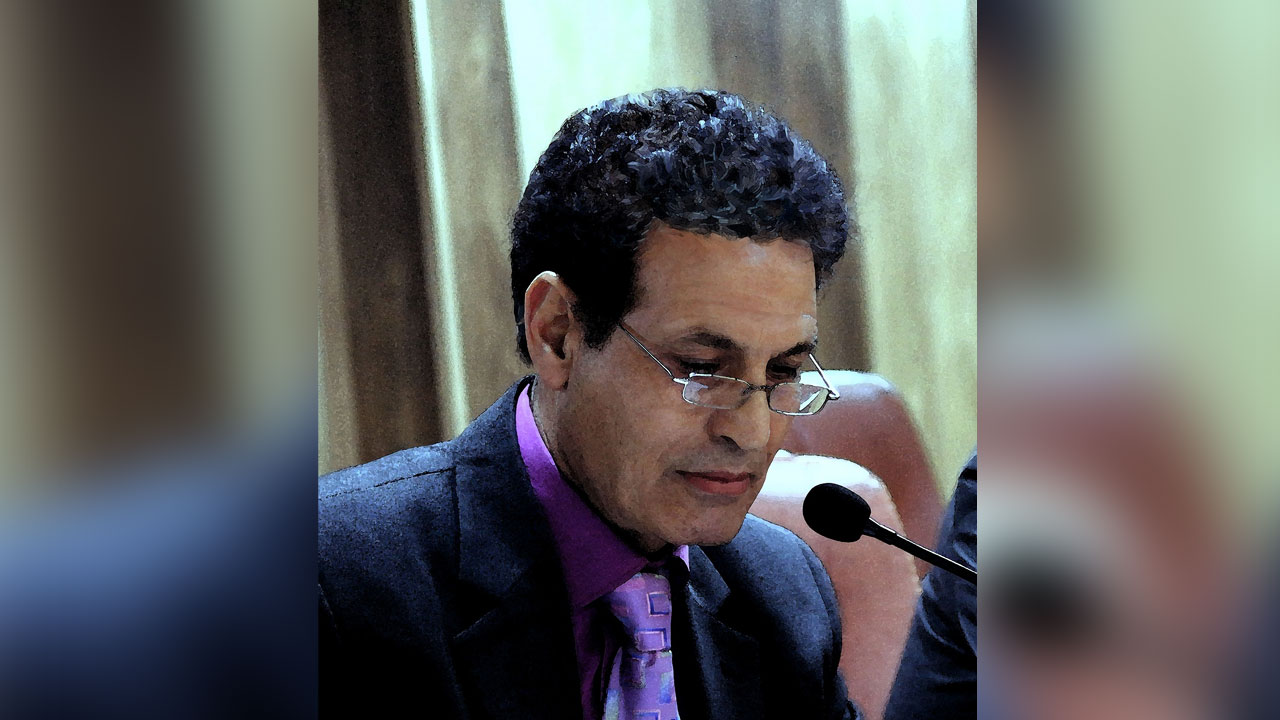
Ali Sheikho Brazi
The Kurds played a significant role in spreading Islamic teachings from the time they embraced Islam, and this role continued clearly throughout all eras. Kurds were exemplary in their society across various fields of knowledge, which is a source of pride for the Kurdish people who produced some of the finest scholars in all scientific and intellectual disciplines.
Sheikh Khalid al-Naqshbandi is Khalid ibn Ahmad ibn Hussein al-Naqshbandi, the Kurdish al-Shahrazuri. He belonged to the Kurdish Jaf tribe. He was born in 1779 in the Qaradagh district, where he studied under his father and other scholars. He later moved to Sulaymaniyah to study under prominent scholars there and resided in the school of Sheikh Abdul Karim al-Barzanji, located in the Abdul Rahman Pasha al-Baban Mosque.
He continued his scholarly studies with many sheikhs, among them Sheikh Abdul Rahim al-Barzanji, the brother of Sheikh Abdul Karim al-Barzanji, in his school in Sulaymaniyah. He then traveled to Koya and Harir, where he studied under leading scholars. There, he studied “al-Jalal ‘ala Tahdhib al-Mantiq” along with its commentaries under the distinguished and erudite scholar Mulla Abdul Rahim al-Ziyari, known as Mulla Zada. He then returned to Sulaymaniyah, where he stayed for a short period studying philosophy and theology under its scholars. After that, he traveled to Baghdad, where he studied the principles of jurisprudence under some of its scholars. In 1798, he traveled to Persia and settled in Sanandaj (Sineh) in Iranian Kurdistan.
He studied both rational and transmitted sciences under Sheikh Muhammad Qasim al-Mardukhi, then returned to Sulaymaniyah and worked in teaching for approximately six years. In 1805, he set out for the Hijaz to perform the Hajj pilgrimage, taking the route: Mosul – Diyarbakir – Aleppo – al-Sham – Palestine.
After returning from Hajj, in 1807 Mawlana Khalid headed to India accompanied by Mirza Rahim Allah Beg, one of the deputies of Shah Abdullah al-Dehlawi al-Naqshbandi. He traveled along the route: Tehran – Khorasan – Nishapur – Kabul – Kandahar – Lahore. Upon arriving in Delhi, he met Shah Abdullah al-Dehlawi and stayed with him for a full year, during which he received the Naqshbandi order from him. He then returned to Sulaymaniyah by sea, arriving in Muscat, the capital of Oman, from where he entered Persia and eventually reached Sulaymaniyah around 1811. He was warmly received by the notables of Sulaymaniyah, its scholars, and the general public. After a brief rest, he headed to Baghdad, where he stayed in the Qadiriyya lodge for five months before returning to the city of Sulaymaniyah.
In the second phase of his life, al-Naqshbandi faced many harassments and accusations, which eventually forced him to leave Sulaymaniyah, as the conditions of the Baban Emirate were very poor at the time. In 1820, he traveled to Baghdad and stayed in the Khalidi lodge. Upon his arrival, he sent his deputy, Sheikh Ahmad al-Arbili, to Damascus to prepare for his relocation there. Sheikh Ahmad carried out his mission successfully, spreading the Naqshbandi order in Damascus and its surroundings. The people of al-Sham greatly admired Mawlana Khalid, which prompted them to correspond with him and request his presence. He was pleased with their request and soon accepted it, moving with his family, followers, and entourage to Damascus in 1822.

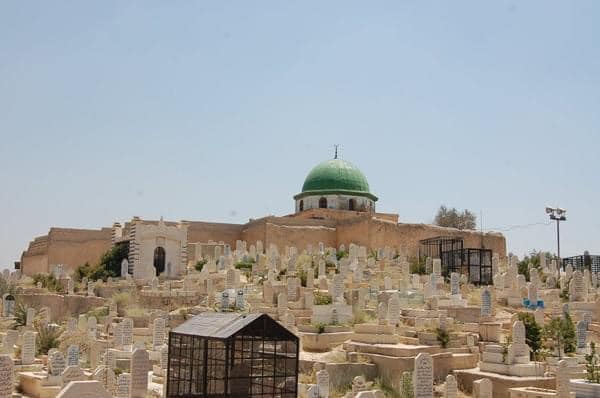
In Damascus, many scholars and students gathered around him. Mawlana Khalid devoted himself to teaching them various sciences and disciplines, and they admired his method and his good conduct with people in the Damascene society. He remained in Damascus until his death in 1827 and was buried on the slopes of Mount Qasioun.
Read the Arabic version: Click here