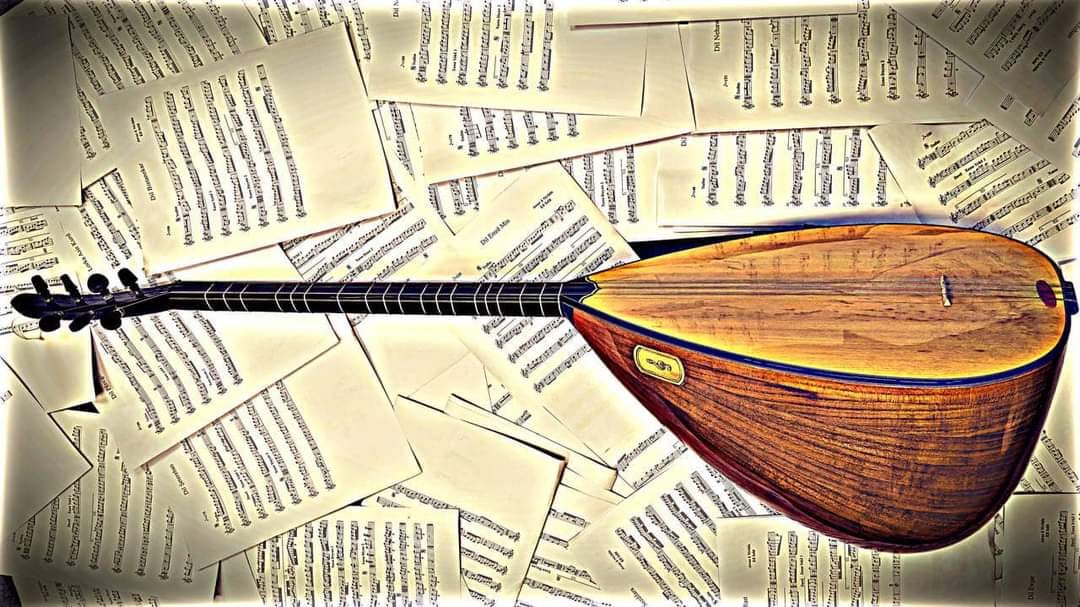
A musicology specialist indicates that dominant nations in the region—capitalizing on political circumstances and the absence of an independent Kurdish entity—have appropriated Kurdish melodies and musical culture. He stated: “Azerbaijanis and Turks originally possess the pentatonic scale; they seized Kurdish melodies and attributed them to themselves.”
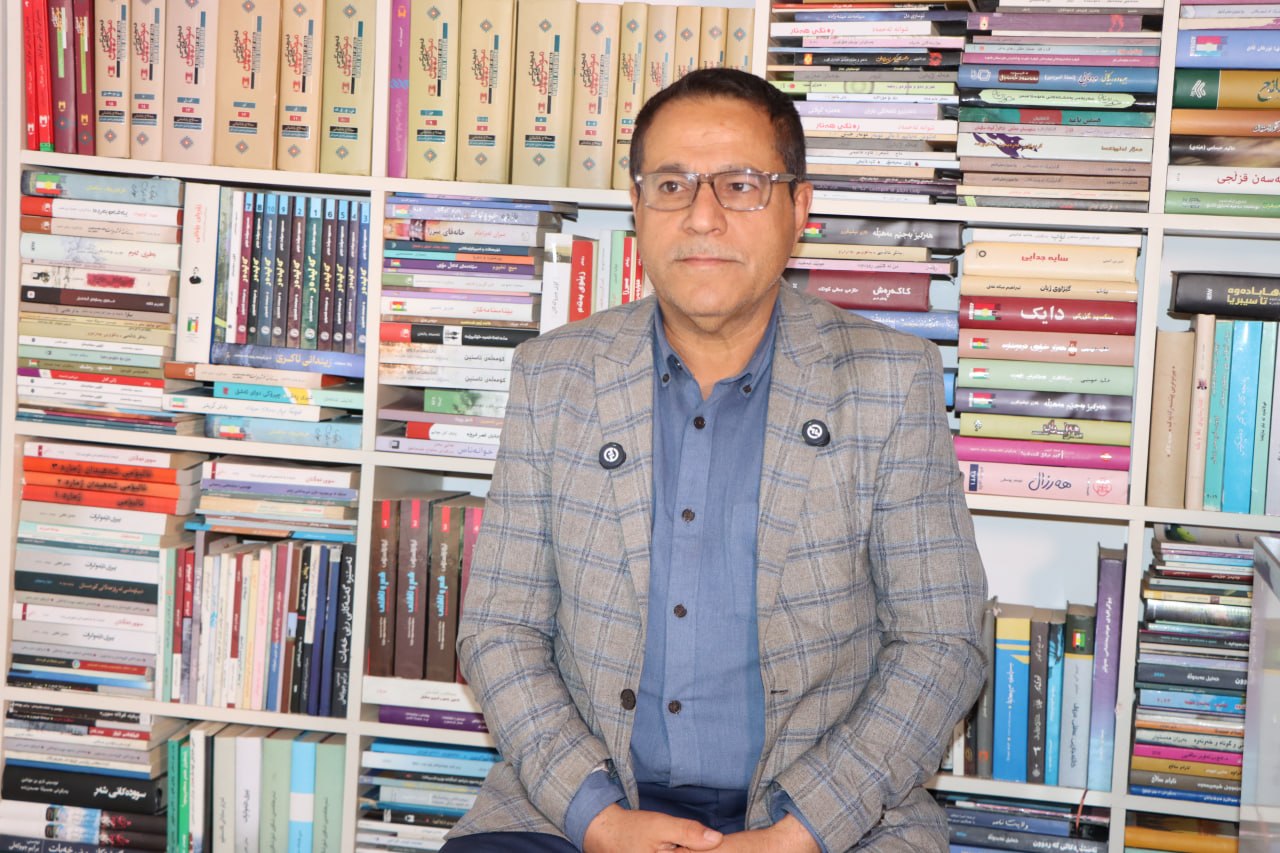
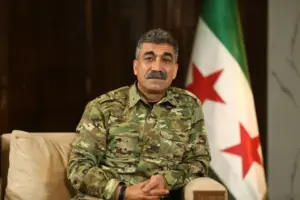
Culture and art are fundamental pillars of any society, and their protection is a collective responsibility. Although occupying powers have sought to suppress this culture since the partition of Kurdistan, the efforts of researchers have helped preserve portions of it. In this context, Sarkawt Burhan, a holder of a Master’s degree in Musicology, spoke to Roj News.
Plunder via Foreign Companies
Sarkawt Burhan explains: “Over the last hundred years, dominant nations such as the Turks, Arabs, and Persians—leveraging their status as established states—were able to attract companies like Zonophone and Polyphon to their capitals to record Kurdish music under their own names.”
He added, “This is not evidence of their cultural richness. We are a nation divided into four parts and lacked a supporting body to introduce our culture. Therefore, we must return to original forms to prove authenticity.”
The Hawra… An Identity Spanning Millennia
The specialist points to authentic forms such as Hawra, Siya Chemane, Hayran, Qatar, and Beyt. He notes: “Researchers and orientalists agree that Hawra dates back approximately four thousand years, with roots in the Hurrian era. Traces of Mithraism can also be observed in musical texts like the Beyt of ‘Sheikh Mand and Sheikh Rash,’ which belongs to one of the oldest religions of the Zagros Mountains residents, confirming that our music is deeply rooted in history.”
Scientific Differences: Kurdish vs. Azerbaijani Music
From a scientific and academic perspective, Burhan clarifies:
“Kurds utilize the diatonic scale (eight notes), whereas the regions from which Azerbaijanis and Turks originated (Central Asia) relied on the pentatonic scale. Consequently, they cannot be the originators of the Maqams and structures upon which Kurdish melodies are built. Much of what Azerbaijanis and Turks possess today is adapted from or influenced by Kurdish and Greek music.”
Kurdistan: The Cradle of Instruments and Musical Notation
Regarding the antiquity of musical instruments, he references the writings of Xenophon, who visited the land of the Carduchians (Kurdistan) with the Greek army. Burhan states: “Xenophon describes how the Kurds broke the morale of a large army using drums and flutes from the mountaintops. Furthermore, the oldest musical notation discovered on a clay tablet—referencing a Hurrian deity—was found in Kurdistan, serving as evidence of Kurdish pioneering in the field of music.”
The Role of Specialists in Protecting Authenticity
Sarkawt Burhan emphasizes that confronting this marginalization cannot be achieved through theory alone. Instead, there must be scientific efforts to document Maqams, melodies, poems, and authentic performance styles, such as the works of Hassan Zirak.
He concluded: “We are a very rich people. As Professor Amin Hassanpour notes, Kurds alone possess more than 200 types of ‘Beyt’, a diversity other nations lack. Therefore, we must preserve our musical authenticity and identity through our heritage and folklore.”