In the heart of Erbil, where ancient tales embrace the rhythm of modern life, cultural identity stands tall, like a root that cannot be uprooted. It is a city that has lived for thousands of years, and to this day, it preserves its soul despite all the transformations it has undergone.
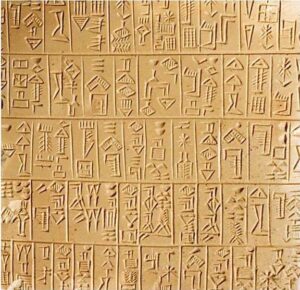
Upon ascending the Erbil Citadel, a visitor feels as though they are walking over layers of history. The stones of the Citadel are not merely a structure, but a living memory telling the stories of successive peoples who inhabited this land, from ancient civilizations to the present day. This landmark, inscribed on the UNESCO World Heritage List, serves as a symbol of cultural identity’s resilience against the passage of time.
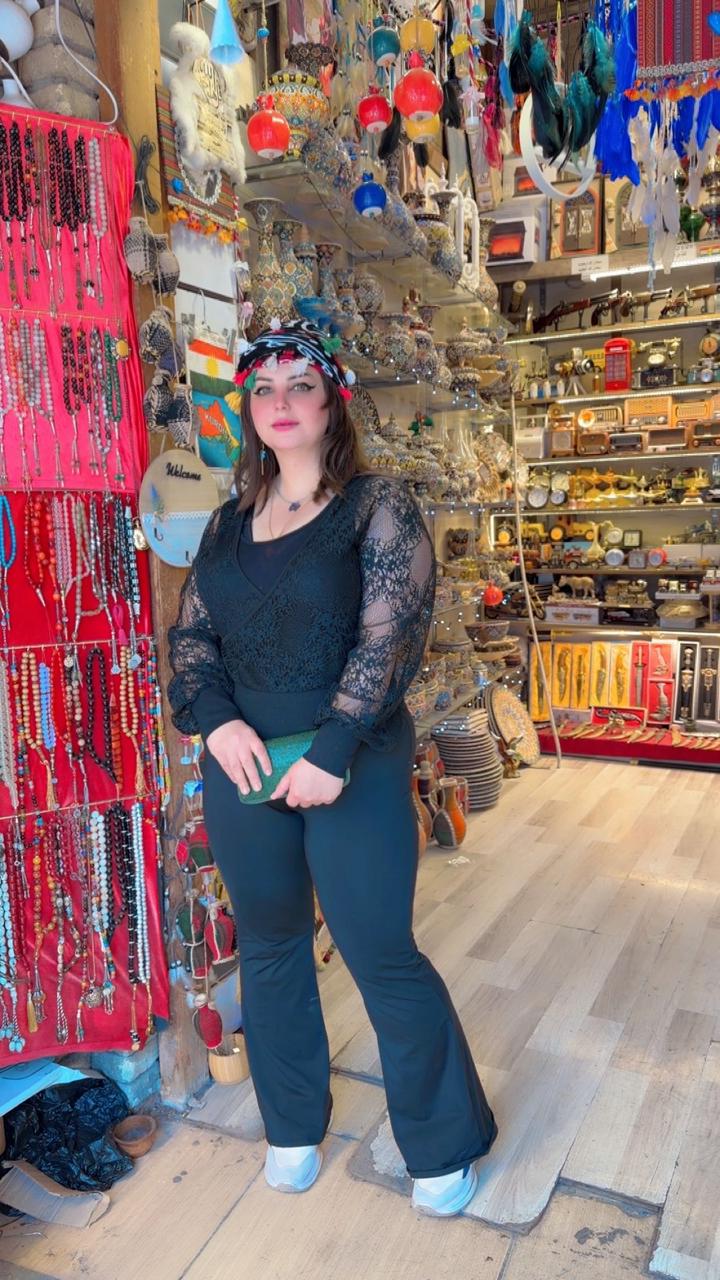
In the old markets, particularly the Qaysari Bazaar, life pulses with a different energy. The voices of vendors, the scent of spices, and the embroidered Kurdish fabrics are all elements that embody the features of a culture that has never lost its luster. There, handicrafts are still practiced just as they were decades ago, and creativity is passed down from one generation to the next in a scene that epitomizes the continuity of heritage.
The cultural identity in Erbil is not confined to places; it extends to the people themselves. Kurdish customs and traditions remain strongly present in the details of daily life, from social occasions to the traditional costumes that appear during holidays like Nowruz. During these times, the city transforms into a canvas of color and joy, expressing a sense of belonging and authenticity.
Despite the manifestations of modernity that have swept through the city—from towering skyscrapers to modern shopping malls—Erbil has succeeded in creating a unique balance between the past and the present. Development has not erased identity; rather, it has reintroduced it in a contemporary style befitting a city that strives for the future without forgetting its roots.
However, this balance is not without challenges. Globalization and rapid changes may threaten certain aspects of heritage, especially among the younger generations. Here, the role of cultural and educational institutions becomes vital in consolidating identity by supporting the arts, reviving heritage, and promoting awareness of the importance of its preservation.
Ultimately, Erbil remains a living example of a city that has managed to safeguard its soul despite everything. It is an identity that cannot be summarized by a single landmark or occasion; rather, it dwells in the consciousness of its people and pulses through its streets, confirming that true heritage does not fade… but is renewed with every generation.