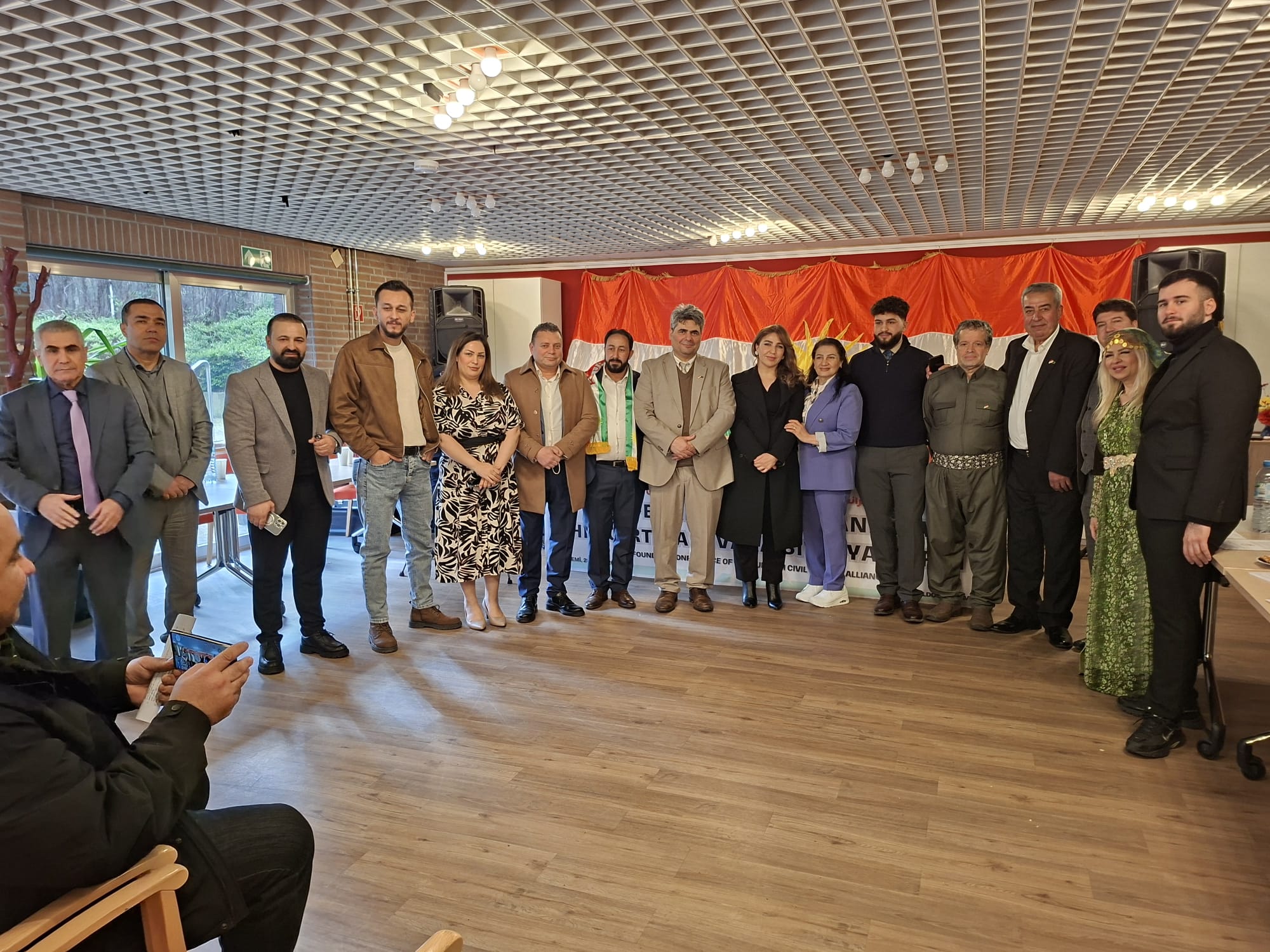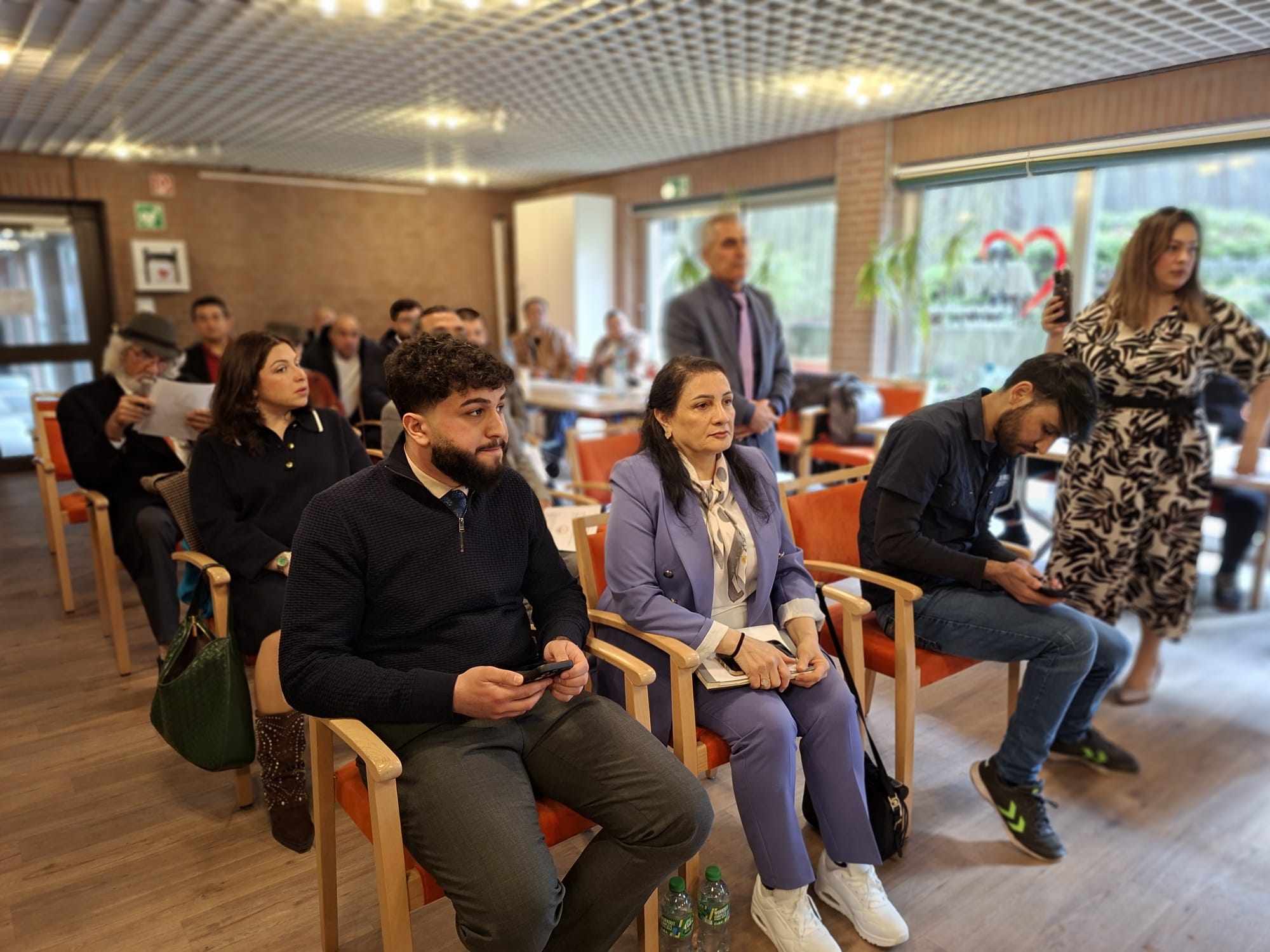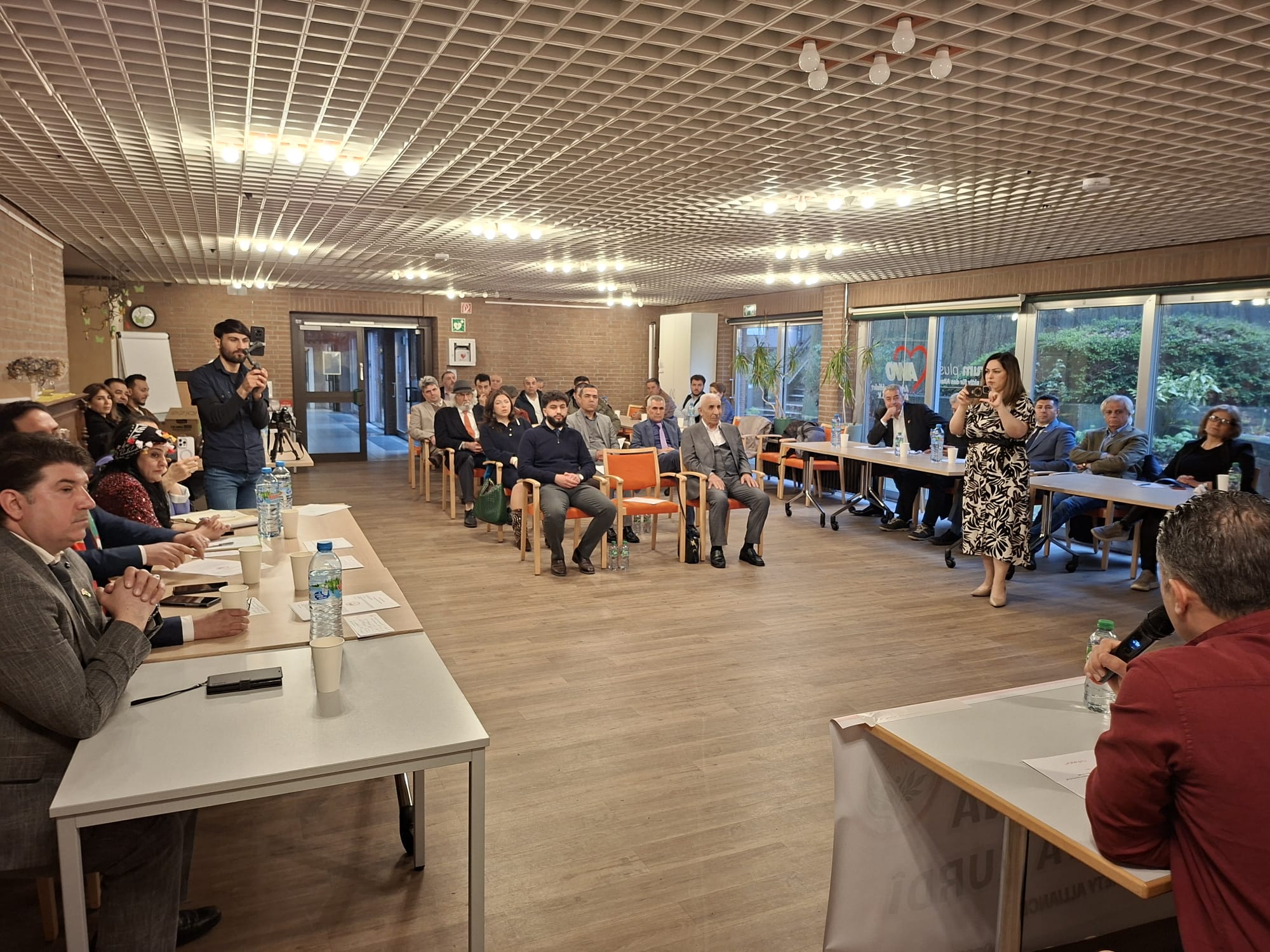
The founding conference of the Kurdish Civil Society Alliance concluded its proceedings in the German city of Düsseldorf after a day of responsible dialogue and discussions. The event brought together representatives from dozens of Kurdish civil organizations, associations, and institutions, alongside representatives from several Kurdish political parties and social, cultural, and academic figures from the Kurdish diaspora in Europe.
This gathering marked a significant milestone in the path of organizing and developing Kurdish civil work abroad. It reflected a collective will among the participating institutions to transition toward a new phase of organized institutional work based on cooperation and integration.
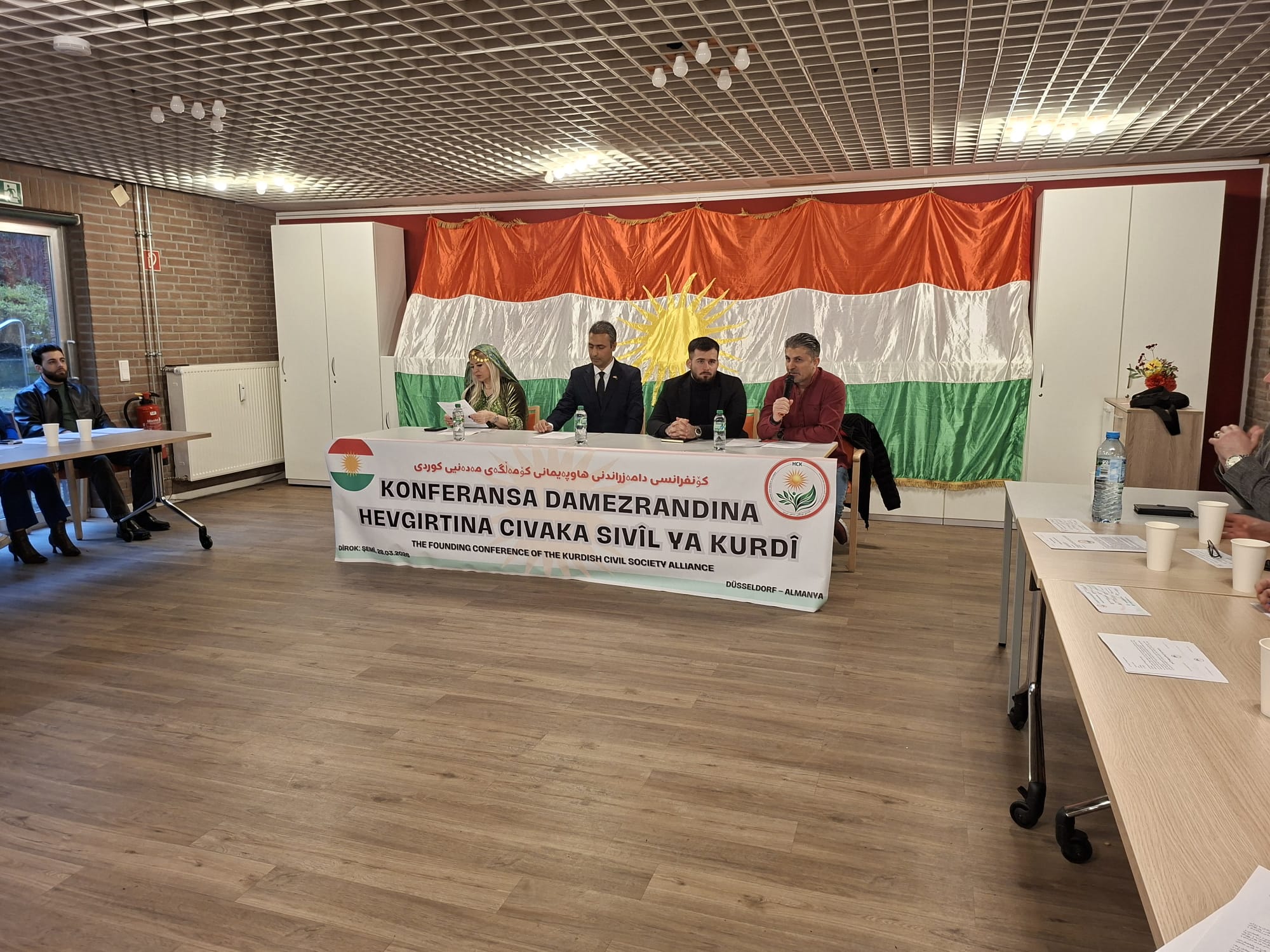
The convening of this conference was the culmination of a series of meetings and consultations held between Kurdish organizations and associations across several European countries, Russia, and Rojava. A complete consensus was reached on the necessity of establishing an inclusive civil framework to unite these organizations and activities, coordinate communal efforts, and unify civil initiatives within a shared vision that serves the Kurdish community and supports its causes. Participants emphasized that the establishment of this alliance represents a strategic step toward strengthening the presence of Kurdish civil society in Europe and developing its role in social, cultural, and humanitarian fields.
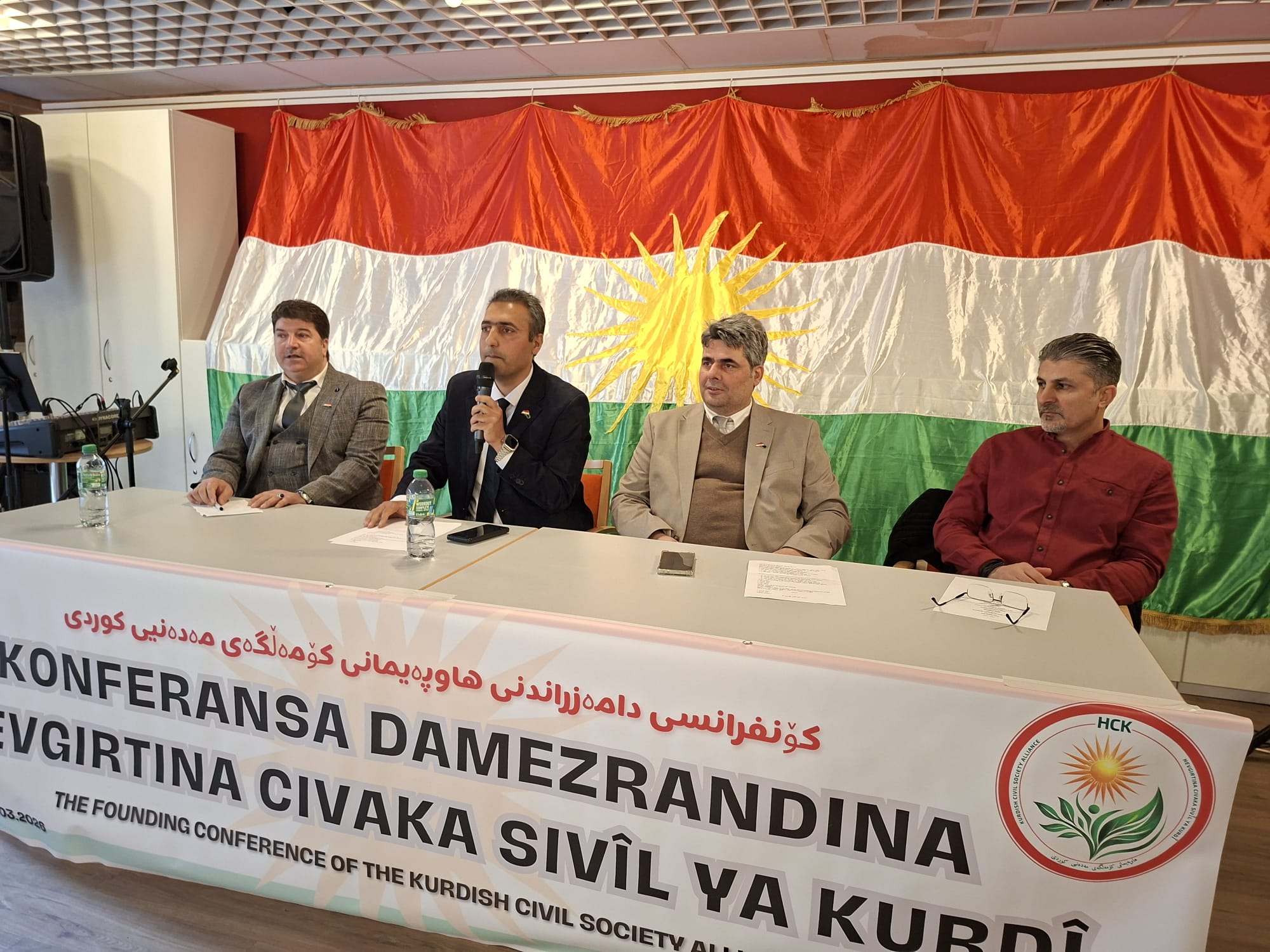
The conference proceedings began with a minute of silence in honor of the martyrs of the Kurds and Kurdistan, followed by the Kurdish national anthem, “Ey Reqîb”—a scene expressing loyalty to the sacrifices of the Kurdish people and their historical struggle for freedom and dignity. The opening session featured speeches addressing the importance of civil work and its role in organizing community energy and developing societal initiatives, while stressing the importance of cooperation among Kurdish institutions in the diaspora within an organized institutional framework.
During the sessions, participants discussed several issues related to the development of Kurdish civil work in Europe. There was an emphasis on building a long-term strategic vision based on the principles of democratic civil work, enhancing the capacity of Kurdish institutions for joint action, exchanging expertise, and developing shared community programs. Furthermore, participants stressed the importance of expanding the scope of cooperation among Kurdish organizations across various European countries to help unify community initiatives and improve coordination mechanisms and collective action.
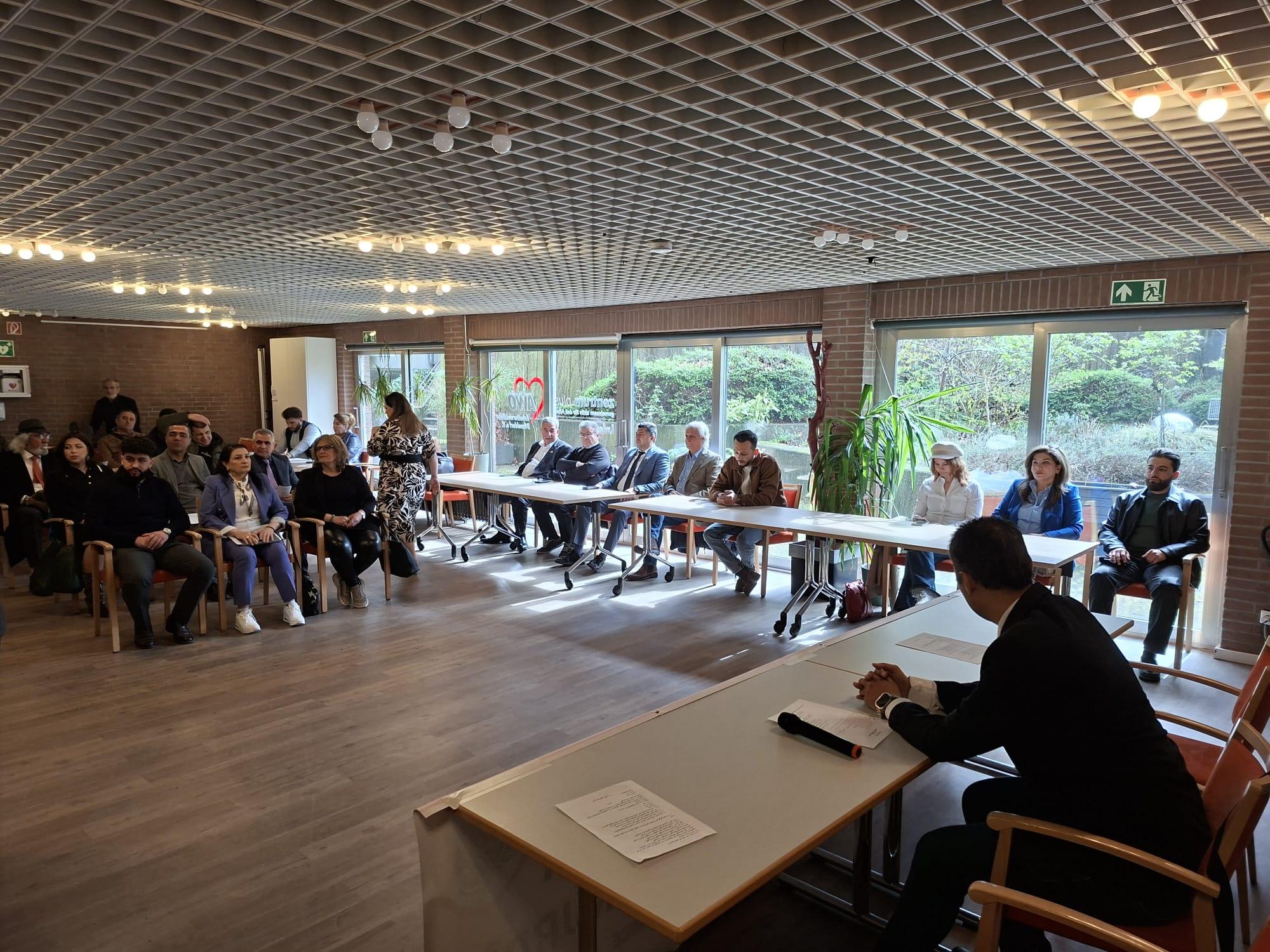
Participants affirmed that the Kurdish Civil Society Alliance serves as an inclusive institutional platform aimed at supporting community, cultural, and educational initiatives. It seeks to bolster the presence of Kurdish institutions within the European civil space and build bridges of communication and cooperation with European civil society organizations and various cultural and academic entities. Through this, the alliance aims to present an advanced civil model that reflects the democratic and humanitarian values of the Kurdish community and enhances its positive presence in European societies.
The participants also highlighted the importance of supporting the roles of women and youth in civil work, considering them fundamental pillars for community development and the dynamism of civil institutions. They stressed the need to launch programs and initiatives aimed at empowering these groups and enhancing their participation in community, cultural, and organizational life. Additionally, they emphasized supporting cultural and educational initiatives that contribute to preserving the Kurdish language and culture among the new generations in the diaspora.
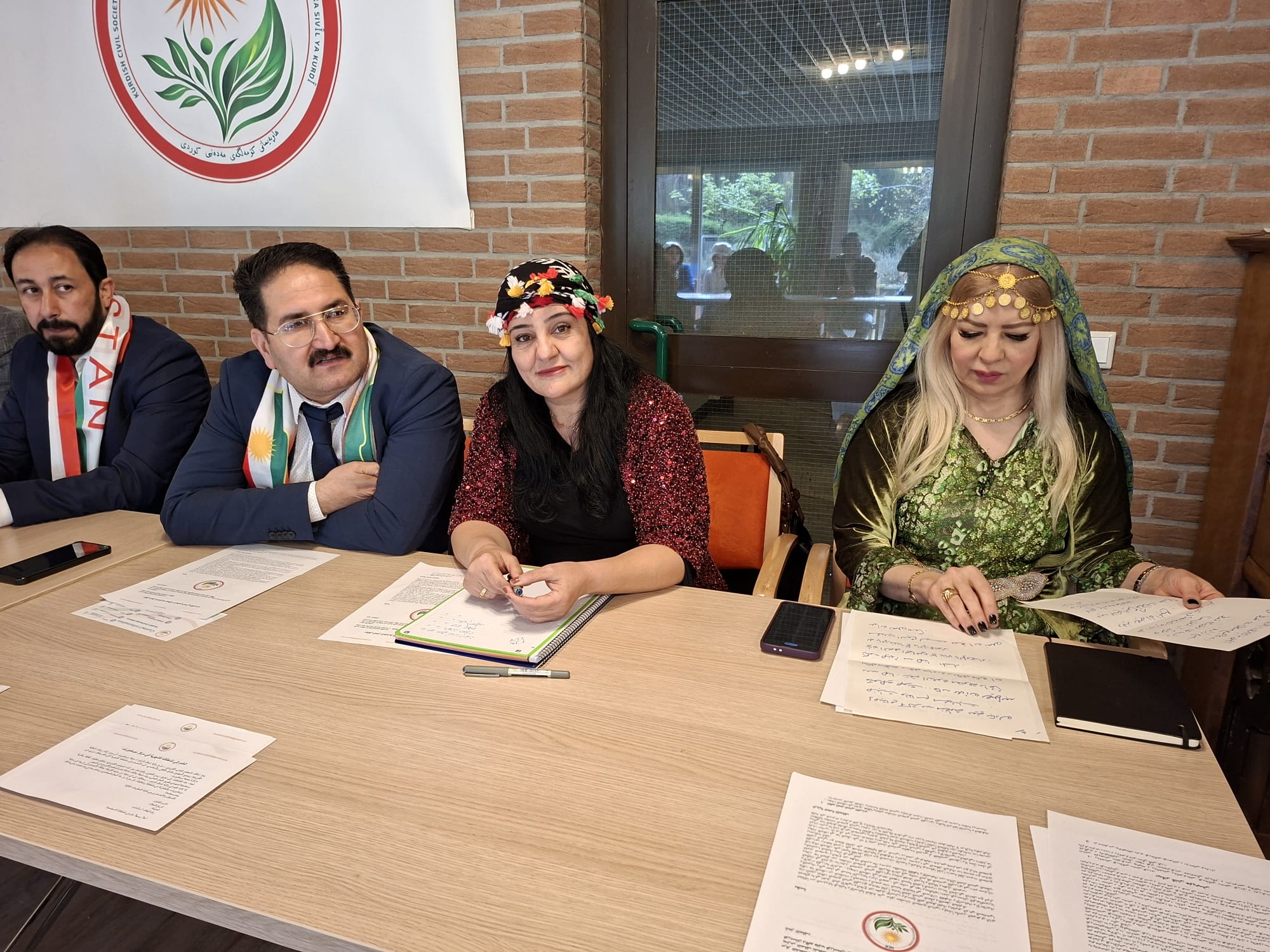
Signing the Accession Protocol
As part of the closing activities, representatives of the organizations and institutions joining the alliance signed the Joint Action Protocol. This symbolic step confirms their commitment to developing this civil framework and working together to achieve its goals. The conference concluded with an artistic segment that added a distinctive cultural atmosphere to the end of this important founding event.
Recommendations and Resolutions
Based on the discussions held, participants approved a set of recommendations forming a general framework for the alliance’s work in the coming phase. Primarily, these include working to strengthen coordination and cooperation among Kurdish organizations in Europe and expanding the alliance’s base by attracting more civil institutions.
Participants also recommended developing joint programs and projects in the fields of culture, education, and social work to serve the Kurdish community and strengthen social bonds. Emphasis was placed on supporting initiatives that promote the Kurdish language and culture and ensuring this cultural heritage is passed down to new generations.
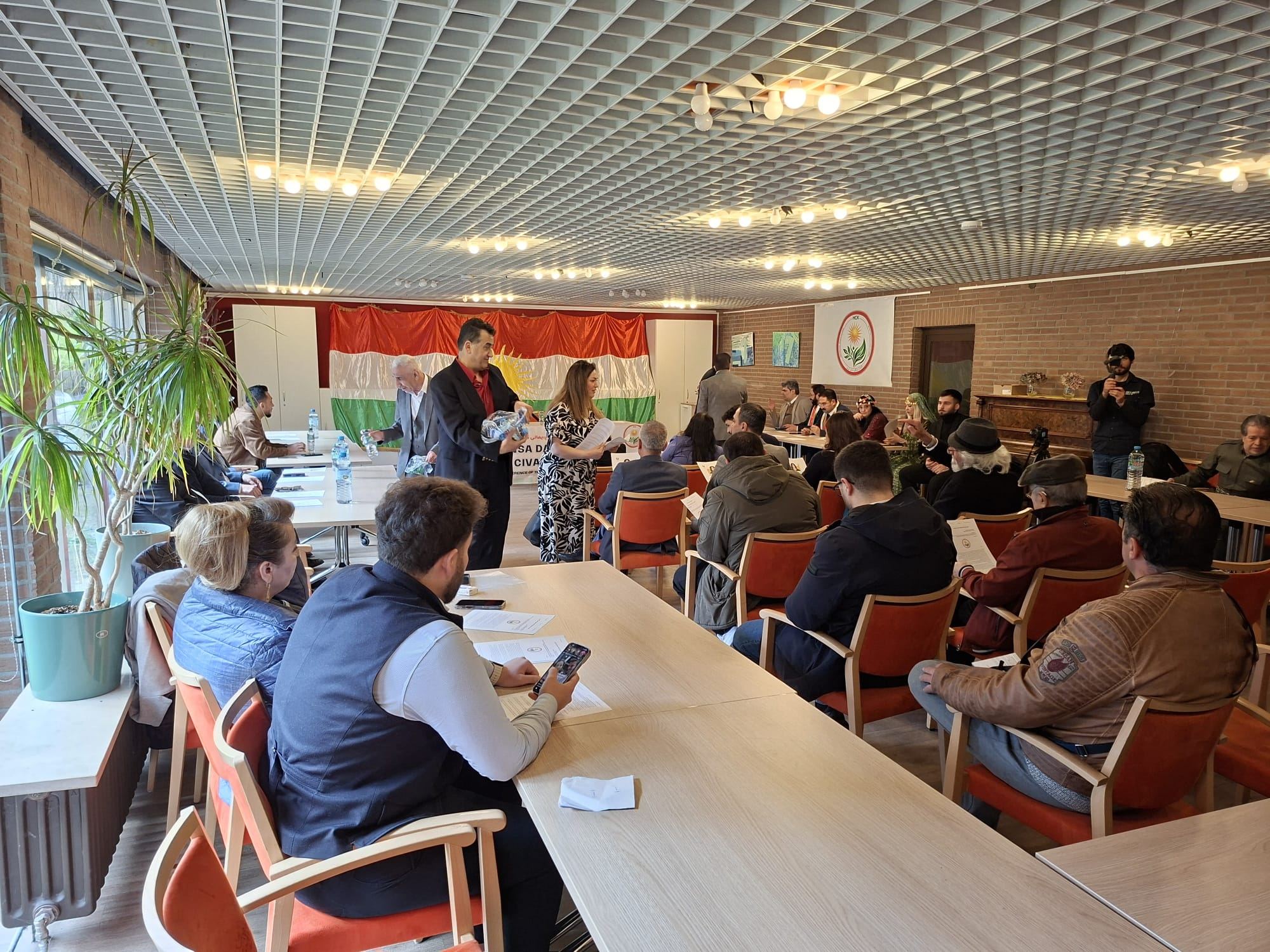
The attendees called for strengthening relations and building effective partnerships with European civil society organizations to enhance the presence of Kurdish institutions in the European civil sphere and introduce the Kurdish cause within a framework of dialogue, cooperation, and partnership. Furthermore, the conference emphasized the importance of developing joint media mechanisms among Kurdish institutions and creating civil media platforms capable of conveying the activities of Kurdish civil society and increasing its influence in the public sphere.
Acknowledgment of Guests
At the conclusion of the proceedings, the Preparatory Committee expressed its sincere gratitude to all guests and participants who contributed to the success of this significant civil event. Foremost among them were representatives of Kurdish political parties, including representatives from the Patriotic Union of Kurdistan (PUK), the Gorran Movement, and the Kurdistan Yekiti Party – Syria. Their attendance underscored the importance of supporting Kurdish civil initiatives and fostering joint work to serve the Kurdish community.
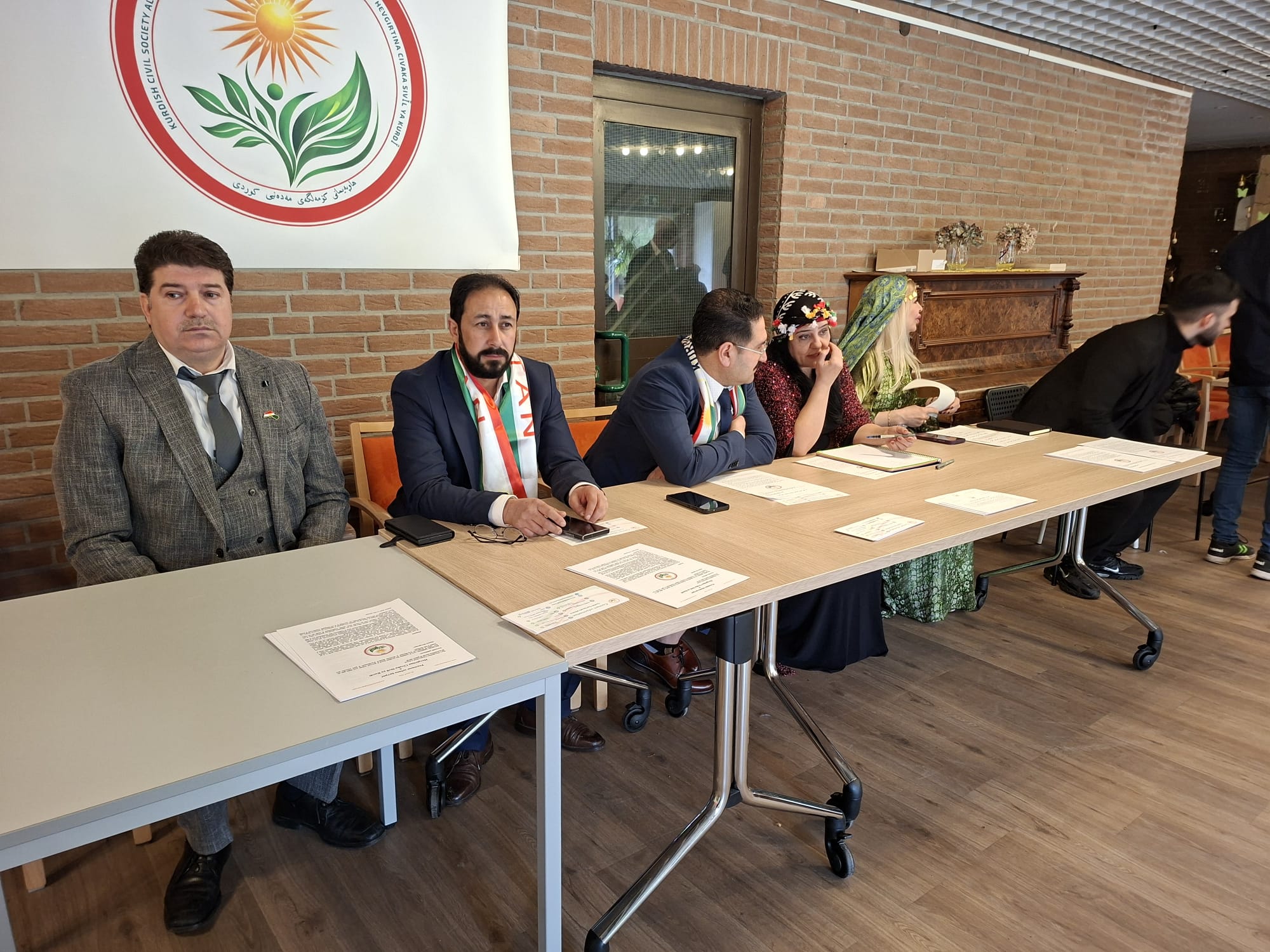
The committee also thanked several institutions and figures, including the Nava Association for Women’s Protection, the Ronak Association, and the Kurdish Lawyers Union, along with Ms. Amal Ahmed, a representative of the Caritas organization from Austria, and Mr. Joudi Hamou, a member of the Dutch Parliament, who participated in the conference activities.
Furthermore, the Preparatory Committee expressed its appreciation for the participation of a large number of Kurdish poets, intellectuals, and linguists whose presence and contributions enriched the discussions and added a cultural and intellectual dimension to the conference, reaffirming the vital role of the cultural elite in supporting the journey of Kurdish civil society.
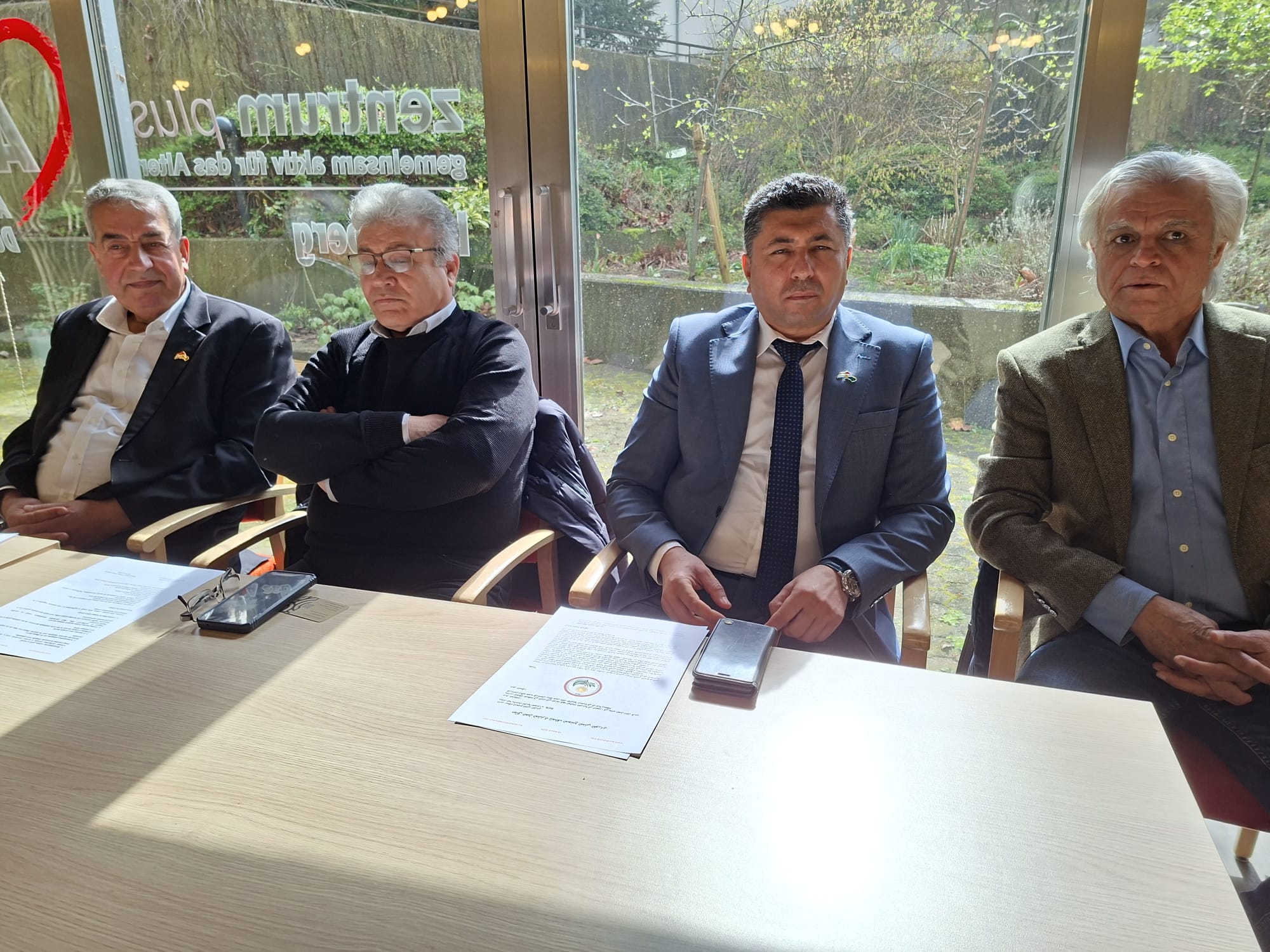
In this context, the Preparatory Committee clarified that it had extended an open invitation to various Kurdish parties and their affiliated media outlets to participate and cover the event, stemming from a belief in the importance of partnership between civil work and political/media institutions in supporting community initiatives.
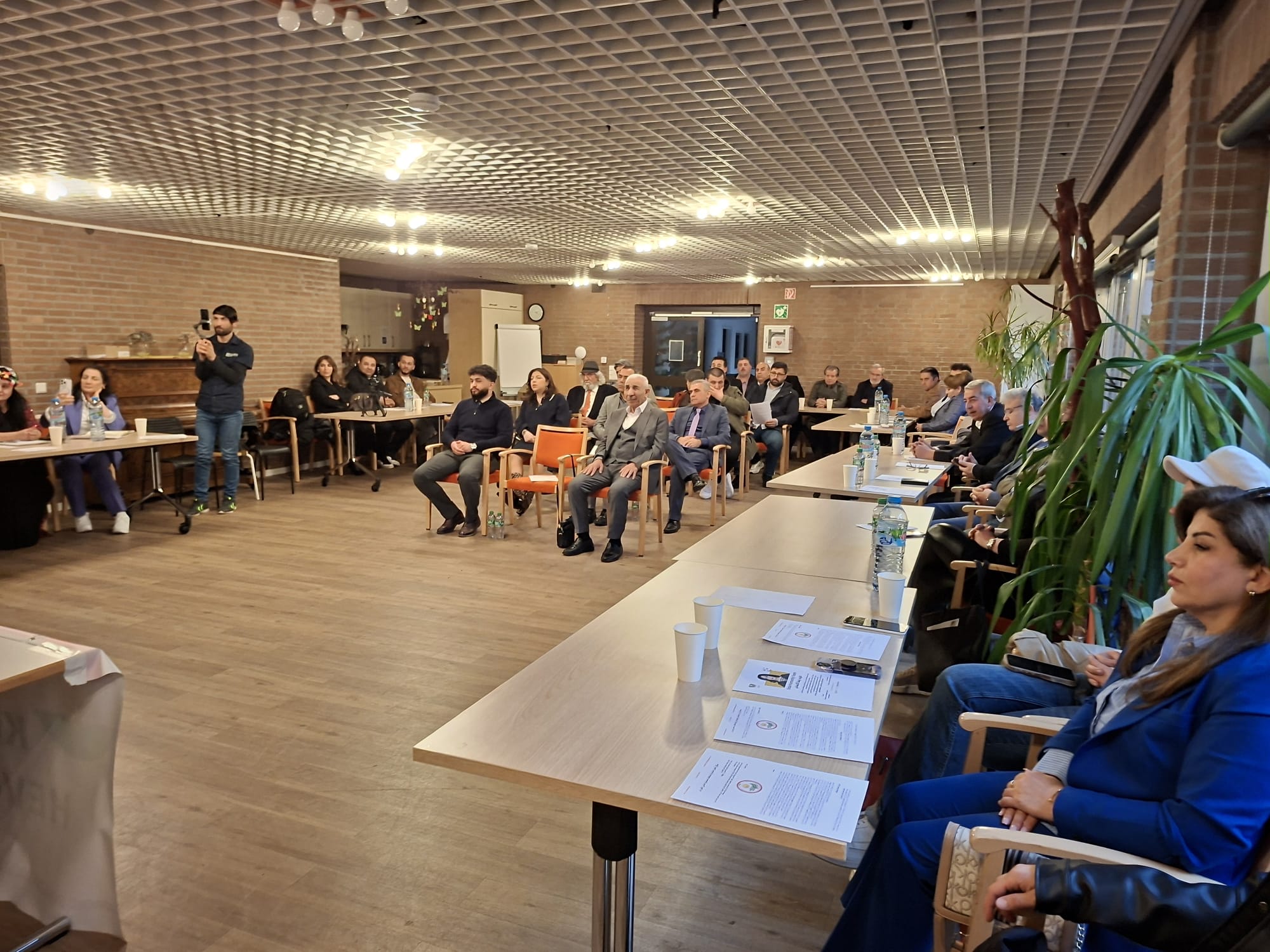
In conclusion, the statement affirmed that this broad and diverse attendance reflects the level of interest in Kurdish civil work in Europe. It raises hopes that the Kurdish Civil Society Alliance will serve as a unifying framework that contributes to developing community and cultural work. The conference ended with an emphasis on the need to transform the outcomes of this founding meeting into realistic action plans, activating the alliance’s organizational structures and developing its strategic plans to ensure the continuity of joint efforts in serving the Kurdish community and its causes.
Düsseldorf, Germany – March 29, 2026
The Executive Council of the Kurdish Civil Society Alliance