The commander of the Syrian Democratic Forces (SDF), Mazloum Abdi, has decided not to assume any official position in the Syrian government despite being offered several posts, Ilham Ahmed, Co-Chair of the Department of Foreign Relations in the Autonomous Administration of North and East Syria, confirmed in an interview with Al Jazeera Mubasher from Munich.
Speaking to Al Jazeera Mubasher, Ahmed said that Abdi had affirmed he would not take up any government positions, noting that he had made a final decision on the matter. Her remarks come as efforts continue to integrate SDF institutions into Syrian state structures, particularly within the military framework.
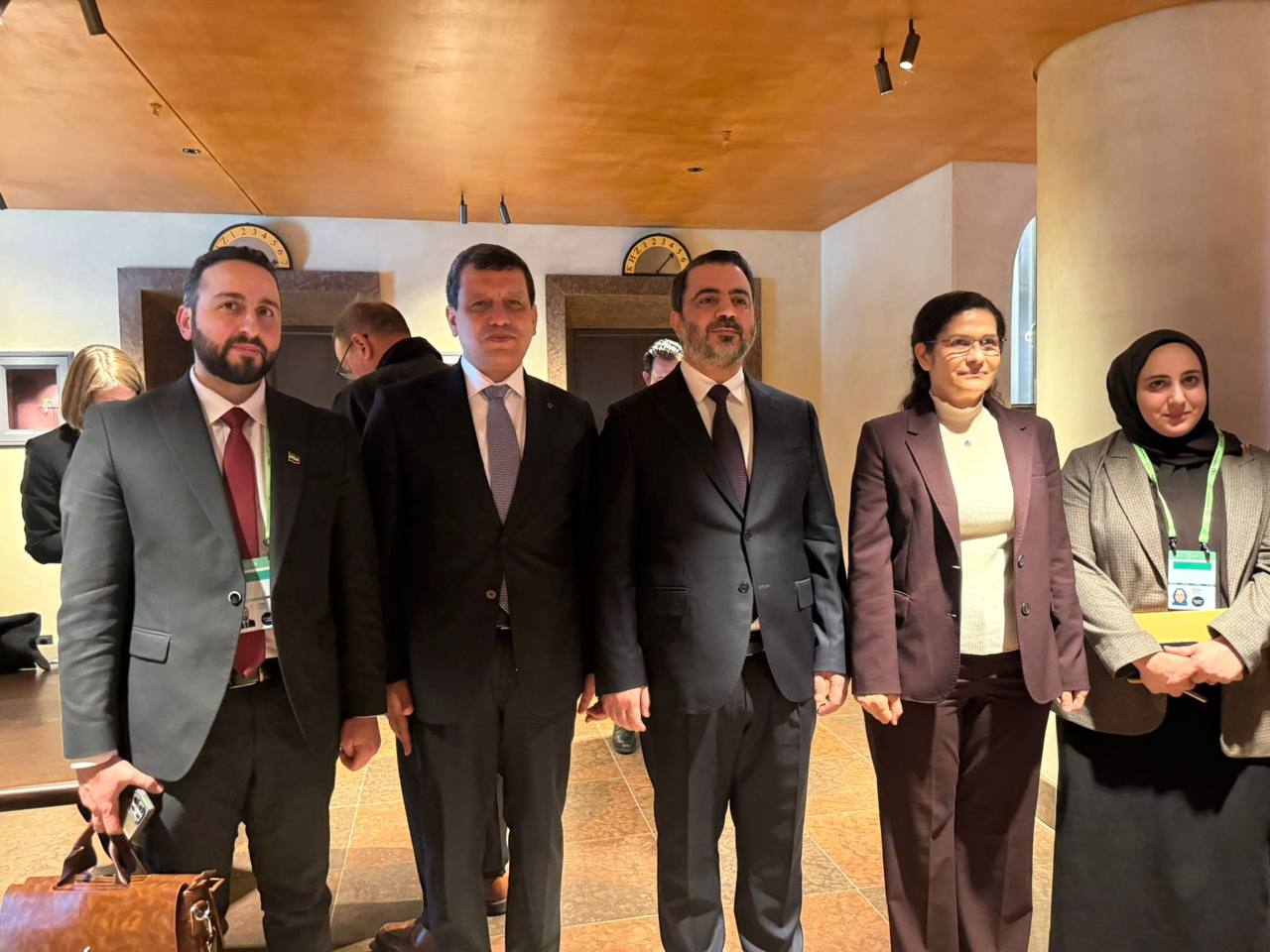
Ahmed’s statements followed her participation—alongside Abdi and Syrian Foreign Minister Asaad al-Shibani—in a meeting with U.S. Secretary of State Marco Rubio on the sidelines of the Munich Security Conference.
She confirmed that the meeting focused primarily on developments in the Syrian file, especially the process of integrating the SDF into the Syrian army, in addition to merging administrative and service institutions.
Ahmed described the level of international interest in the integration process as “very high,” noting that the joint delegation—comprising representatives of both the Syrian government and the SDF—reflected Syrian consensus that was welcomed and encouraged by the U.S. side.
She added that Washington had expressed readiness to closely follow the integration process and assist in overcoming any obstacles that might arise, whether military or security-related, as well as support the subsequent phase concerning the drafting of a new constitution.
Integration Has Begun
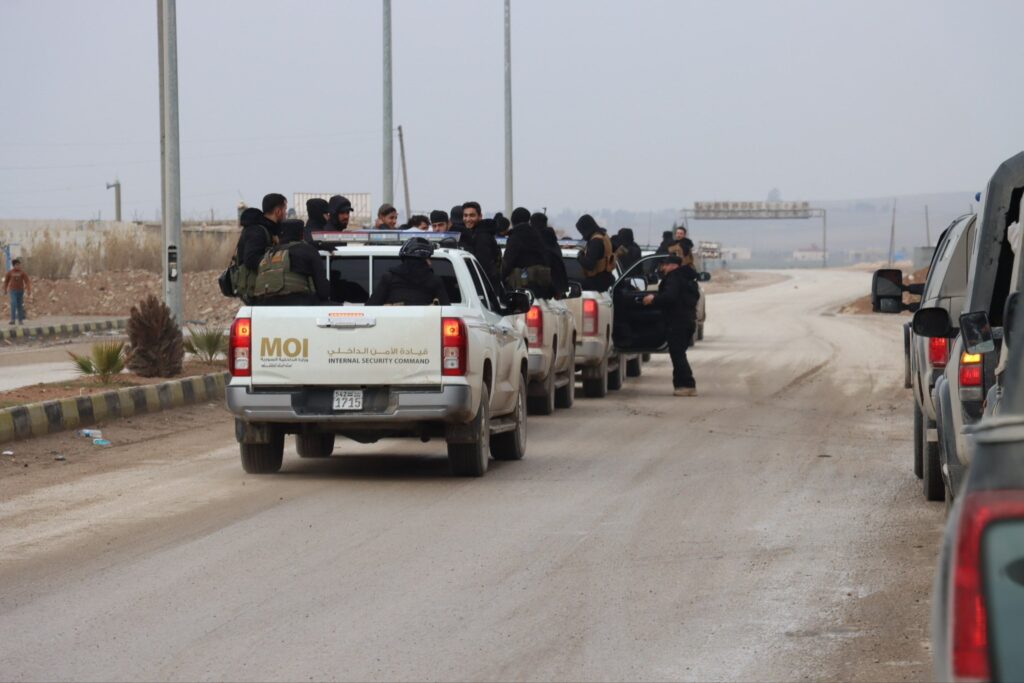
On field developments, Ahmed revealed that the military integration process has already begun. In Hasakah province, forces from both sides have been withdrawn from frontlines and repositioned at agreed locations in preparation for incorporation into new military structures.
She stated that the current agreement stipulates the integration of forces into three brigades in Hasakah and one brigade in Kobani, with these formations to fall under the Syrian Ministry of Defense.
Ahmed indicated that the final designation of the units remains subject to discussions with the Ministry of Defense. She confirmed that the exchange of personnel data and information is ongoing as part of the integration mechanism. She also disclosed that the SDF has submitted candidates for the position of Deputy Minister of Defense, with discussions on the matter still underway.
Regarding the future of the Autonomous Administration, Ahmed clarified that the agreement does not explicitly stipulate the dissolution of its institutions. Instead, discussions are focused on reorganizing them within a decentralized framework inside the Syrian state, in a way that preserves their administrative and service roles.
She said service institutions would continue to provide services to residents of the region, but within a new civil and administrative integration mechanism currently under discussion. The aim, she stressed, is to maintain a form of decentralized relationship within a unified state.
Challenges and Incitement
Despite the positive atmosphere she described, Ahmed acknowledged the existence of challenges hindering implementation of the agreement, most notably what she characterized as inciting rhetoric aimed at fueling Kurdish-Arab tensions. She noted that some of this rhetoric originates from regional actors or media outlets adopting such an approach.
She emphasized that the continuation of the integration process requires a new mindset and societal encouragement, warning against being drawn into calls for discord that could obstruct the political track.
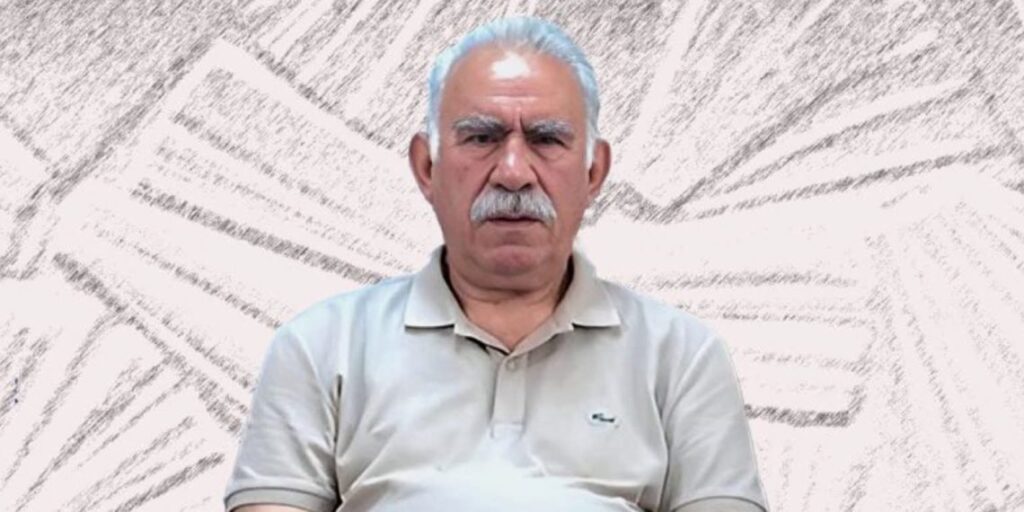
On the presence of leaders from the Kurdistan Workers’ Party (PKK) within SDF ranks, Ahmed said the matter remains under follow-up and discussion with relevant parties. She confirmed that tangible steps have already begun without elaborating, noting that the issue intersects with broader regional tracks.
Concerning relations with the United States, Ahmed said ties remain good, with ongoing communication and coordination, particularly regarding monitoring the integration process. She rejected claims of declining U.S. support, arguing that relations are not confined to a single institution but are based on a broader network of engagement.
Ahmed concluded by stressing that the Autonomous Administration aspires to genuine participation in shaping Syria’s future, including representation in the constitutional committee and various state institutions. She called on the Syrian government to treat the SDF as a key partner in building a new Syria founded on stability and political partnership.
Source: Al Jazeera Mubasher
Read the Arabic version: Click here