The predominantly Kurdish Kobani (Ayn al-Arab) region has witnessed dramatic military developments since mid-January 2026. These developments resulted in Syrian government forces and allied groups taking control of parts of its southern and southeastern countryside, following clashes with the Syrian Democratic Forces (SDF) and the conclusion of a truce and agreement between the two sides that have not yet been fully implemented. This coincided with the continuation of an unjust siege imposed by government forces on the area, threatening the lives of civilians amid severe shortages of food and medicine, and the disruption of electricity, water, and fuel supplies, under extremely cold weather conditions. At the same time, the Turkish government has refused to allow any humanitarian assistance to enter from its side of the border, despite UN appeals and international diplomatic efforts.
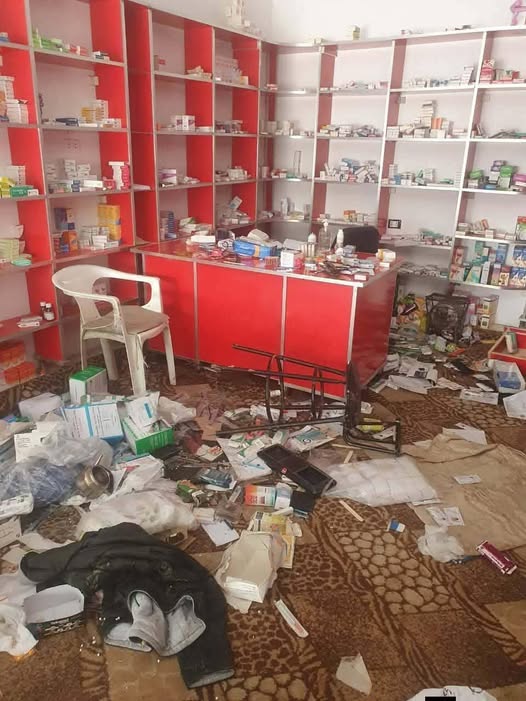
Amid these developments, residents of the southern and southeastern countryside of Kobani were displaced from their villages and towns due to government shelling and armed clashes. However, after hostilities subsided and some residents returned, they were shocked to find their properties looted as a result of systematic operations targeting the contents of homes, shops, vehicles, and their primary means of livelihood. These acts were accompanied by threats against members of families attempting to return, despite the existence of publicly announced understandings that were supposed to contribute to de-escalation and the stabilization of the area.
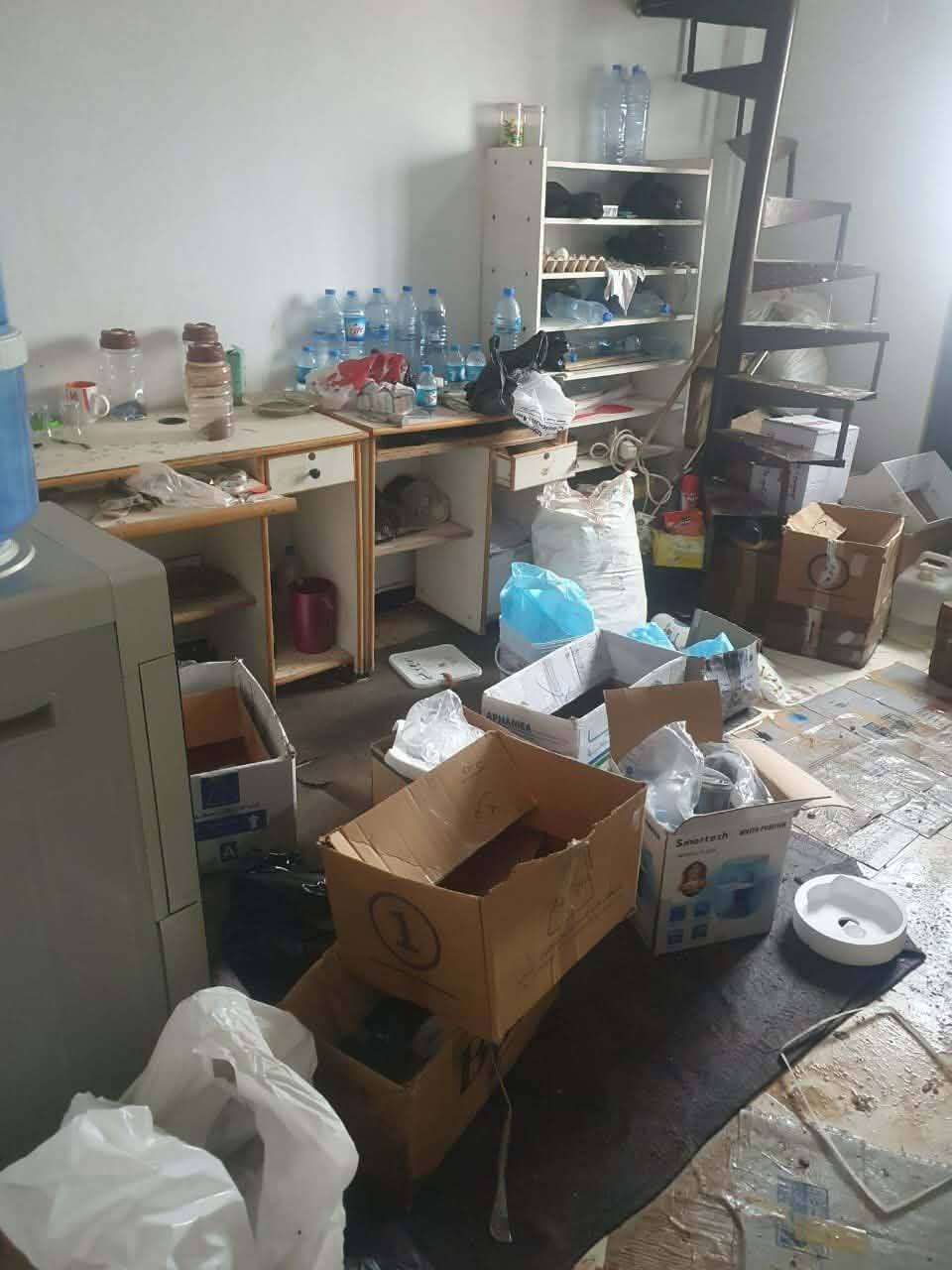
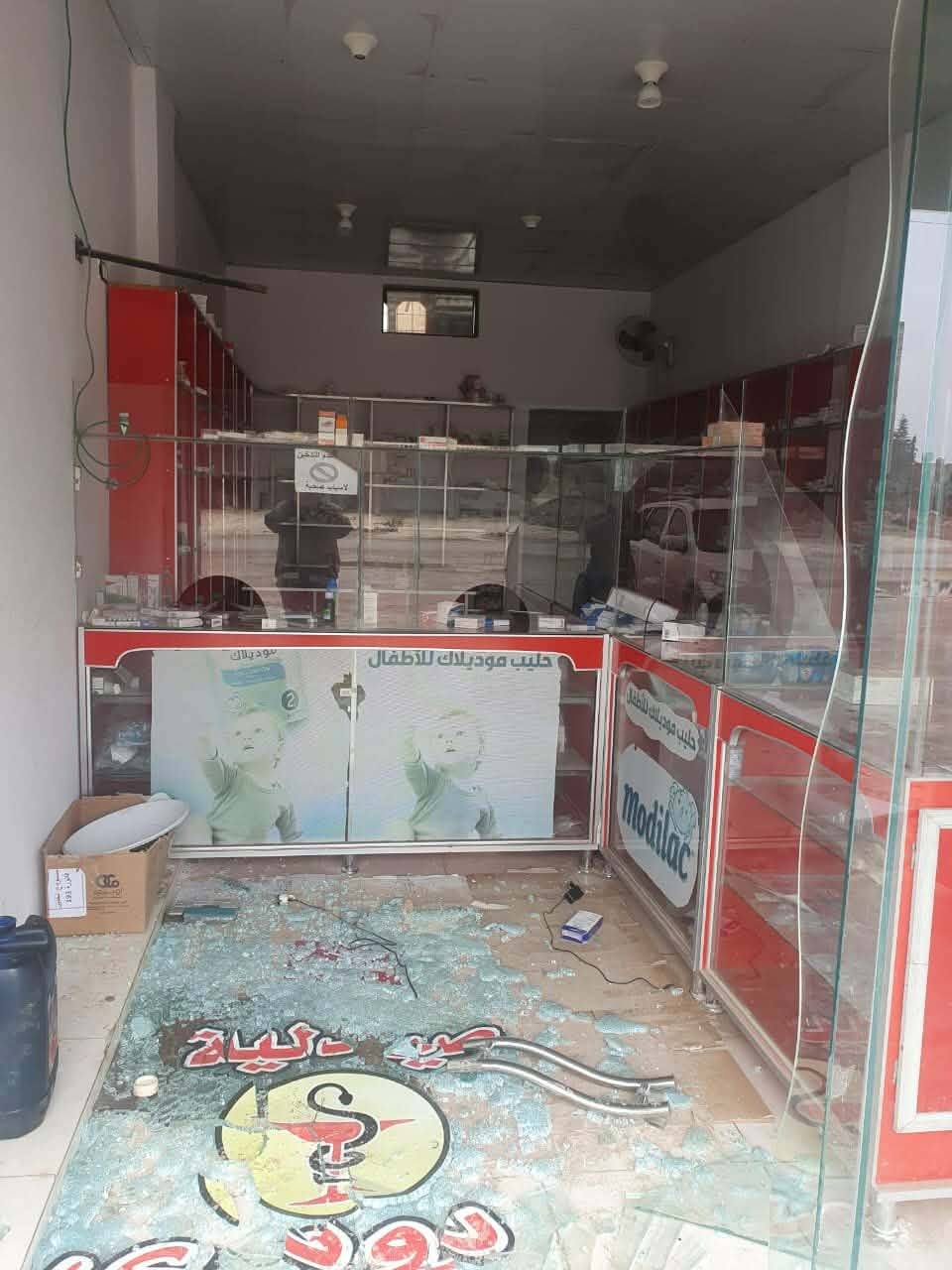
Field reports and firsthand testimonies documented a wave of comprehensive plunder of both movable and immovable civilian property, characterized by organized operations that went beyond isolated or opportunistic theft to assume a systematic and methodical pattern. The simultaneous targeting of Kurdish villages indicates a strategy aimed at stripping the local community of its productive and service-related assets, potentially rendering these villages uninhabitable for a prolonged period, resulting in massive financial losses and the forced impoverishment of residents.
According to testimonies received from our sources—most of whom refrained from publishing photos or using their real names for fear of reprisals—and from open sources, including some video testimonies published by their owners containing appeals and pleas to the Syrian government to intervene and provide assistance, looting operations encompassed all forms of property and daily and productive means of livelihood. These violations affected the agricultural and productive sectors through the looting of crops (wheat, barley, maize, etc.), the theft of tractors and agricultural machinery, the seizure of livestock and domestic poultry, and the complete stripping of commercial shops of their contents. Systematic looting also included household furniture and belongings, electrical appliances, alternative energy systems (thousands of solar panels and their components upon which the majority of residents relied for household use and irrigation), the theft of public electricity transformers, the uprooting of copper wiring and electricity and internet cables, the looting of available fuel, and the seizure of private vehicles from their owners. This resulted in depriving residents of the most basic necessities of living, heating, lighting, or water pumping, amid harsh climatic conditions.
Further evidence of the organized nature of these violations lies in the transportation of looted goods by trucks to nearby cities and areas such as Raqqa, Ain Issa, and Tal Abyad. This places the Syrian government itself in a position of direct legal responsibility, alongside its forces deployed in the area, whose members are reported to have overseen and facilitated acts of looting and pillage, in cooperation with armed tribal groups that effectively function as auxiliary forces.
Below is a list of towns and villages that were subjected to comprehensive or near-comprehensive looting within just a few days, as documented to date:
-
Jallabiya
-
Kharab Ashk
-
Kharab Ashk Turk‘a
-
Kobtaba Fawqani
-
Kobtaba Tahtani
-
Abu Sura
-
Saluka
-
Idqi (Sab‘a Jafar)
-
Ham Tobak
-
Bishik
-
Koli Kati
-
Kharab Saronj
-
Safriyya
-
Kojakmit
-
Damrajik Sharqi
-
Mazghina
-
Damrajik Gharbi
-
Hajki
-
Kharabi Kojakk
-
Kirk Kitkan
-
Balak
-
Munif
-
Hamdoun Gharbi
-
Bir Nasser
-
Bardagh
-
Tuzlija
-
Tuqli
-
Darfalit
-
Birk
-
Mink
-
Barju
-
Mil
-
Jil
-
Abir
-
Sharabaniya
-
Hamak
-
Bir Jaroud
-
Bira Kur
-
Jurtank
-
Bir Afdo
-
Kan Aftar
-
Jkhor Gharbi
-
Jkhor Sharqi
-
Darb Taht
-
Qantara
-
Mirsar
-
Khan Mamed
-
Khuwaydan
-
Nolok
-
Jogan
-
Qolan Sharqi
-
Qolan Gharbi
-
Hamdoun Sharqi
-
Kabar Raban
-
Zinar Qol
-
Dafi
-
Nour Ali
-
Kharab Barkir
-
Shahid Qatti
-
Qarat Kurd
-
Aido Village
-
Asadiya
-
Omerk
-
Mil (duplicate documentation)
-
Oj Qardash
-
Bogha
-
Shiqmar
-
Khanak Afdo
-
Qolank
-
Birkhat
These violations constitute grave breaches of international humanitarian law, which strictly prohibits pillage, looting, and the targeting of civilian property. The Rome Statute of the International Criminal Court classifies such acts as fully constituted war crimes. Full legal responsibility for the protection of civilians and the provision of reparations rests with the Syrian government and its forces exercising effective control on the ground.
The current situation necessitates the following:
– The immediate lifting of the unjust siege imposed on the area by the Syrian authorities, and the urgent and large-scale entry of humanitarian and relief assistance, given the severe deterioration of the humanitarian situation. This also underscores the necessity of cross-border cooperation by the Turkish side, and allowing civil and humanitarian organizations in Turkey to deliver humanitarian aid through the Mürşitpınar border crossing.
– The immediate cessation of all looting operations and the withdrawal of armed groups from the rural areas.
– Guaranteeing the safe return of all displaced residents and providing legal protection against arbitrary and malicious security prosecutions.
– The formation of a credible investigative committee to conduct on-the-ground access, assess damage, and document violations.
– Urgent compensation for those affected, to ensure the continuity of life in the region.
———
Source: Yek.Dem Website
6 February 2026
Read the Arabic version: Click here