The Commander-in-Chief of the Syrian Democratic Forces emphasized that the upcoming phase will focus on political work to secure the rights of the Kurdish people and other components in the Syrian constitution, calling for the protection of institutions and the preservation of their achievements.
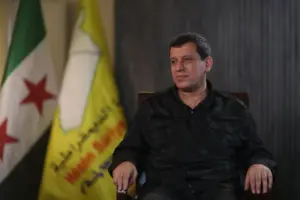
The Commander-in-Chief of the Syrian Democratic Forces (SDF), Mazloum Abdi, stated on Thursday that the phase of integrating military, security, and administrative institutions into Syrian state institutions “has been completed and ended,” announcing the start of a new phase focused on political work to guarantee the rights of the Kurdish people and other components in the Syrian constitution.
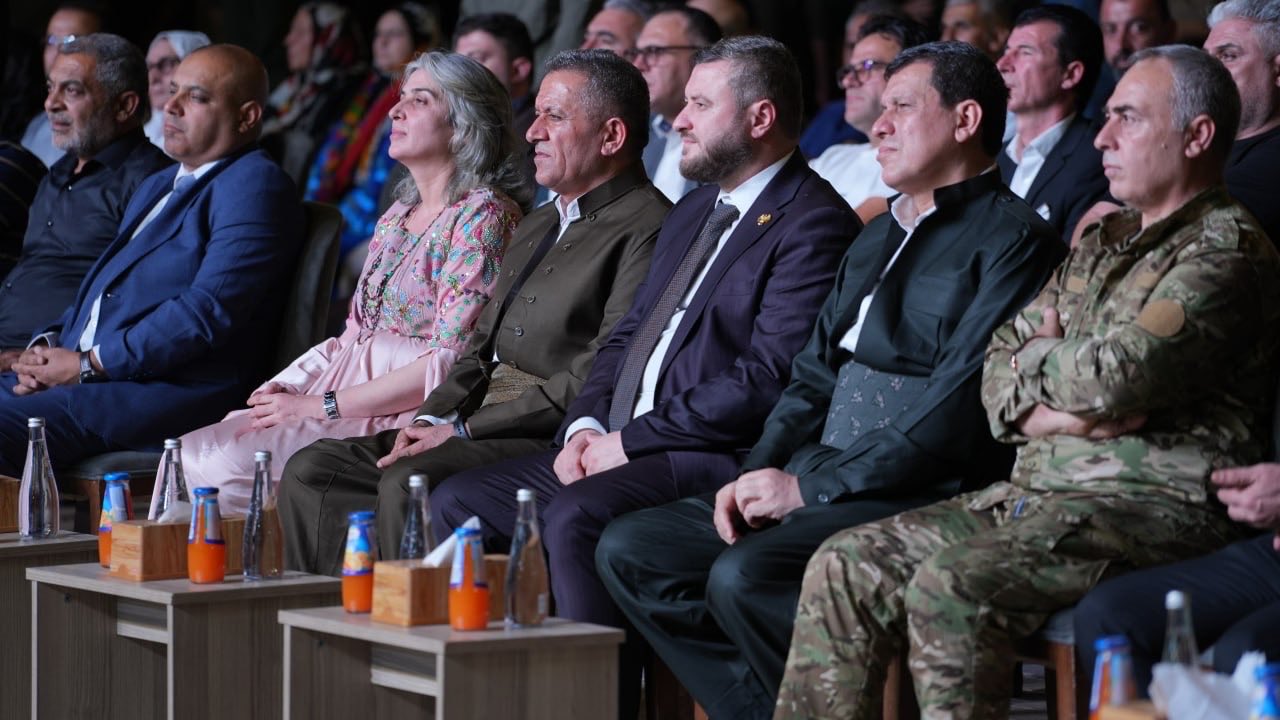
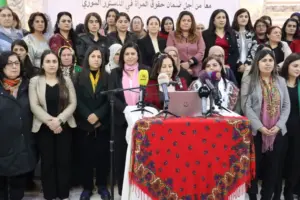
Abdi’s statements came during a speech he delivered in Kurdish at the centennial celebration of the founding of the city of Qamishli in Rojava (“Western Kurdistan”), where he stressed that “the phase of integrating military, security, and administrative institutions into state institutions has ended, and from today onward, a new phase has begun.”
He added: “Our struggle will continue to establish the legitimate rights of our people in the constitution,” noting that the upcoming phase will see an intensification of political work to ensure legitimate rights in the Syrian constitution.
Abdi spoke about the history and diversity of Qamishli, affirming that the peoples of the region, with their various components, have lived there for more than a century, and that the building of the city represented an extension of the cultures and diversity of the region’s peoples.
He pointed out that the Ba’ath regime, and before it authorities with chauvinistic policies, followed policies for decades aimed at changing the demographics of the region and Arabizing it, explaining that the Autonomous Administration over the past 15 years has worked to confront these policies and restore the region’s identity.
He stressed that the upcoming phase in Syria should be based on rejecting chauvinistic policies and demographic change, and ensuring the right of peoples to preserve their languages and identities, stating: “In the new Syria, every child will learn in their mother tongue.”
In the context of speaking about past years, Abdi noted that the region witnessed a fierce war, and that its people defended their areas against attacks, which led to the founding of the Syrian Democratic Forces, emphasizing that these forces came as a result of popular resistance to protect the region.
Sedsalîya bajarê Qamişlo, bajarê pirrengî û biratîyê pîroz be.
Bajarê sedsalî, xwe dispêre dîrokeke hezaran sal a gelên Kurd, Ereb, Suryan, Asûr, Ermen û Kildan.
Her wiha bûye nimûneya bajarekî Sûriyeyê ku her kes pêşwazî kiriye.
Her sal Qamişlo û xelkê wê di nav xêr û xweşîyê… pic.twitter.com/3yHnsotUKN
He explained that the fall of the Ba’ath regime and the start of building a new Syria marked a different stage, noting that the decision to join the new Syria came on the basis of the January 29 agreement, and that the integration of security, military, and administrative institutions built over past years is taking place within state institutions while preserving their identity and achievements.
Abdi called on the people of the region to protect the institutions established through the sacrifices of martyrs, and to work on supporting and preserving them, recalling the fighters of the Kurdistani forces who participated alongside the Syrian Democratic Forces in confronting the attacks to which the region was subjected.
He extended greetings to all those who “stood by our people and were martyred to protect them,” while praising the resilience of the region’s residents over the past 15 years.
He reiterated that the struggle to ensure the rights of the Kurdish people and other components will continue, emphasizing the continuation of political work to secure these rights in the Syrian constitution.
In conclusion, Mazloum Abdi said that Qamishli can become a center for culture, politics, and diversity, calling on all components of the region to work together to build a future dominated by peace and coexistence.
Note: This text is translated from the original Arabic version… Read the Arabic version:Click here