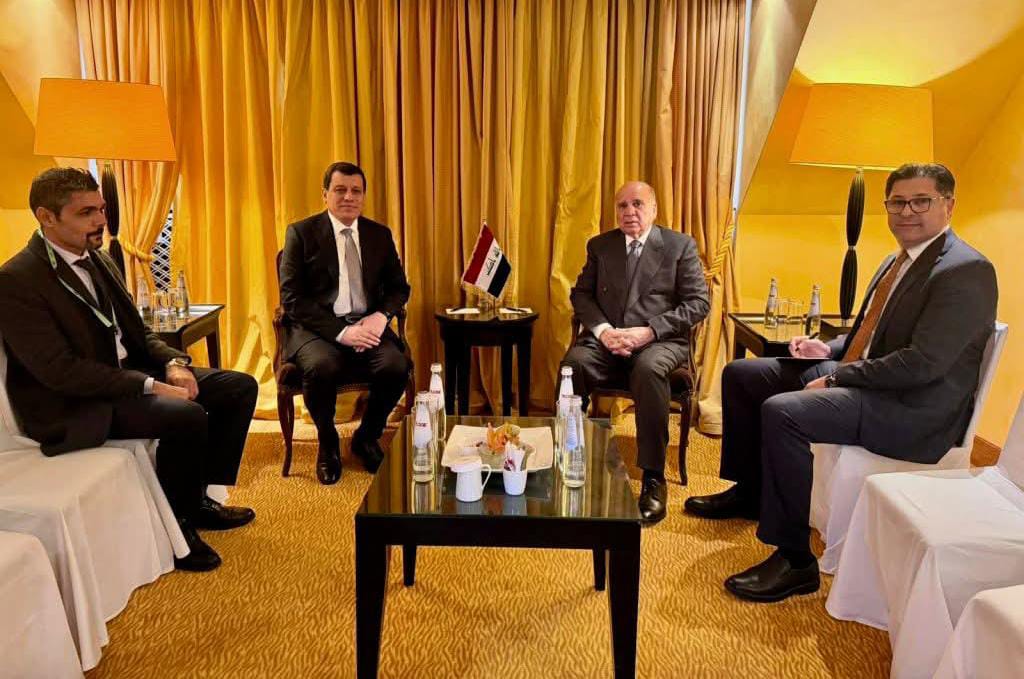
The 2026 Munich Security Conference witnessed a series of intensive meetings by the delegation of the Syrian Democratic Forces (SDF), which held separate and joint talks with the Syrian delegation headed by Asaad Al-Shaibani. The Commander-in-Chief of the SDF, Mazloum Abdi, met with a number of international and regional officials, with discussions focusing on the integration agreement, ensuring a ceasefire, and supporting stability in Syria.
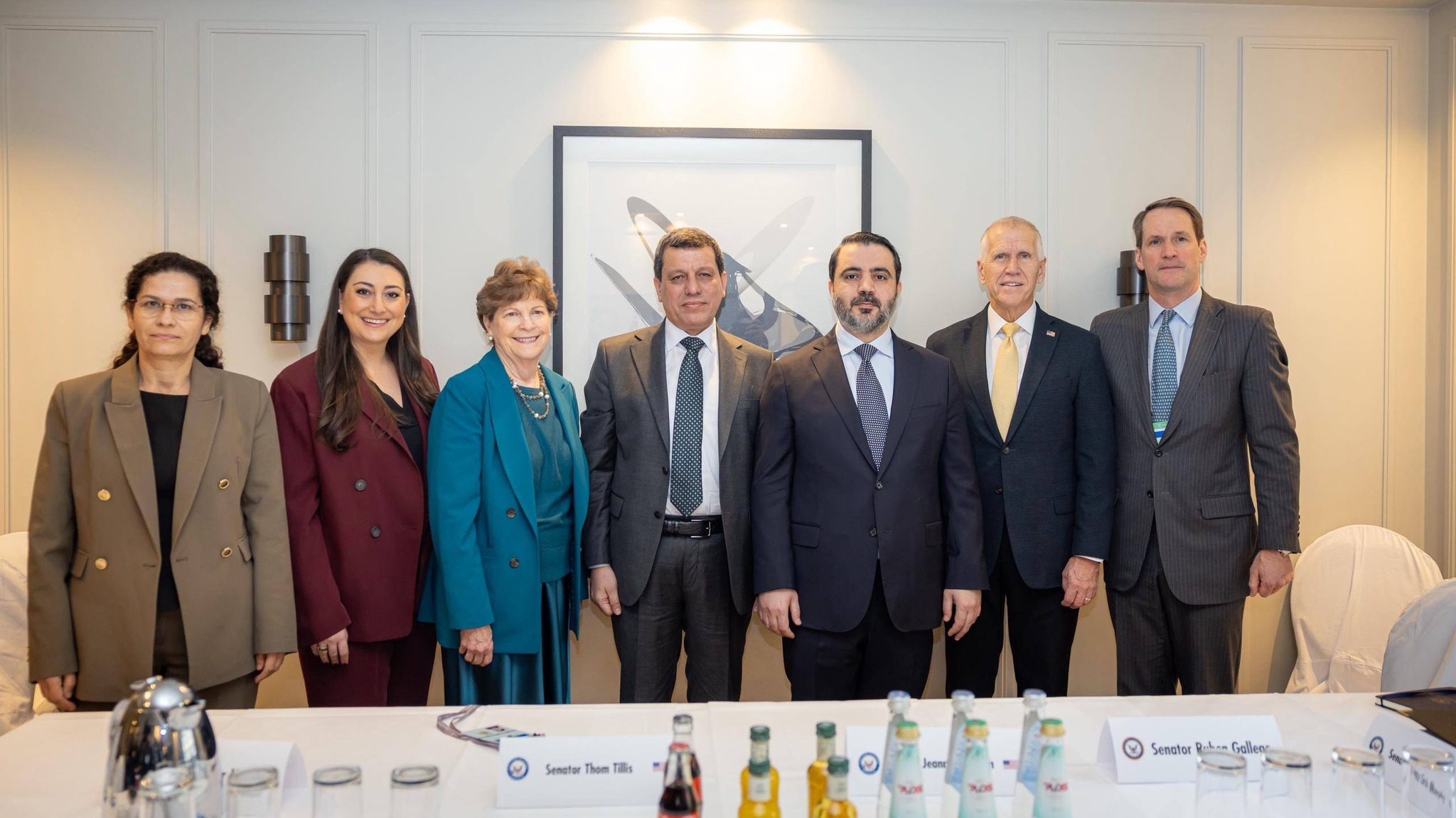
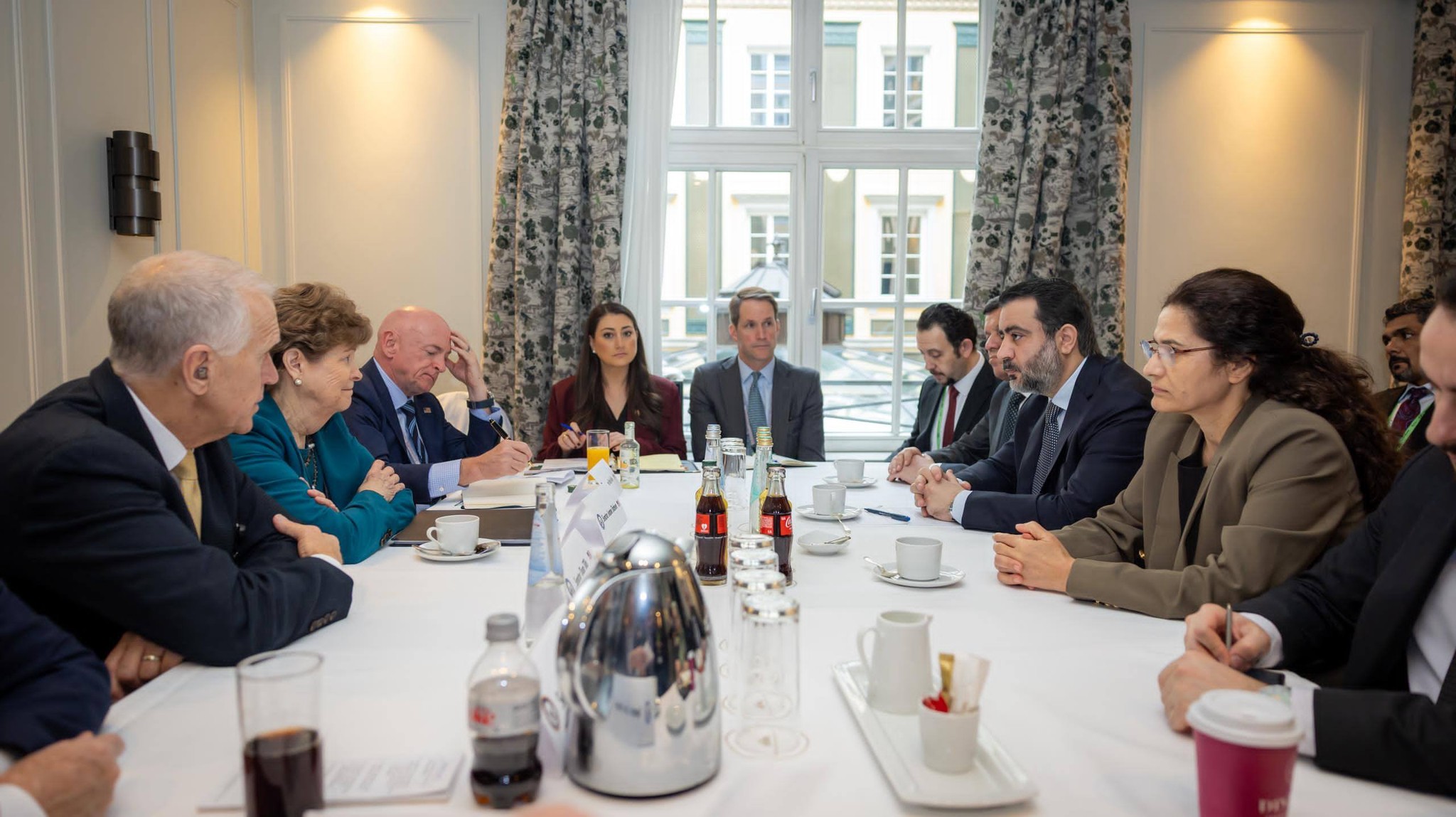
General Mazloum Abdi and Ilham Ahmed met with a delegation from the U.S. Congress. In a statement, Abdi said: “It is a source of pride for us to meet with a delegation of U.S. Congress members headed by Senator Lindsey Graham, and including Senator Sheldon Whitehouse, Senator Jacky Rosen, Senator Peter Welch, and Senator Andy Kim on the sidelines of the 2026 Munich Security Conference.”
Abdi added: “Over the past period, these members, led by Senator Graham, have been among the most prominent advocates for the rights of our people and our forces. They have remained in constant communication with us, listening to our needs and engaging with developments on the ground. They have played a decisive role in supporting our cause and have provided tangible backing through several initiatives and legislative efforts, including the proposed Kurdish Protection Act, which is an important step we take pride in.”
He continued: “We are grateful to them all for their steadfast positions in supporting regional stability and for providing effective assistance to Syria and its people at this critical stage. These members have been and continue to be key partners in promoting justice and freedom for our people.”
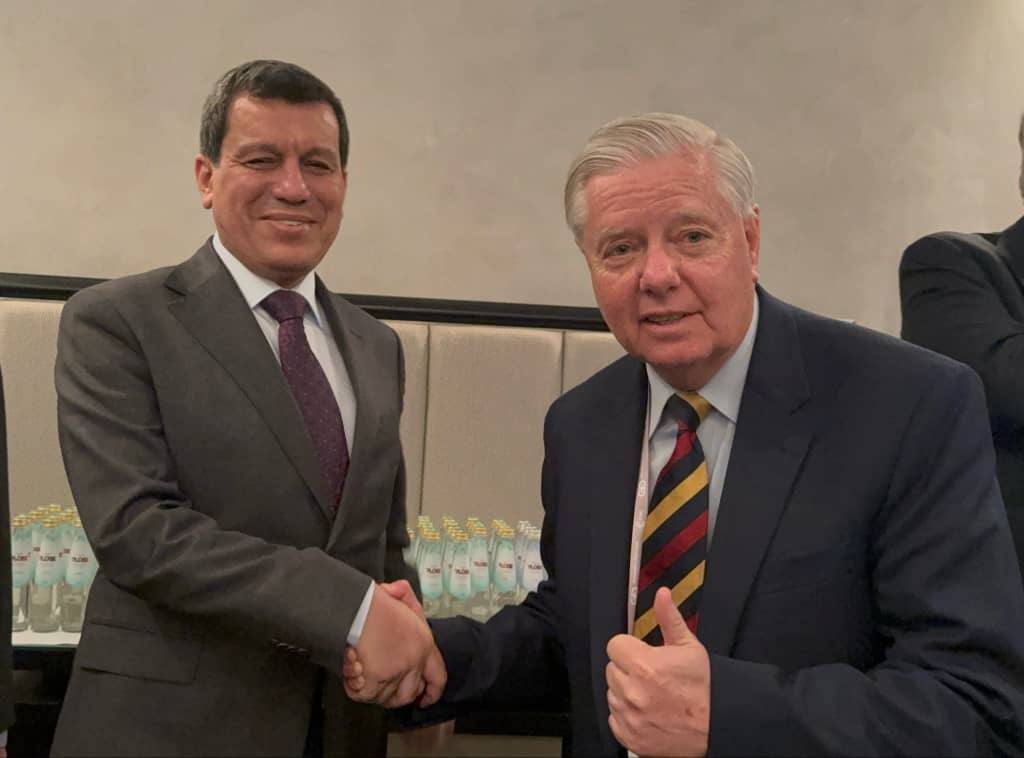
Abdi also met with Senator Richard Blumenthal. In a post on X, Abdi said: “We were honored to meet Senator Richard Blumenthal, who introduced the ‘Rescue the Kurds’ bill in cooperation with Senator Lindsey Graham. Your support for our people and for us, and your swift action, are greatly appreciated and respected. Many thanks and appreciation for all the steps you have taken, and we look forward to continuing to work together for a new Syria governed by peace and justice.”
We were pleased to meet with Senator Richard Blumenthal @SenBlumenthal , who introduced the “Save the Kurds Act” alongside Senator Lindsey Graham.
Your support for our people and us, and your rapid action, are greatly respected and appreciated.
All gratitude for all the steps… pic.twitter.com/5FaKvShrA3
— Mazloum Abdî مظلوم عبدي (@MazloumAbdi) February 14, 2026
Meeting with Senator Jeanne Shaheen
An SDF statement noted that, as part of the Syrian delegation’s series of meetings, Commander-in-Chief Mazloum Abdi met with Senator Jeanne Shaheen on the sidelines of the conference. The meeting focused on discussing the integration agreement, ways to ensure the ceasefire, and enhancing stability during the current phase.
Meeting with the Saudi Foreign Minister
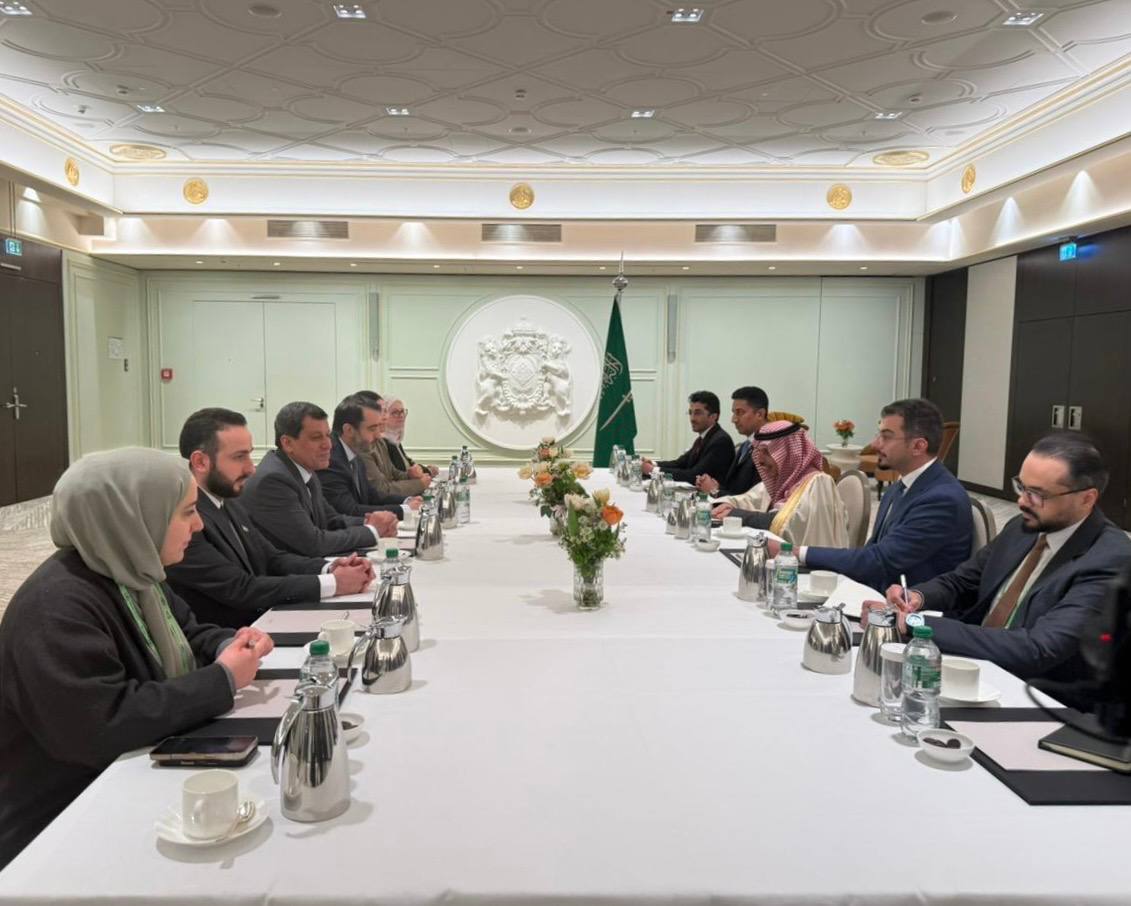
In another statement, the SDF said that as part of the Syrian delegation’s participation in the conference in Munich, a joint meeting was held with Saudi Foreign Minister Prince Faisal bin Farhan bin Abdullah, attended by Mazloum Abdi.
During the meeting, Saudi Arabia affirmed its readiness to contribute to all points agreed upon by the Syrians and reiterated its support for the path of national integration and the implementation of the January 29 agreement. For his part, Abdi expressed his thanks and appreciation for the Kingdom’s role in supporting Syria from the first day, its backing of efforts to lift sanctions, and its facilitation of the agreement process.
Talks with the German Foreign Minister
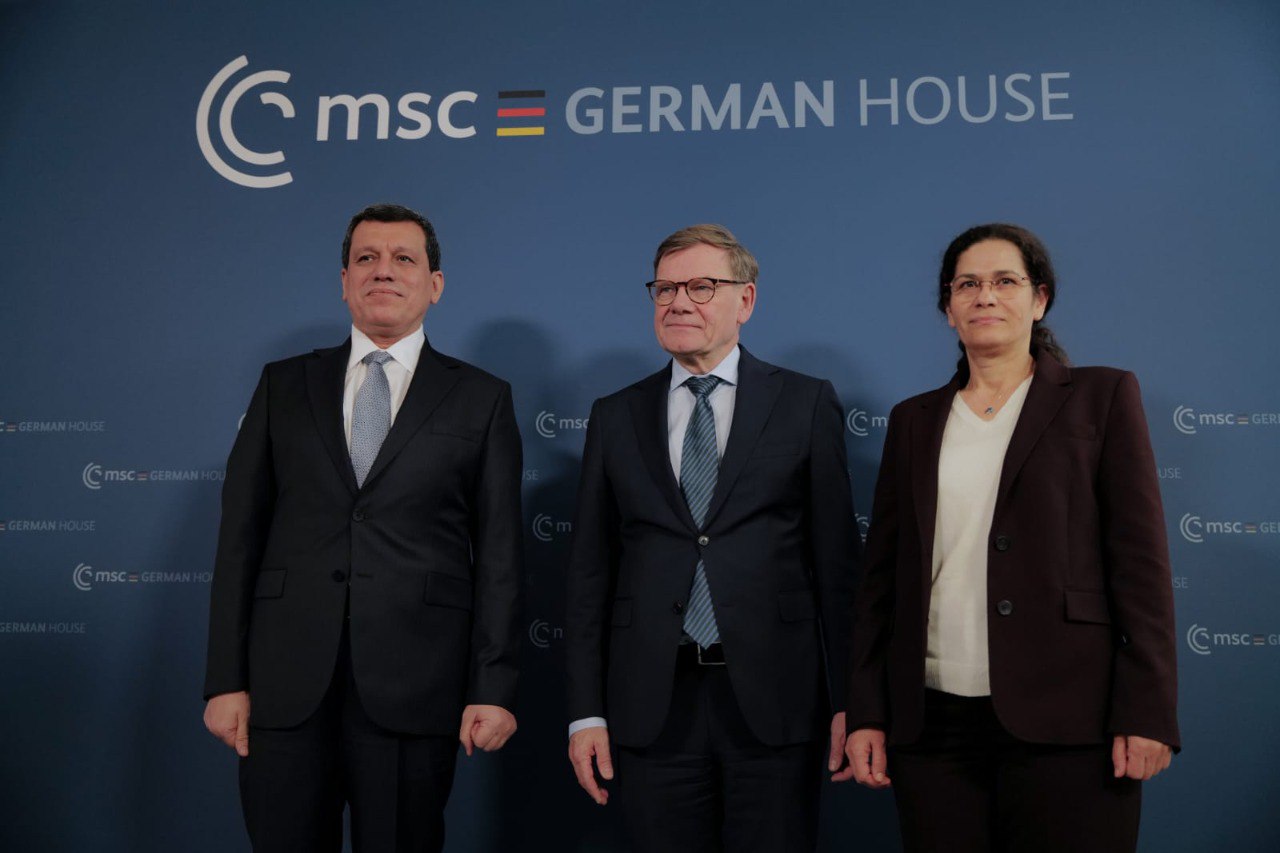
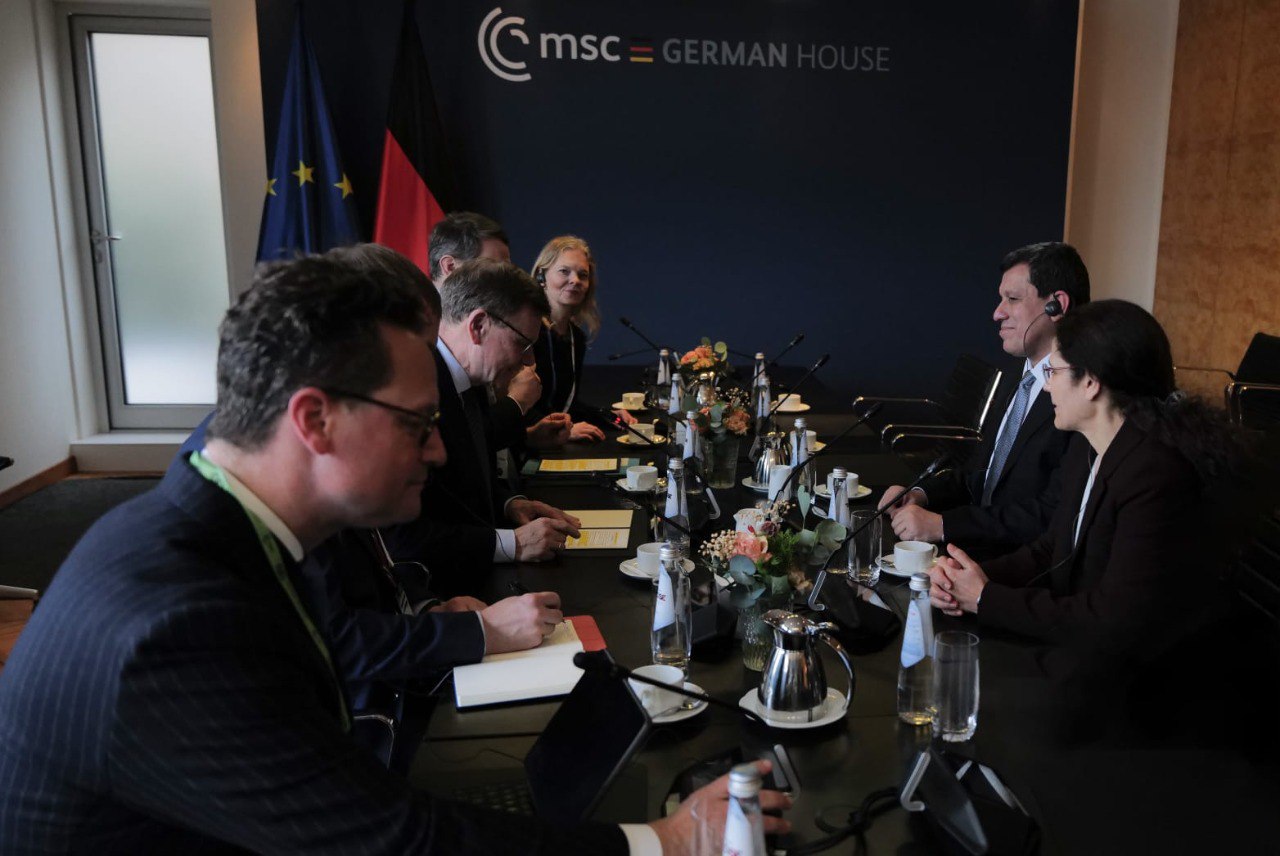
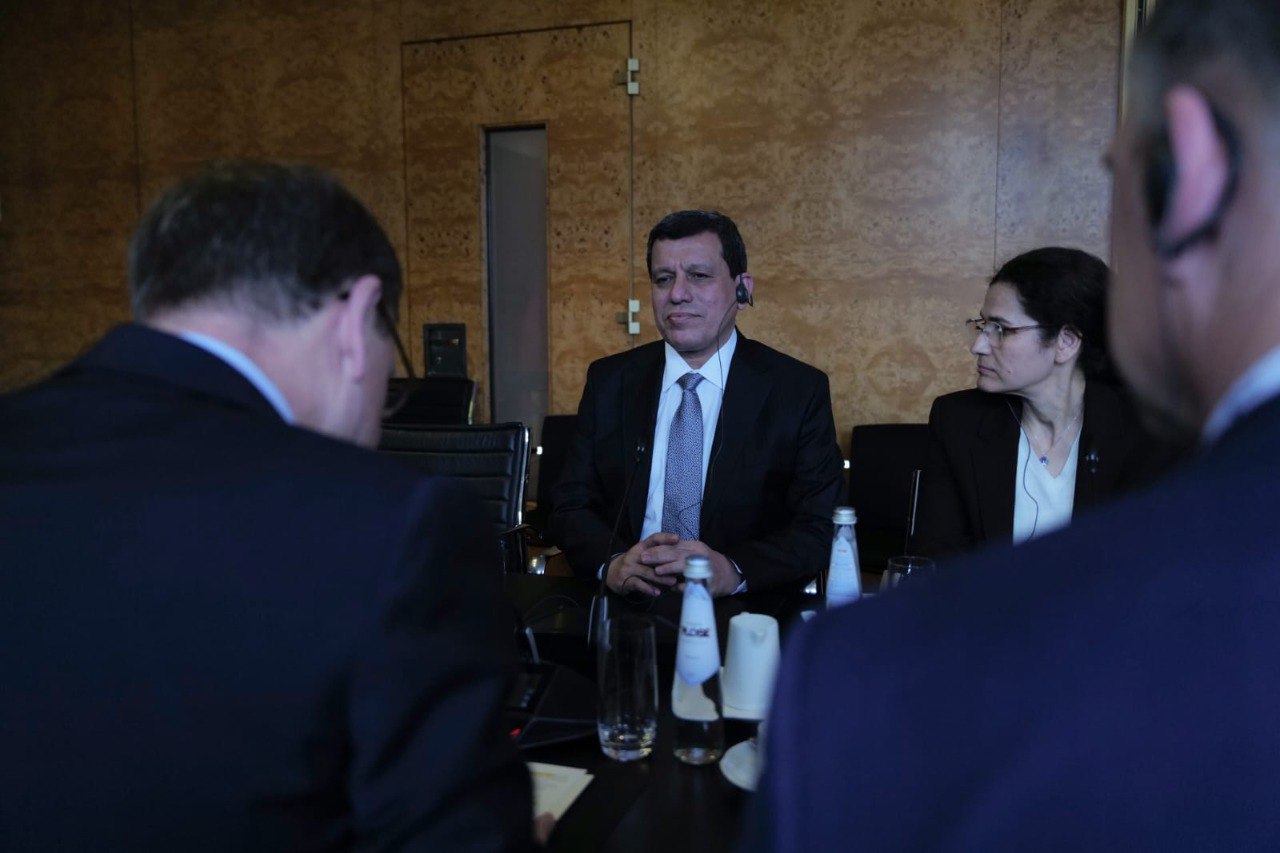
The SDF statement also indicated that Mazloum Abdi held a meeting with German Foreign Minister Johann Wadephul, during which developments in Syria and ways to support stability and strengthen joint efforts in combating terrorism were discussed.
The Commander-in-Chief expressed his gratitude to Germany for providing the opportunity to attend the conference, praising its continued support in the war against ISIS and stressing the importance of ongoing international backing to ensure the implementation and follow-up of the January 29 agreement in a manner that consolidates stability.
For his part, the German Foreign Minister commended the role played by the SDF in combating ISIS and expressed appreciation for the agreement reached, affirming that his country would do its utmost to support the agreement and accompany its implementation in a way that serves Syria’s stability.
Nechirvan Barzani Meets Mazloum Abdi
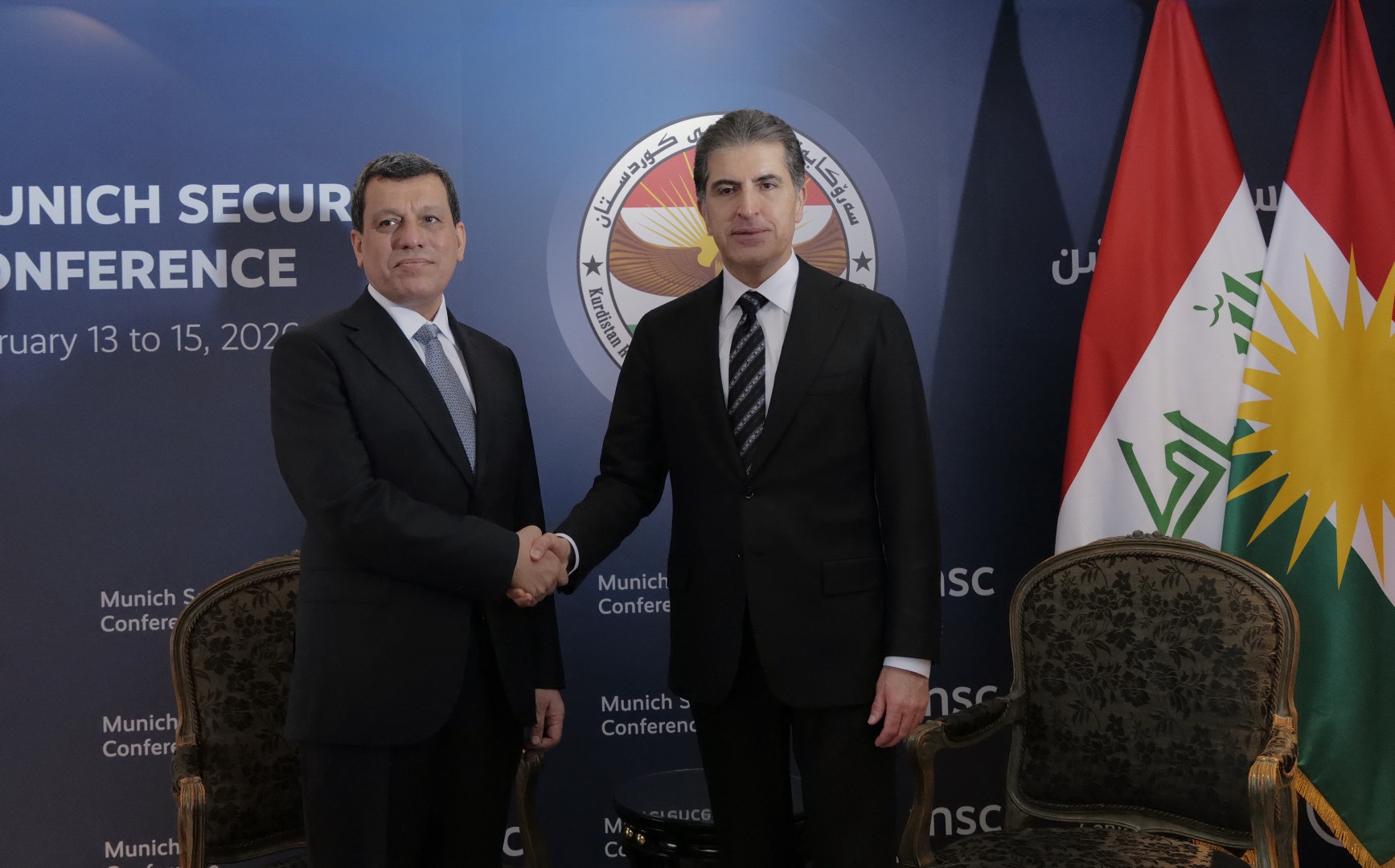
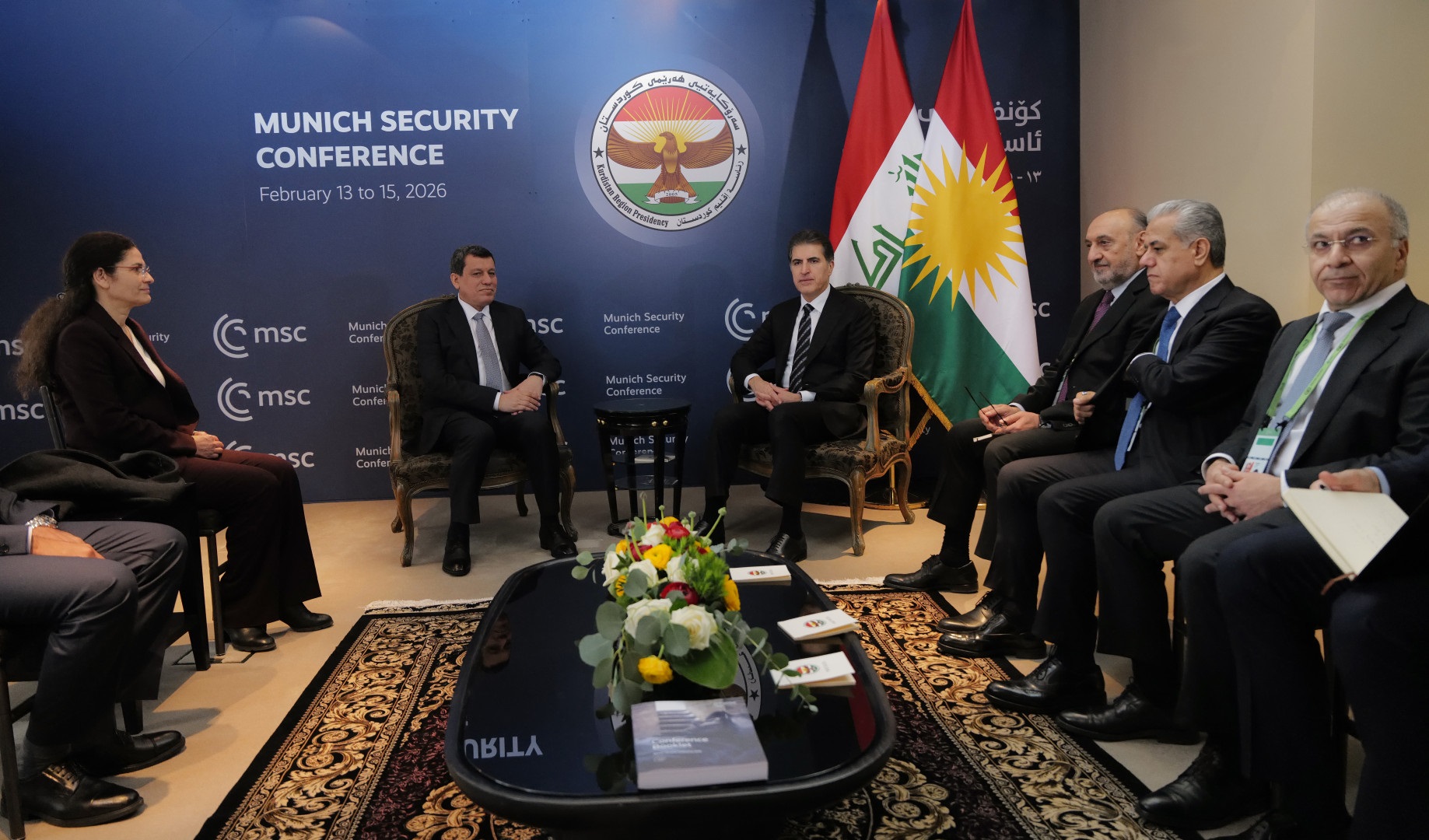
In a related context, Kurdistan Region President Nechirvan Barzani met with Mazloum Abdi and Ilham Ahmed, Head of Foreign Relations in the Autonomous Administration, on Sunday, 15-02-2026, on the sidelines of the conference.
According to a statement from the Kurdistan Region Presidency, Nechirvan Barzani stressed “the importance of continuing dialogue and understanding in order to reach a political solution to the problems in Syria, in a way that guarantees the rights of the Kurds and all components within a united Syria, and within the framework of the country’s forthcoming constitution.”
For his part, Mazloum Abdi expressed “his thanks and appreciation to President Masoud Barzani and the Kurdistan Region Presidency for their continued efforts to de-escalate the situation and reach a ceasefire agreement between Damascus and the SDF.”
The statement added that the risks of ISIS’s resurgence and terrorist threats constituted another key topic of the meeting.
Abdi: We Want Local Kurdish Governance Under Any Name
In remarks to journalists following the meeting, Mazloum Abdi told Rudaw correspondent Ala Shali: “Everyone supports the Kurds obtaining their rights, protecting the particularity of the Kurdish areas, ensuring that attacks on them are not repeated, and enabling the Kurds to manage their own regions.”
Responding to a question on whether the Kurds had demanded autonomy, he said: “There is an issue within the Syrian government regarding titles and terminology. Yes, we want local Kurdish governance under any name, but what matters is that the Kurds administer their areas themselves in all forms.”
He added regarding his meetings: “Everyone supports the Kurds obtaining their rights, protecting the particularity of the Kurdish areas, ensuring that attacks on them are not repeated, and enabling the Kurds to manage their own regions.”
He also said: “Yes, in all the meetings we said this; we said there must be a guarantee mechanism to implement the agreement we concluded with Damascus,” noting that they had asked everyone “that what happened should not be repeated, and if it is repeated, there must be a position, and we also called for establishing a mechanism to implement the agreement.”
Regarding the return of the Roj Peshmerga, he stated: “For us, there is no problem with the return of every young Kurdish man and his joining these four brigades and the women’s forces that will be formed within the Syrian army. The Roj Peshmerga can also participate in them and carry out their work, and this is necessary to protect Rojava Kurdistan.”
For his part, Nechirvan Barzani described the current agreement between the SDF and the Syrian government as “good,” affirming that the Kurdistan Region wants it to be implemented “fully and in its entirety” to restore stability and calm.
Speaking at a press conference on the final day of the conference, he said: “We affirmed our role in the Kurdistan Region as a factor of stability in the region, and we will do our utmost to expedite the formation of the government in Iraq and stability in Syria,” adding that “all countries want a stable and strong Kurdistan Region within a federal Iraq.”
Responding to a question about the prospects for autonomy in Rojava within Syria, he said that “there is an opportunity for a solution, but the issue of agreeing on the appropriate model should be left to the Kurdish parties and the Syrian government to reach consensus on.”
He clarified that the Kurdish parties in question include the SDF, the Kurdish National Council, and other parties, in order to agree with the Syrian government “on the governance model that can be agreed upon,” noting the difficulty of applying the Kurdistan Region’s experience in Syria due to “the absence of unified geography and the presence of diverse components.”
He stressed that the Kurdistan Region supports the current political process and dialogue between the SDF and the Syrian government, and wants the Kurdish National Council and other parties to participate as well, underscoring the need to “enshrine the rights of the Kurds and all components in the constitution, which is a guarantee for every party to feel confident. We encourage all parties to reach agreement within a united Syria, and this is our policy in the Kurdistan Region.”
Read the Arabic version: Click here