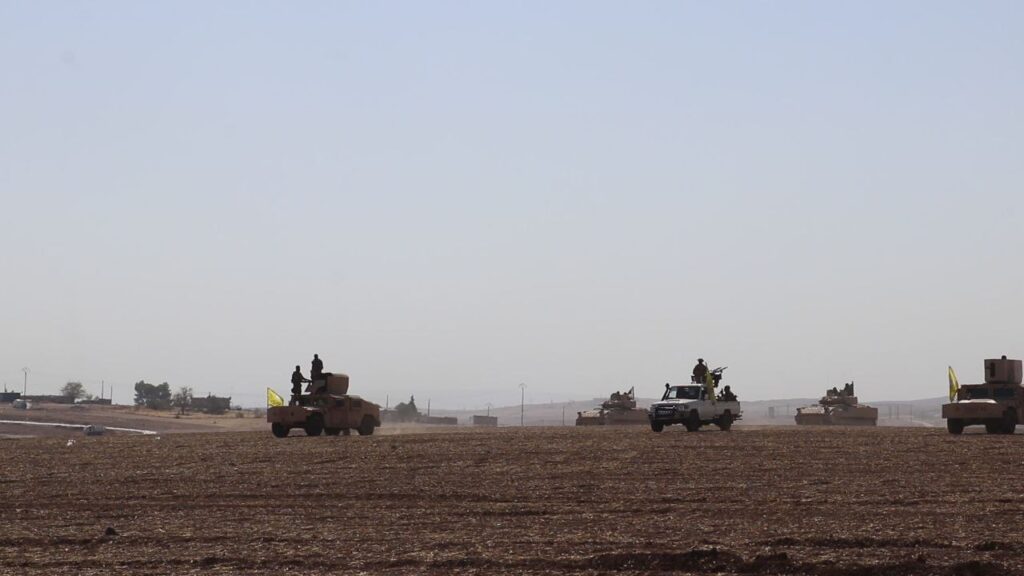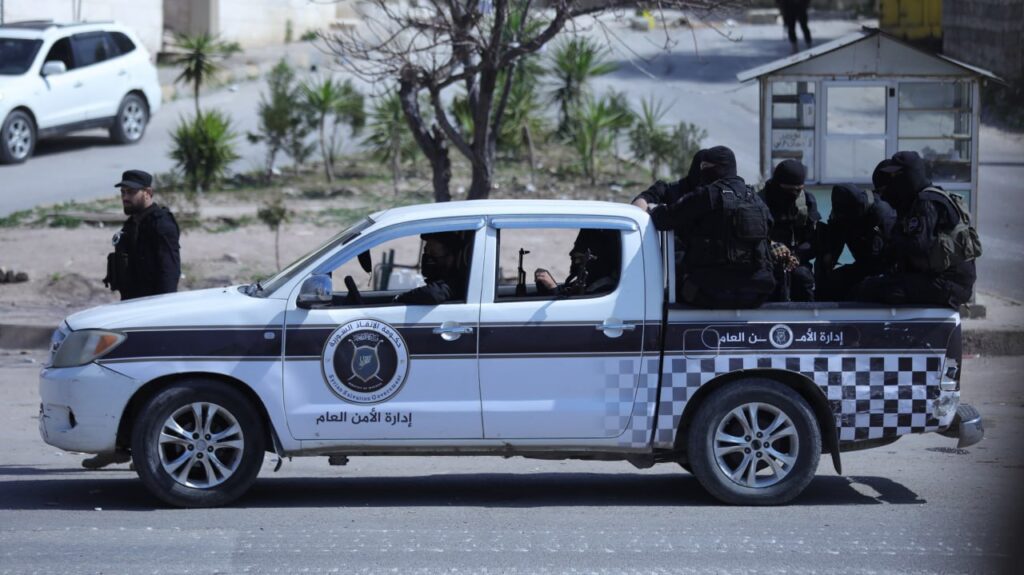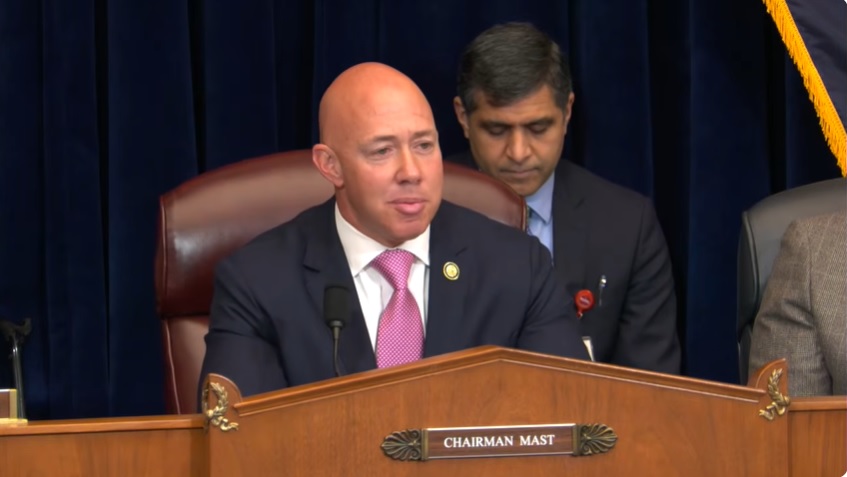
The U.S. House Committee on Foreign Affairs held a pivotal hearing on Tuesday, February 10, 2026, on Syria’s future in the post–Bashar al-Assad period, with a particular focus on the situation of the Kurds and the role of the Syrian Democratic Forces (SDF). The session reflected a broad consensus within Congress that the SDF remains a key partner for Washington, amid warnings of escalating violence and abuses against Kurds and other minorities. The hearing included the screening of graphic video footage documenting crimes against Kurdish male and female fighters.
The committee convened an official, open hearing on Syria, attended by several members of Congress and experts specializing in Syrian affairs.
House Foreign Affairs Committee Chairman Brian Mast welcomed the January 30 agreement between the Syrian Democratic Forces and the Syrian interim government, describing it as “a positive step, but insufficient.” Mast stressed that attacks targeting the SDF are “unacceptable,” noting that they are “allies of the United States.”
He added that Washington is “uncomfortable with what is happening in Syria,” stating that current conditions are “far from where they should be.” Mast emphasized that Syrian interim Prime Minister Ahmad al-Sharaa “has not received a blank check” from the United States, underscoring that any easing or lifting of Caesar Act sanctions is conditional on protecting Syria’s components, undertaking genuine military reforms, and cooperating with Washington in combating “terrorism.”
For his part, Democratic Representative Gregory Meeks, the ranking member of the committee, warned of a “deeply concerning escalation” in violence against Syria’s religious and ethnic communities, including attacks on places of worship. He reaffirmed that the SDF remains “a core U.S. partner in counterterrorism,” noting that “the Kurds who showed courage and allied with Washington to defeat ISIS are now facing a new wave of violence and uncertainty.” Meeks welcomed the January 30 agreement between Damascus and the SDF, calling for clear and tangible commitments to protect the Kurds and all other communities.
During the hearing, Nadine Maenza, former chair of the U.S. Commission on International Religious Freedom, warned of the risk of a “new genocide” in Syria over the next four years if there is no fundamental change in the policies of the country’s new authorities. In her testimony, she stated that the SDF lost around 11,000 fighters in the war against ISIS and established a governance model that includes minorities and strengthens social cohesion, noting that women make up half of the leadership of the Autonomous Administration.
Maenza said this model is now under threat, stressing that “northeast Syria cannot be forcibly integrated.” She urged the United States to monitor the implementation of the January 30 agreement between the SDF and the Syrian government and to impose sanctions in the event of violations, emphasizing that preserving local governance and local security is essential to protecting minorities.
In a notable development during the session, Republican Representative Scott Perry screened a video showing Kurdish male and female fighters being killed and their bodies mutilated by forces affiliated with Syria’s interim authorities, calling for the footage to be officially entered into the committee record. Before showing the video, Perry said, “If you do not want to see shocking and brutal scenes, look away,” adding that the footage shows “the real life of minorities in Syria.”
Perry argued that the Syrian interim government “is not incapable of protecting minorities, but unwilling,” asserting that Hayat Tahrir al-Sham “is not much different from ISIS.” He said, “You can shave an Islamist’s beard and put him in a suit, but we would be naïve to believe he is something different.”
Responding to Perry’s remarks, Nadine Maenza said that some of the footage shown had reached her the same day and depicted “women being raped.” She stressed that the military offensive in northeast Syria “was unnecessary and could have been avoided.” She added that the raising of ISIS flags during military operations, even briefly, reflects “the essence of extremist ideology,” warning of the continued presence of hardline forces in Kurdish, Assyrian, and Yazidi villages.
In closing, Brian Mast stated that “Syria remains very far from meeting U.S. expectations,” describing recent actions against Kurds, Druze, and Washington’s allies as “steps in the wrong direction.” Speaking to Rudaw after the session, he said, “General Mazloum Abdi is a trusted ally, and I will continue to speak with him about all issues.”
Meanwhile, U.S. Congressman Michael McCaul stressed the need to implement the provisions of the January 30 agreement between the SDF and the Syrian government, warning that “if they do not adhere to Congress’s conditions, there will be further consequences, including the reimposition of Caesar Act sanctions.”
Read the Arabic version: Click here