On May 16th of each year, Iraqis commemorate the “National Day of Mass Graves,” a painful occasion that embodies one of the darkest chapters in the modern and contemporary history of Iraq. This day highlights the magnitude of the tragedy suffered by Iraqis at the hands of the former dictatorial regime, especially the victims of the Anfal operations among the Kurds, many of whom were buried alive in the southern deserts, far from their families and homeland.
The commemoration of this day aims to document the crimes of the defunct regime against all components of the Iraqi people.
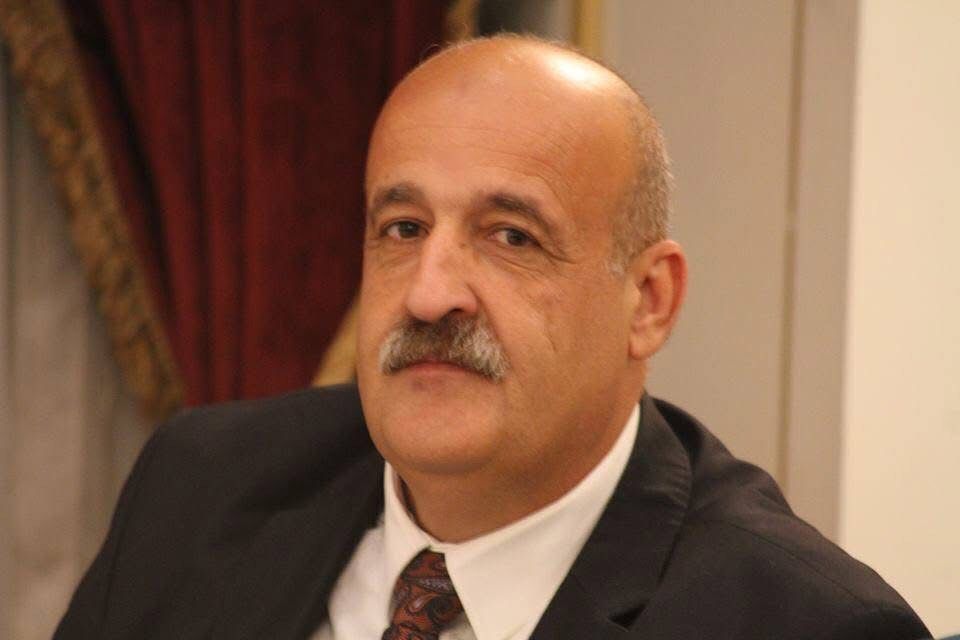
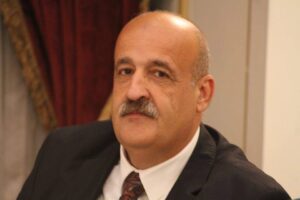
Regarding the activities presented during the commemoration of the National Day of Mass Graves this year, Mr. Dhiaa Karim Tohma Al-Saadi, Director of the Mass Graves Department at the Iraqi Martyrs Foundation, said: “This occasion is commemorated with more than one activity or event, including the planting of a thousand trees in the ‘Garden of Martyrs’ cemetery, which is dedicated to the martyrs of mass graves. Each tree will be planted by a family of the martyrs’ families so that it serves as an extension to immortalize the martyrs.”
Additionally, there is an excavation and opening process for a number of graves in the Ramadi region, coinciding with the commemoration of the National Day.
The designation of this day aims to document the crimes of genocide committed against the Iraqi people, including its Kurds, Arabs, and all other components.
As we commemorate this year’s anniversary, we witnessed two days ago a just retribution with an Iraqi court issuing a death sentence for one of the most prominent criminals whose hands were stained with the blood of innocent victims of the Anfal campaign, namely Ajaj Hardan Al-Tikriti. This brought great joy to the families of the Anfal victims, who hope that everyone who contributed to the Anfal crime receives their just punishment.
Despite the passage of many years since the fall of the defunct regime, the process of uncovering mass graves continues at a slow pace that does not reflect the scale of the tragedy. To this day, the graves that have been found are considered very few compared to the massive expected number, which estimates suggest reaches thousands of graves. Specialized authorities indicate that the former regime deliberately concealed evidence, to the point of liquidating the executioners of the burial operations and the bulldozer drivers, in an attempt to obliterate the features of the crime.
Among the most prominent areas that contained these graves are: the Samawa desert, Al-Badia, Arar, and areas in Diwaniyah, where the victims were buried in remote locations that are difficult to reach or discover easily.
According to the Ministry of Martyrs and Anfal Affairs in the Kurdistan Region, more than 300 mass grave sites have been identified across Iraq so far, based on international experts, about 80% of which belong to the victims of the Anfal operations. From these graves, 57 sites have been opened in 17 different areas, and 3,659 remains have been exhumed and returned to their relatives. As excavation work continues, more are expected to be found.
However, compared to the estimated number of Anfal victims, which is around 182,000 people, this number remains very small, raising major question marks about the efforts exerted.
At the level of Iraq, Mr. Dhiaa Karim Tohma Al-Saadi, Director of the Mass Graves Department at the Martyrs Foundation, says: “Although international bodies have identified about 300 mass grave sites (each site may contain more than one mass grave), there are still many more. The uncovering process is ongoing; just during the past six or seven days, 7 graves were discovered, and the excavation and uncovering process is continuous.”
Regarding the total number of graves that have been opened, the Director of the Mass Graves Department confirmed that 326 mass graves have been opened so far.
The families of thousands of missing people still do not know the fate of their loved ones. Activists and relevant organizations call for accelerating the search and excavation operations for mass graves, stressing the importance of the participation of international organizations and representatives of the international community to internationalize this file and ensure its recognition as a crime of genocide in global forums.
At the same time, observers of this file point to a clear shortcoming by the concerned authorities, whether at the level of the federal government or the Kurdistan Region. In this regard, Mr. Dhiaa Karim Tohma says: “We are committed to Law No. 5 of 2006, on one hand. On the other hand, the defunct regime executed the genocide operations with the utmost secrecy, and therefore, uncovering the graves is not easy. Whenever we are notified of a site, wherever it may be, the team moves in accordance with clauses four and six, and there is no slackness or negligence in the team’s work.”
He added: “This file is not secondary, nor is it subject to political or whimsical calculations; it is a national, existential, and moral file. Any complacency in rendering justice to the victims and uncovering their fate is another crime added to the previous ones.”
We in the Kurdistan Region see a necessity to review the Protection of Mass Graves Law No. 5 of 2006 (Amended), which does not grant the Region a sufficient role in this issue. It is essential that Kurdish authorities be actively involved in all stages of the work, from search and excavation, through laboratory tests, leading to the reburial of the victims in ceremonies befitting their dignity and status.
Mr. Dhiaa Al-Saadi says in this regard: “The law has previously been amended under Law No. 13 of 2015 according to the requirements of the file, where the chairmanship of the committee was entrusted to a judge appointed by the Judicial Council instead of an employee.”
A number of genocide activists have repeatedly proposed designating a special day for Kurdish mass graves in the Kurdistan Region, similar to the National Day in Iraq. Some believe that the date of opening the first mass grave of Kurds in the Qir factory near Erbil in September 1991, which belongs to the victims of the Balisan area, is the most appropriate day to be adopted in the Region. Others believe that it is necessary to view this issue as a national cause at the level of Iraq and that it is not necessary to fragment it, in order to document and internationalize it at the level of Iraq as a whole.
Regrettably, the majority of the victims’ remains that have been returned to their final resting places have not undergone DNA testing to this day, which hampers the process of identification and matching the remains with their families. In this context, there emerges an urgent need to launch a comprehensive national campaign to collect blood samples from the families of the martyrs. Mr. Dhiaa Al-Saadi confirms that during the past year, their department, in cooperation with the Institute of Forensic Medicine and with the support of Ms. Shanaz Ibrahim Ahmed—who was the First Lady of Iraq and who in turn assigned Sister Bari Nouri Aziz, who contributed effectively to enabling our teams to accomplish their tasks—noted that this test contributes to conducting matching operations and identifying the victims, which is a humanitarian and moral demand that cannot tolerate delay.
The ICMP (International Commission on Missing Persons) participates in opening all graves and contributes to the process of documenting these crimes, but this is not enough. Rather, all organizations working in this field must be involved, such as the International Committee of the Red Cross (ICRC) and the OPCW (Organisation for the Prohibition of Chemical Weapons). We even deem it necessary for the diplomatic missions of countries present in Iraq to attend, with the aim of giving the file an international character.
On this day, we commemorate the souls of the martyrs of mass graves and the Anfal operations with all reverence and honor, and we renew our pledge to continue working to uncover the truth and achieve justice for them. Mass graves will remain a stain of shame on the foreheads of those who committed these heinous crimes, and those who still yearn for the era of repression and mass murder.
Mercy and eternity to our disappeared martyrs deep within the earth, who were buried as strangers in the deserts of death, from all spectrums and ethnicities, and shame and disgrace to the perpetrators of the crimes of genocide.
Note: This text is translated from the original Arabic version… Read the Arabic version:Click here