Three Sculptural Works, Including the Ain Dara Lion and Median Guards, Displayed in Qamishli Public Park
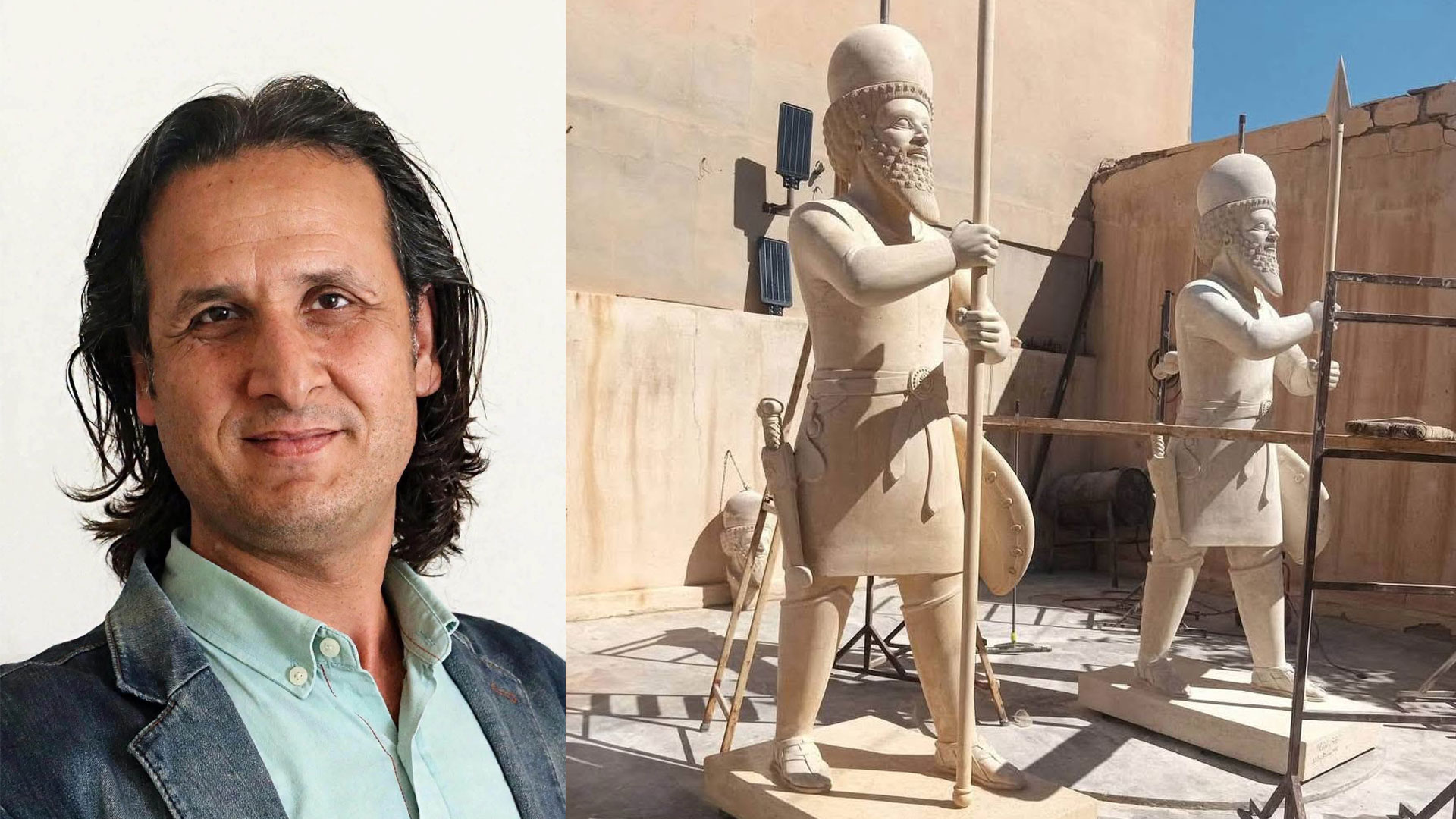
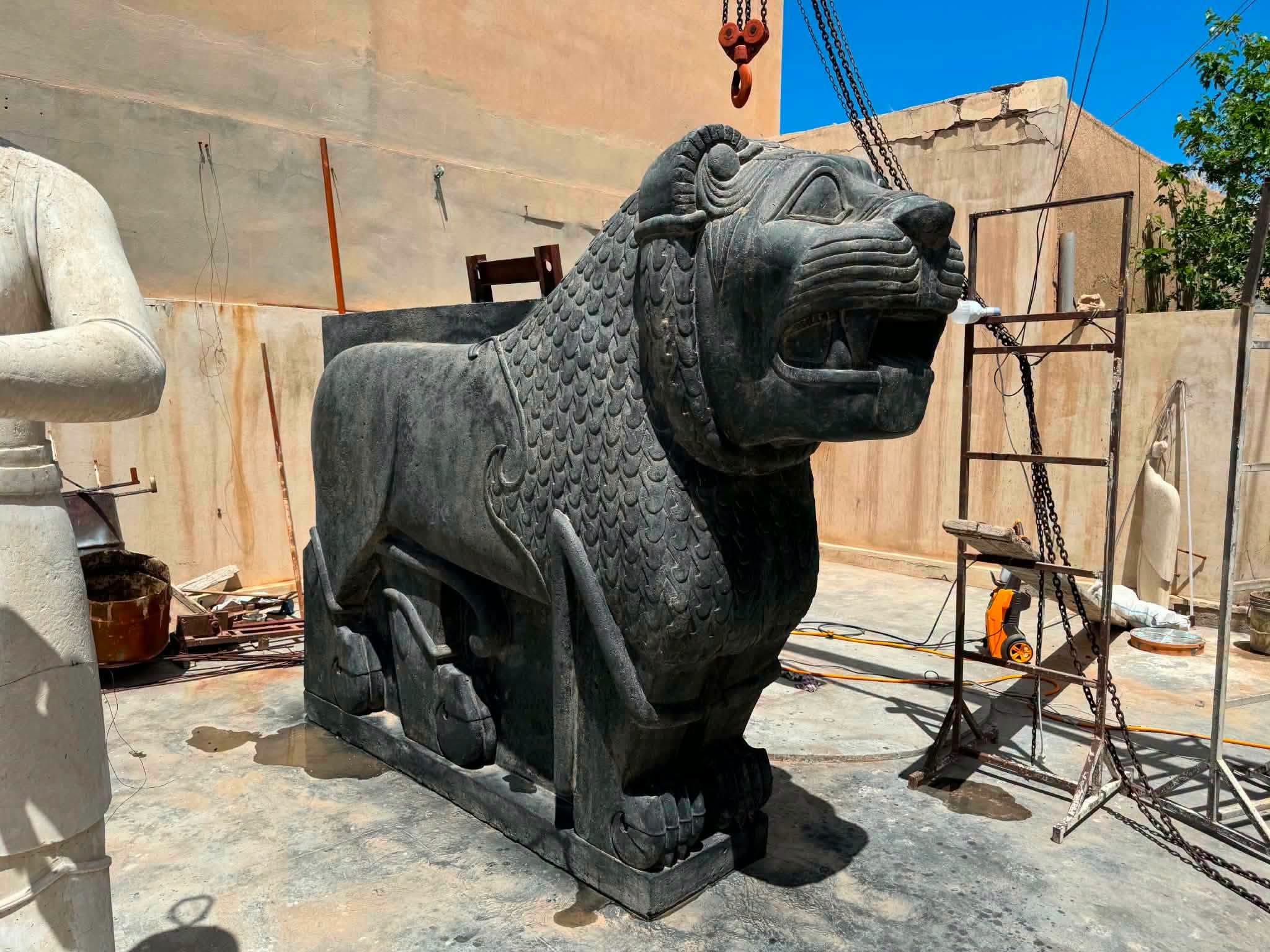
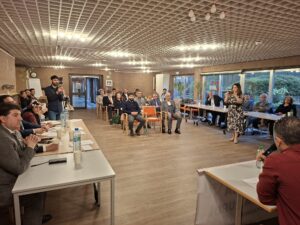
Qamishli, Rojava Kurdistan — Kurdish visual artist and sculptor Munir Sheikhi unveiled three sculptural works on Friday evening, September 4, 2026, which he stated represent the history of the Kurdish people in Rojava Kurdistan. The unveiling took place during an event held at the Public Park in the city of Qamishli.
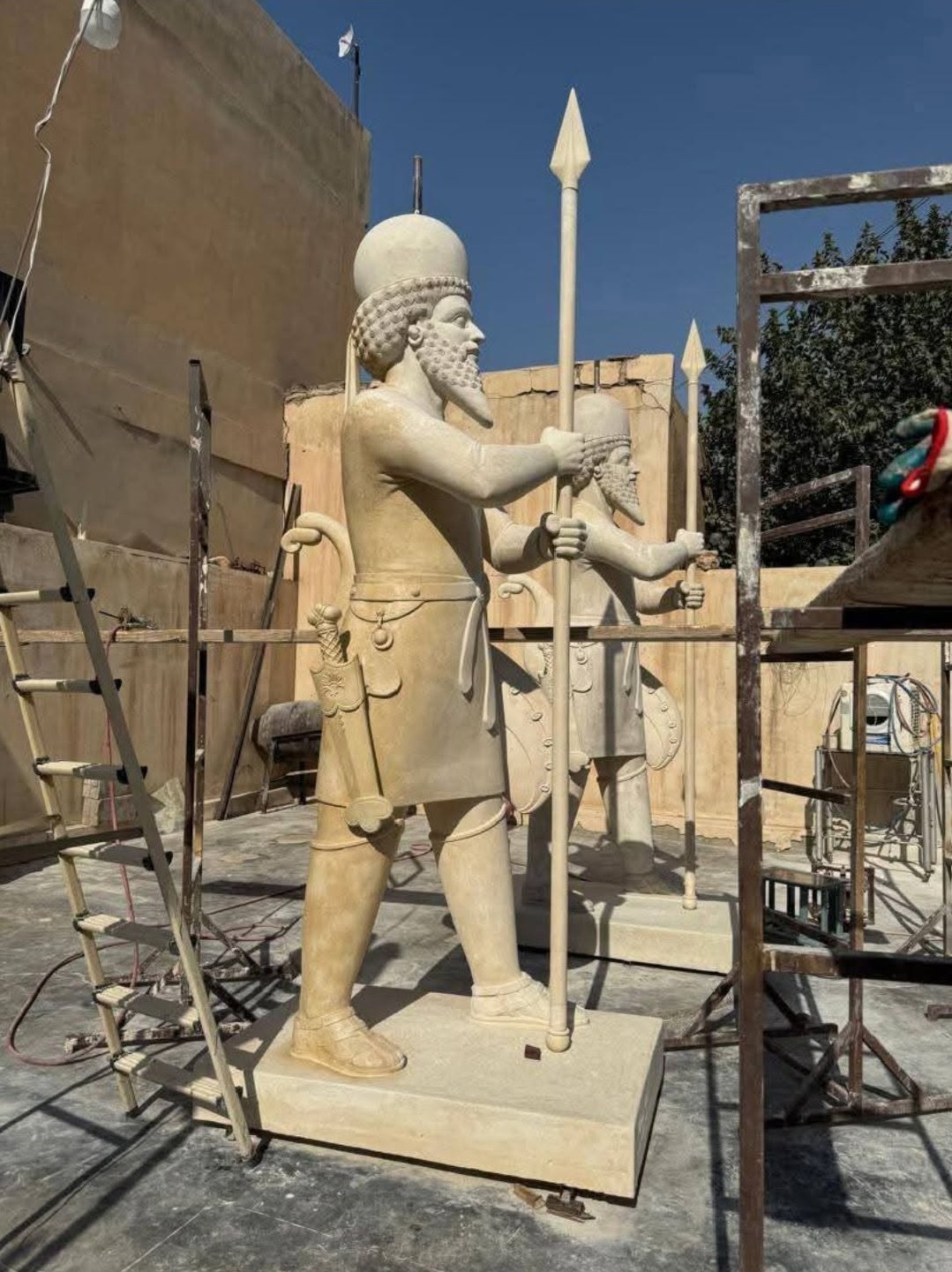
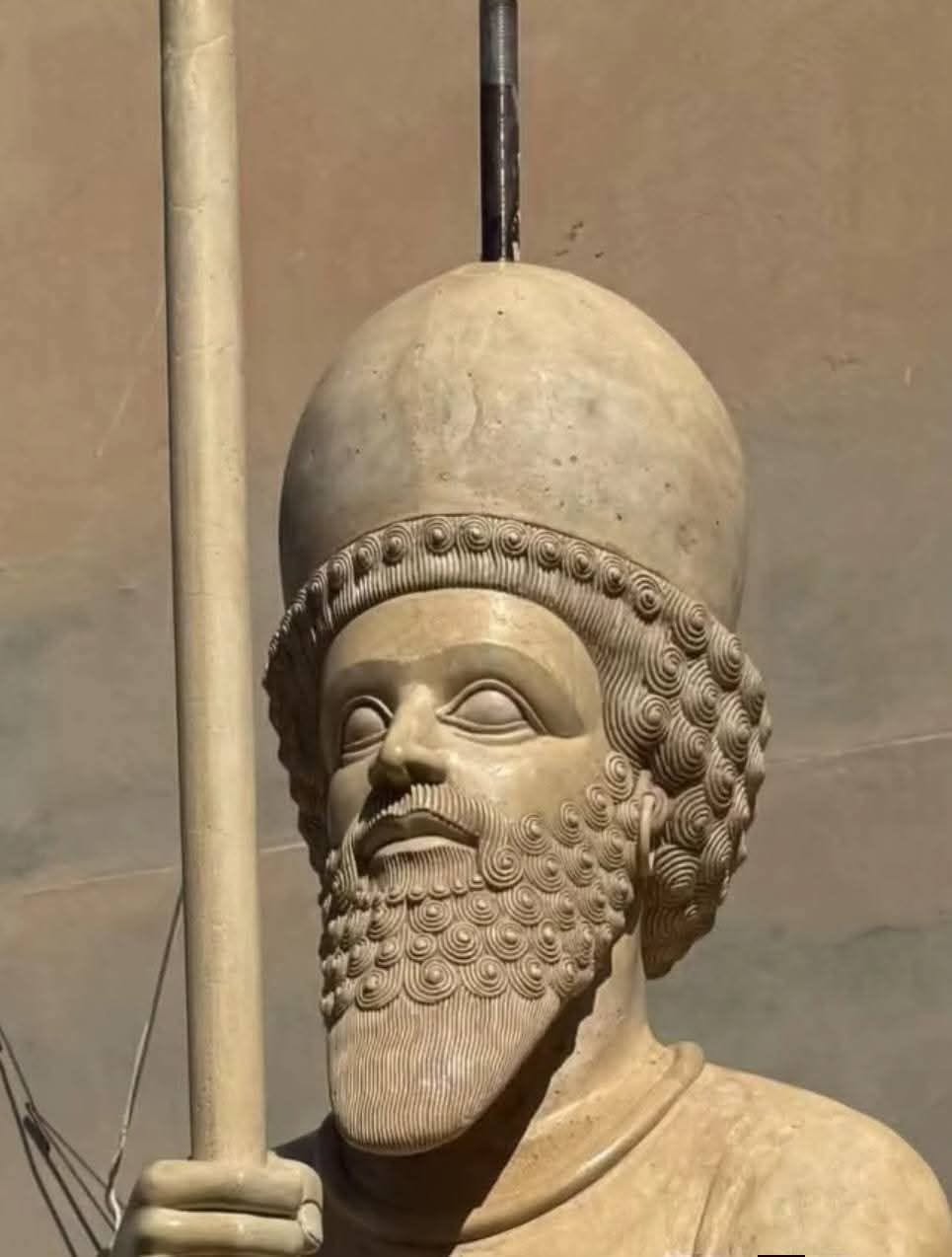
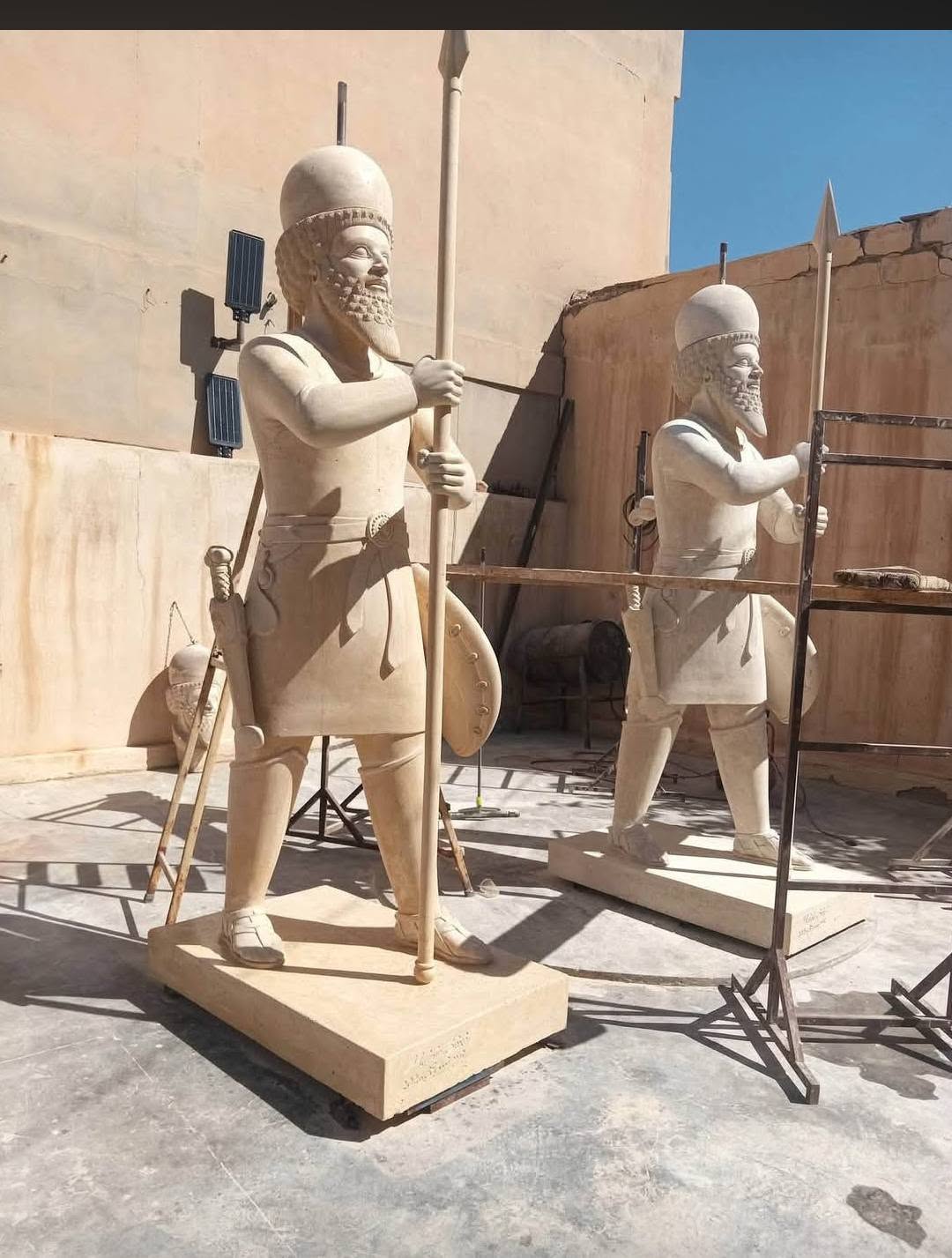
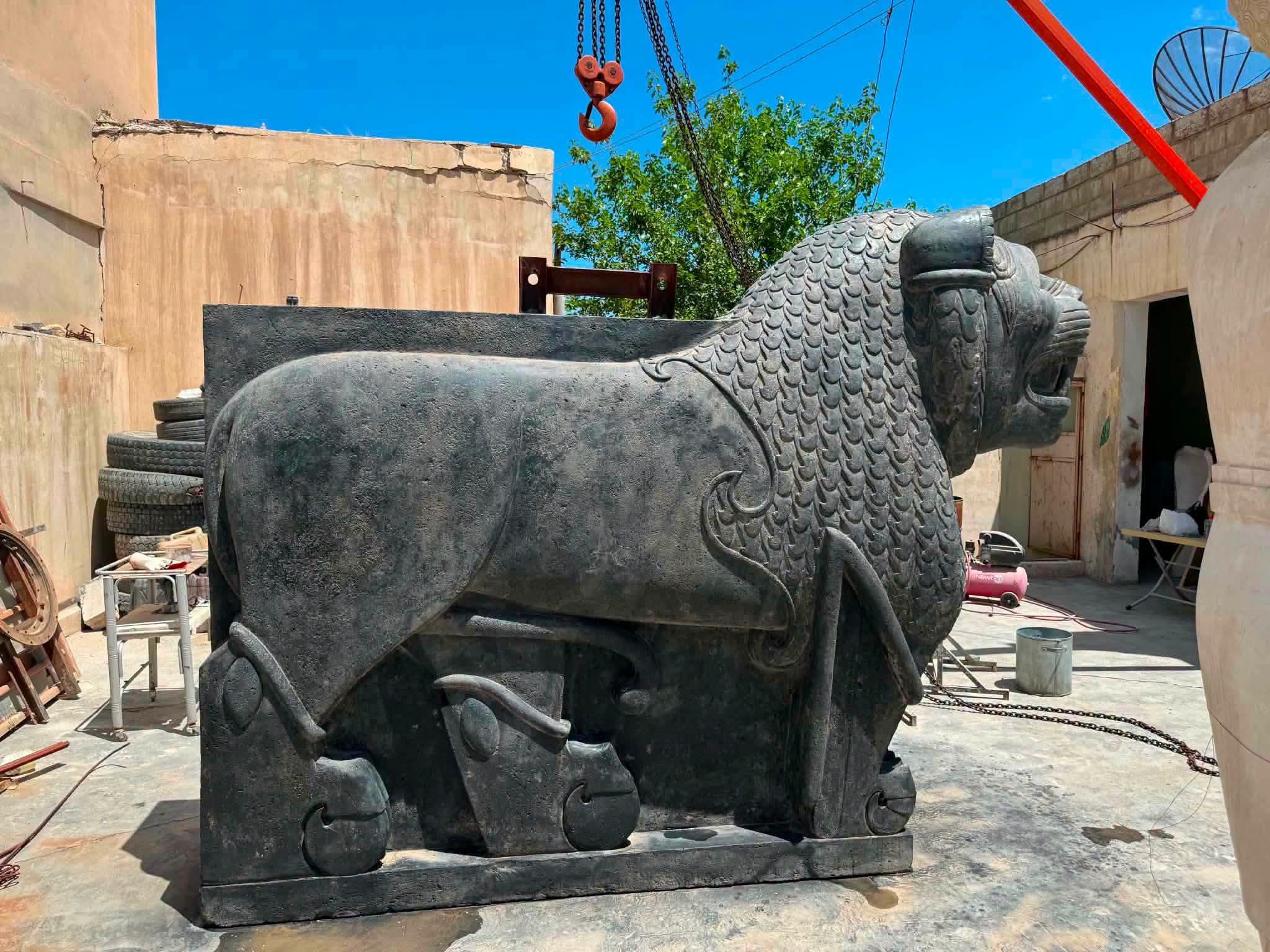
Sheikhi had previously issued an invitation on his Facebook page, calling on the public to attend, stating: “I am pleased to invite you all to attend the unveiling ceremony of three sculptural works representing the history of our Kurdish people in Rojava Kurdistan.” He noted that the creations feature “Median fighters and the Lion of Ain Dara”.
The sculptor designated the Public Park in Qamishli as the venue for the event, setting the date for September 4, 2026, at 6:00 PM.
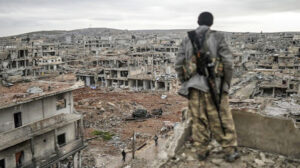
The inclusion of the Ain Dara Lion in this new project comes in connection with an archaeological site that suffered extensive damage during the Syrian war. Located near Afrin, the ancient site of Ain Dara was particularly renowned for its basalt sculptures, including a giant basalt lion discovered in 1955. Research sources indicate the site was hit by shelling in January 2018, causing widespread damage to the temple, while the large basalt statue subsequently disappeared from the location.
A United Nations report on conditions in Afrin also cited allegations of looting at religious and archaeological sites, including the Ain Dara temple, alongside the tampering with artifacts.
According to statements regarding Sheikhi’s work, recreating the Ain Dara Lion and the Median guards required five years of continuous labor, aimed at reproducing the original sculptures in their actual scale and weight.
The Ain Dara Lion is considered one of the most prominent sculptural elements associated with the ancient temple, which historical and archaeological sources date back to the first millennium BC.
As for the Median guards, their symbolic significance relies on the Median Empire, which was established in the region during antiquity. The artwork presents these guards as part of the historical memory recalled by the artist through sculpture.
The reintroduction of these icons through new sculptures holds special significance for the cultural heritage of Rojava Kurdistan and northern Syria, given the damage inflicted on several regional archaeological sites during the war years—including shelling, destruction, looting, and illicit excavations—as documented by various reports and sources.
Note: This text is translated from the original Arabic version… Read the Arabic version:Click here