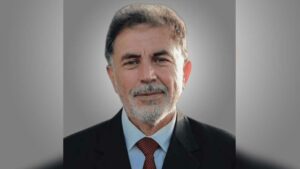
The President of the Kurdistan Region emphasizes the necessity of enshrining the rights of the Kurds and other components in the permanent Syrian constitution, calling for a unified Kurdish voice in Damascus and a realistic approach to existing circumstances.
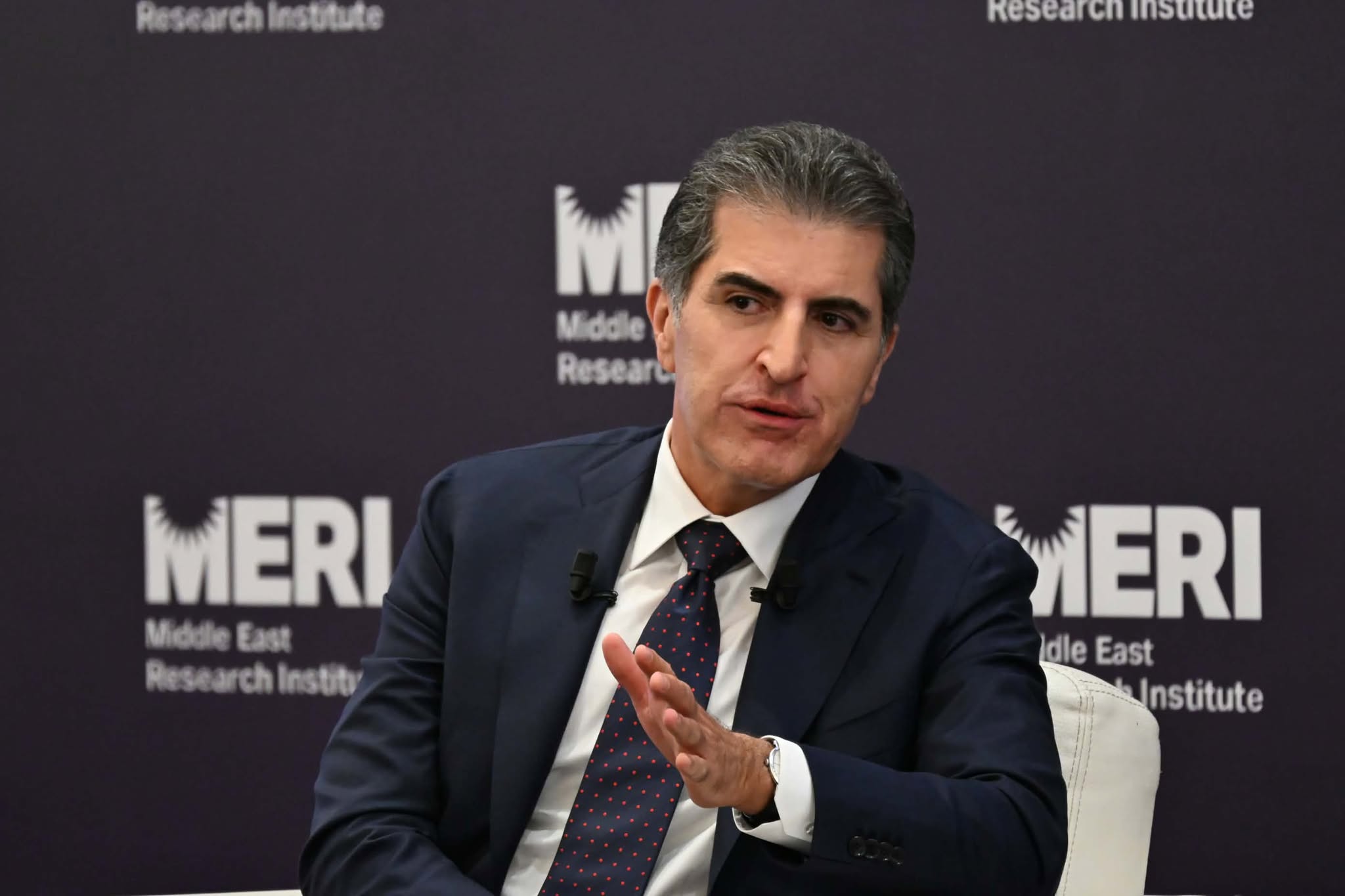
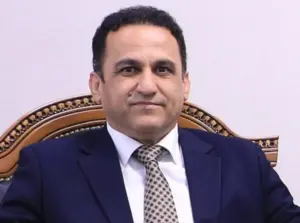
The President of the Kurdistan Region, Nechirvan Barzani, affirmed that what has been achieved for the Kurds in Rojava Kurdistan so far represents important steps, stressing the need to deal realistically with existing conditions and to unify the Kurdish stance in Damascus to ensure that the rights of Kurds and other components are enshrined in Syria’s permanent constitution.
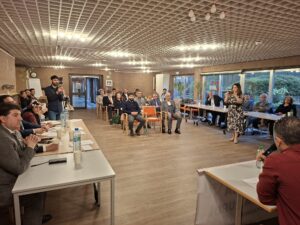
This came during his participation, today, Monday, October 12, 2026, in a panel discussion as part of the MERI Forum 2026 activities, where he praised what has been accomplished in Rojava, noting that conditions there differ from the Kurdistan Region’s experience, both geographically and socially.
Barzani said: “I congratulate what has been accomplished so far in Rojava,” adding that what was achieved “was not a simple matter, but rather the result of a realistic view of things, and no more could have been possible.”
He explained that the Kurdistan Region of Iraq model cannot be applied in Syria due to geographical differences and social diversity, pointing out that his evaluation of the steps taken in Rojava is tied to the extent to which the reality and specific conditions of the country are taken into account.
Integration of Forces and Kurdish Rights
Speaking about developments related to the integration of security forces and education, Barzani noted that progress has been made in these files, emphasizing that guaranteeing rights in the permanent Syrian constitution represents the fundamental benchmark for the completion of this progress.
He stated that “Syria is not a purely Arab country; rather, there are Arabs, Kurds, Druze, and Alawites,” underscoring the importance of guaranteeing the rights of all components “within the framework of a unified Syria.”
He added that what has been achieved for the Kurds so far is “generally good,” but stressed the importance of unifying the Kurdish stance across its various political forces in Damascus, enabling the enshrinement of Kurdish rights in the permanent constitution.
In this context, Barzani explained that the steps taken toward integrating forces and developing the education file are worthy of appreciation, pointing out that absorbing about 13,000 individuals into the Syrian Army ranks, gradually integrating 17,000 people into security agencies, and discussing the issue of education represent significant steps.
He stressed that these developments should be viewed in the context of the conditions under which Kurds in Syria lived, saying that the country “did not grant Kurds identity and did not consider them Syrian citizens.”
Barzani: Al-Sharaa Wants to Solve Problems
Regarding his assessment of Syrian President Ahmed Al-Sharaa, the President of the Kurdistan Region said that he did not sense hostility toward the Kurds during his meeting with him in Damascus, adding: “When I met Syrian President Ahmed Al-Sharaa, I did not see that he is hostile to the Kurds, nor did I perceive anything of the sort.”
Citing his visit to Damascus, Barzani highlighted the reception ceremony, the message written by Al-Sharaa in the Kurdish language, the presence of the flags of Kurdistan and Iraq at the reception venues, and the writing of the menu in Kurdish, considering that these steps carried a clear message regarding the Syrian President’s position toward the Kurds.
He said: “He wanted to send a message,” adding that Al-Sharaa aimed to emphasize that he does not hold a negative stance toward the Kurds and believes in the possibility of reaching an understanding with them.
At the same time, Barzani pointed to the difficult situation in Syria, saying that it is a “devastated Syria” and that rebuilding it across various aspects requires time, but expressed his belief that President Al-Sharaa indeed wants to solve the problems.
Call to Benefit from the Kurdistan Region’s Experience
Speaking about the lessons that Kurds in Rojava can draw from the Kurdistan Region’s experience, Barzani revealed that he had previously discussed this topic with General Mazloum Abdi, advising him to avoid the mistakes made during the Region’s experience.
He said: “I have spoken about this with General Mazloum before, and I told him that they should learn from us in certain matters. We made some mistakes, and we must admit that they were mistakes; let them learn from us and not repeat those mistakes.”
He stressed the necessity for Kurds, wherever they are, to look realistically at their situation in the countries where they live and to understand what is available to them and the boundaries of what can be achieved under existing circumstances.
Barzani cited the 2005 Iraqi Constitution, which recognized Kurdish rights, as an example, considering it no minor achievement, but rather a transition to a different stage—especially as it was approved by the vote of the Iraqi people and its rights were fixed within the permanent constitution.
He noted the role of various political parties in achieving those gains, particularly the late Iraqi President Mam Jalal, along with President Masoud Barzani, emphasizing that the Iraqi experience provides an example of the importance of reading the political circumstances of each country and dealing with them according to their requirements.
Barzani concluded by affirming that realism in dealing with challenges is of paramount importance for the Kurds, calling for not underestimating what has been achieved in Rojava and working to build upon it to ensure rights are enshrined in the permanent Syrian constitution.
📌 رئيس إقليم كوردستان نيجيرفان بارزاني:
🔵 أبارك ما أُنجز في روجآفا والأخ مظلوم عبدي ورفاقه تعاطوا مع الأمر بواقعية
🔵 لا يمكن تطبيق نموذج إقليم كوردستان في سوريا
🔵 عملية الدمج تسير على نحو جيد
🔵 يجب تثبيت حقوق الكورد وسائر المكونات في الدستور السوري