For the 55th consecutive day, the city of Kobani in northern Syria continues to live under a complete siege, making it the only city in the country subjected to a comprehensive closure of all roads leading to it, with entry and exit prohibited from all directions.
The number of residents trapped under the siege is estimated at around one million people, who are facing severe shortages of basic necessities, ranging from food and infant formula to medicines and fuel. There is also a continued complete or near-complete disruption of communications, internet, and electricity services, further deepening the city’s isolation and making it difficult to document the deteriorating humanitarian conditions.
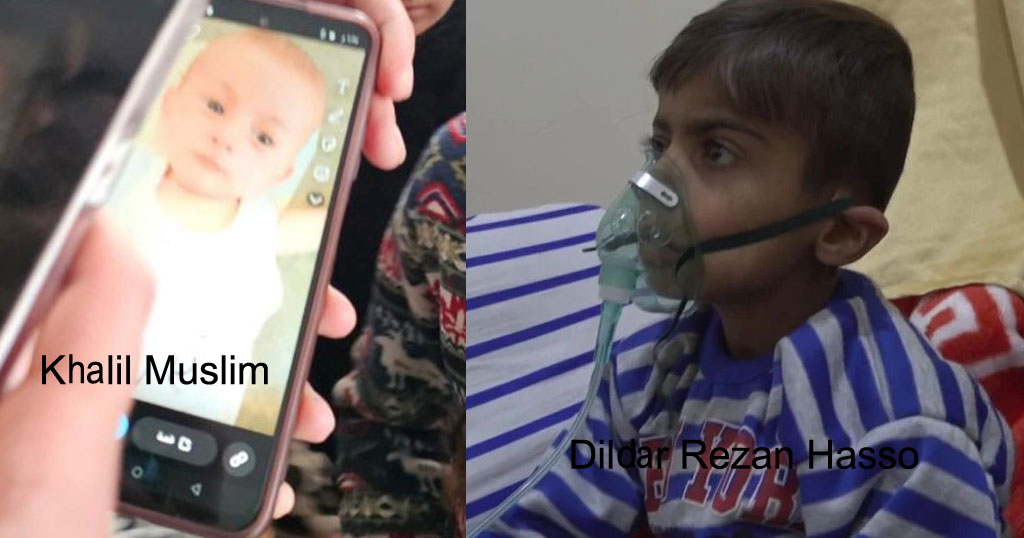
The health sector is experiencing severe depletion, as hospitals face a major shortage of medicines and medical supplies amid a lack of staff and resources. This has led to recorded deaths among children and patients due to their inability to reach medical centers outside the city.
In the markets, the prices of available goods have risen to unprecedented levels, while residents’ purchasing power has declined to record lows. Displaced families within the city are living in harsh humanitarian conditions, increasingly relying on limited individual and community initiatives that are insufficient to meet the growing needs.
Despite the signing of the 29 January agreement between the Syrian Democratic Forces (SDF) and the transitional government, the siege has continued since 18 January, alongside the ongoing internet blackout, restrictions on entry and exit, a ban on the entry of fuel, and a rising cost of living.
In addition, the southeastern countryside of Kobani has witnessed the deployment of forces affiliated with the transitional government in several Kurdish villages. Violations and thefts targeting residents’ homes have been documented, with houses reportedly emptied of their contents, along with recorded cases of assaults against civilians, despite more than 50 days having passed since the attacks began.
Residents have also expressed concerns about the imposition of policies that do not take into account the administrative, cultural, and legal particularities of the region, including the appointment of figures from outside the area to manage local affairs, which has sparked resentment and threatens the stability of the region.
Residents stress that the continuation of the siege and the imposition of restrictions hinder the implementation of the provisions of the 29 January agreement and negatively affect efforts to enhance stability and support recovery after years of war. They call on the transitional government to genuinely adhere to the terms of the agreement, particularly those related to preserving the specific character of Kurdish areas, including the city of Kobani.
Source: Violations Documentation Center in Northern Syria.