“Red Wednesday” (known as Çarşema Sor) stands as one of the most prominent religious holidays for the Yazidi community. It carries profound significance that transcends mere celebration, embodying the essence of the beginning of creation and the renewal of life according to Yazidi mythology. Observed on the first Wednesday of April according to the Eastern calendar (falling 13 days after the Gregorian calendar), it is considered the Yazidi New Year and one of the oldest festivals in the region’s history.
Wednesday: A Sacred Day in Yazidi Doctrine
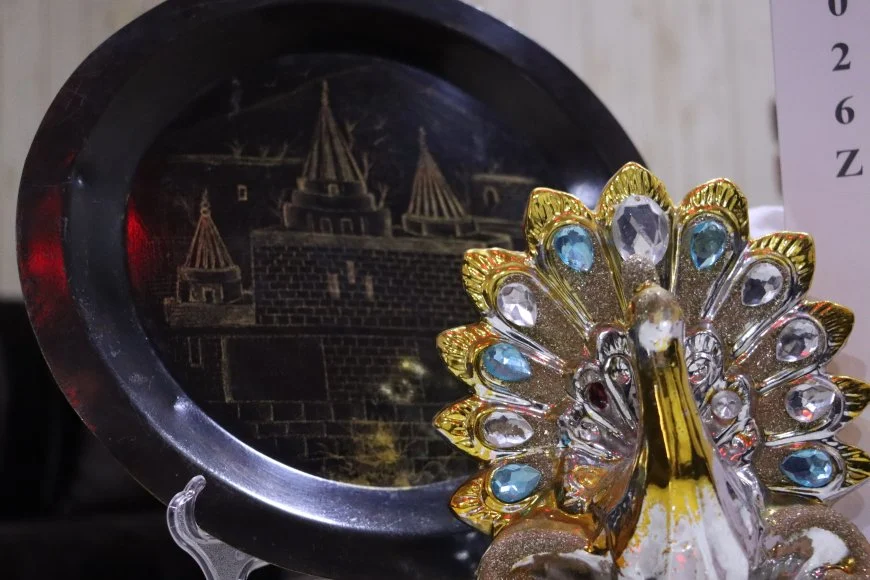
In the Yazidi faith, Wednesday holds a unique sanctity, similar to the holy days observed in other religions. It is viewed as the day God created “Tawûsê Melek” (the Peacock Angel) from His divine light, who is the supreme angel in Yazidi belief. It is also believed that the universe began to take shape on this day, and the Earth solidified for the first time before life subsequently began to emerge.
This day is also linked to the descent of Tawûsê Melek to Earth in the Lalish Valley in Southern Kurdistan—the holiest religious site for Yazidis. Due to this sanctity, Yazidis abstain from work or bathing on Wednesdays out of respect for its spiritual status.
The Feast of April: New Year and the Renewal of Nature
“Red Wednesday” is also known as the Feast of April or the Feast of Tawûsê Melek, marking the start of a new year and the end of the harsh winter season. According to Yazidi understanding, this day represents the moment of cosmic and natural renewal, where day and night are equal, and life returns to the Earth in the colors of spring.
The month of April is regarded as the “Bride of the Year.” Consequently, Yazidis refrain from marriage, engagement, or even tilling the soil during this time, viewing it as a sacred period dedicated to nature’s regeneration. These beliefs trace back to ancient roots shared with Mesopotamian civilizations, such as the Sumerians and Babylonians.
Symbolism of the Number Four: Cosmic Balance
The number four holds a special place in Yazidi doctrine, symbolizing cosmic balance. It represents the stages of life (birth, childhood, youth, old age), the four seasons, the four basic elements (water, air, earth, fire), and the four cardinal directions. This number reflects a philosophy of balance and harmony within the universe.
Holiday Rituals: Symbols of Life and Creation
The rituals of “Red Wednesday” manifest in symbolic practices reflecting the concepts of creation and renewal:
Decorating Homes: Preparations begin by gathering spring flowers (Khonaf) and decorating doorways with them along with eggshells, signaling the renewal of life and the invitation of goodness and blessings.
Lighting Lamps: At the Lalish Temple, attendants light hundreds of oil lamps using olive oil, symbolizing light, peace, and the continuity of life.
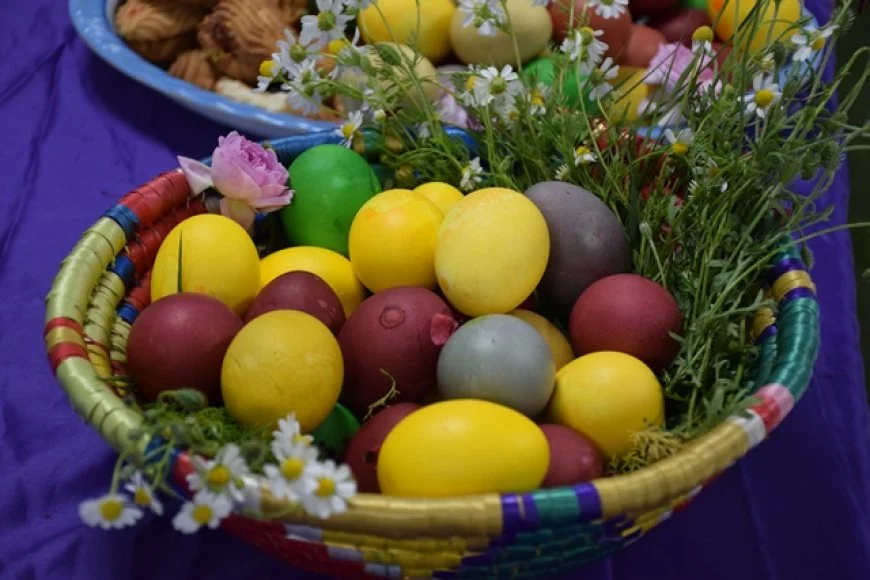
Coloring Eggs: This is one of the most prominent rituals. Boiling the eggs symbolizes the solidification of the Earth, while coloring them in various hues reflects the blooming and flourishing of nature with the arrival of spring.
On the morning of the feast, people visit cemeteries and holy sites to express spiritual connection, followed by social visits and the exchange of greetings in an atmosphere of community cohesion and the start of a new life cycle.
Deep Historical Roots
Studies indicate that this feast finds its roots in the civilizations of ancient Iraq, such as the Akitu and Zagmuk festivals held in April. These celebrations lasted several days and carried themes of creation and the beginning of the new year, reflecting a deep cultural continuity in the region.
A Message of Unity and Coexistence
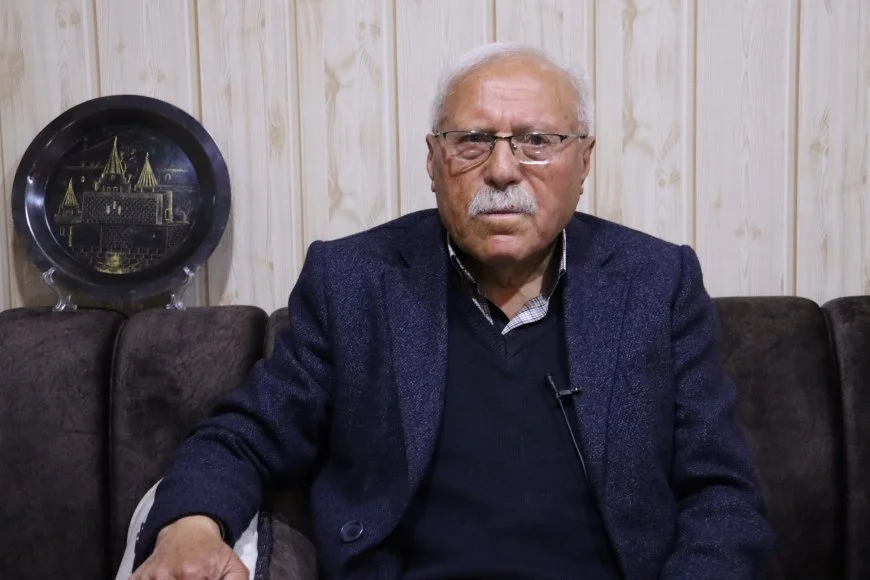
In this context, Fares Shamo, a prominent figure in the Yazidi community in the city of Tirbespiyê, emphasized that “there are some parties who claim Red Wednesday is linked to wars, but the true meaning is that when Tawûsê Melek came to the world, a new life began.”
Regarding the coloring of eggs, Shamo explained:
“The eggs are colored in many hues, each with its own symbolism. White always symbolizes peace, while the red egg symbolizes the moment Tawûsê Melek breathed spirit and blood into Adam’s body, at which point life stirred.”
Shamo further noted that the region encompasses a diverse “multi-colored” spectrum of components living together. “There is no difference between Kurds, Arabs, and Syriacs; we continue our lives together democratically. The spirit of Newroz, Akitu, and Red Wednesday clearly shows the features of this solidarity.”
In conclusion, Fares Shamo expressed his hope on this occasion that Kurdish unity would be strengthened, allowing them to stand as one hand to demand their rights everywhere, particularly in Syria.