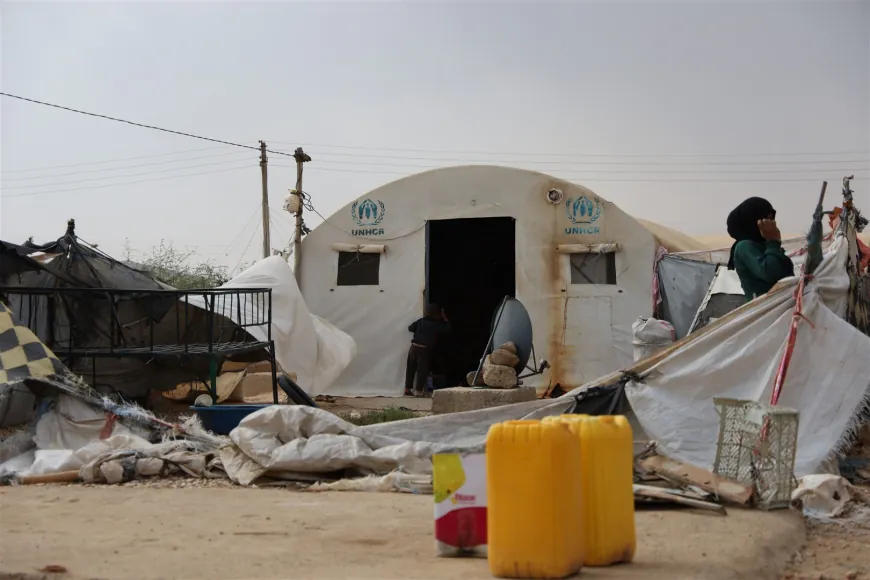
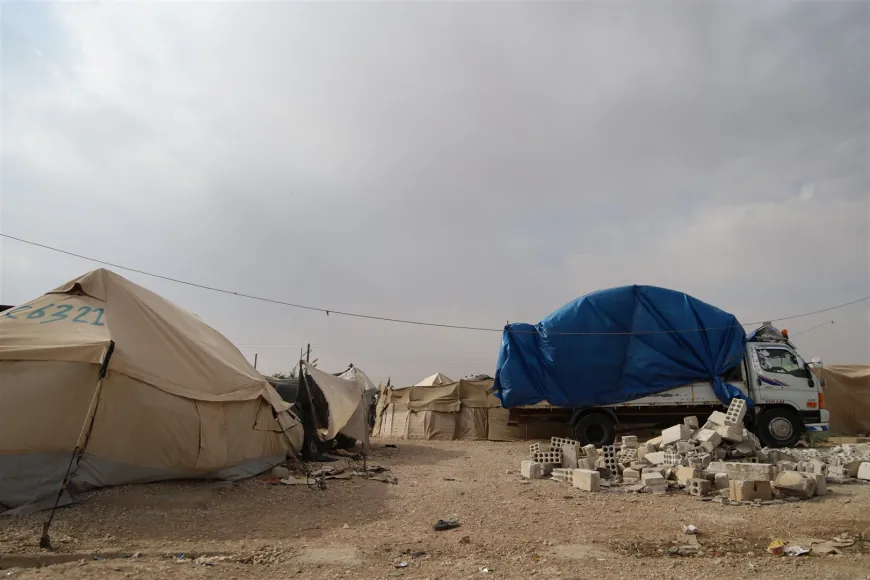
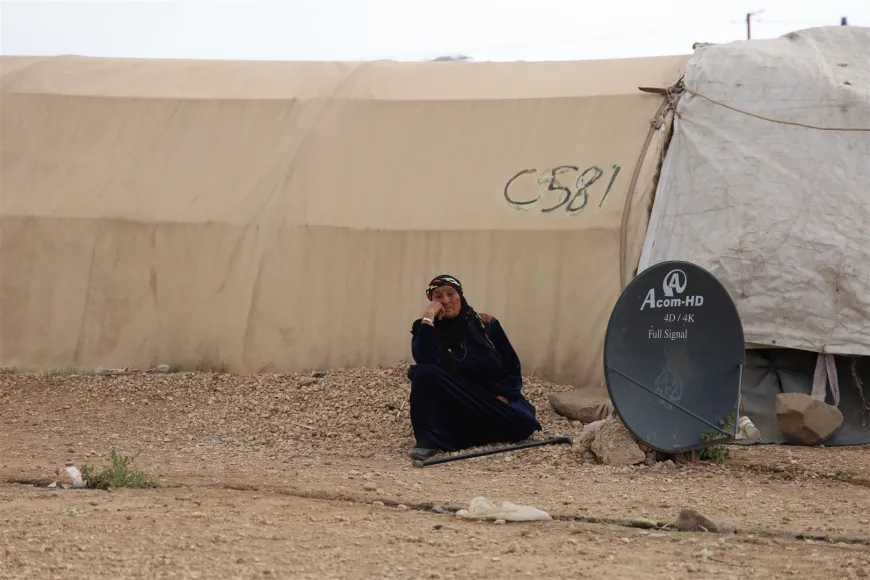
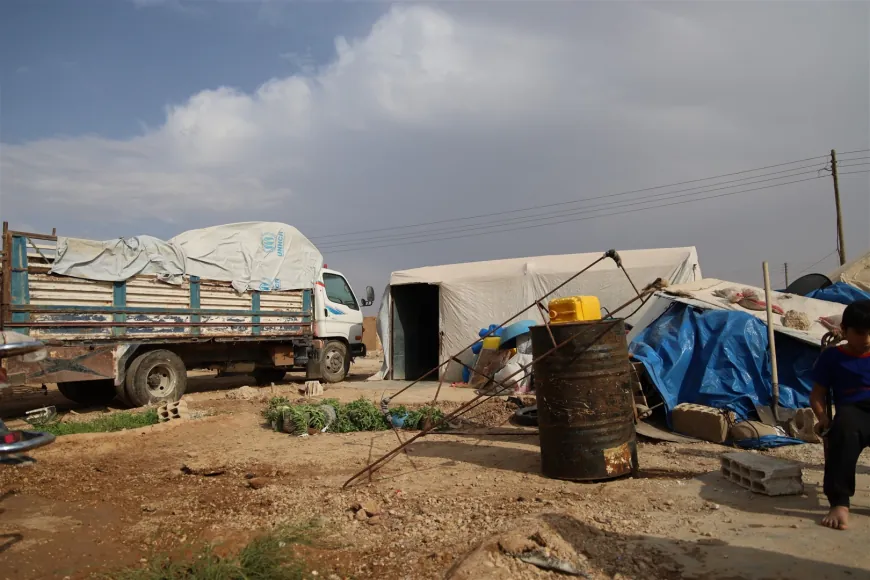
As winter approaches alongside a shortage of fuel and aid, displaced individuals demand the acceleration of their return and the provision of necessary support to withstand harsh living conditions.
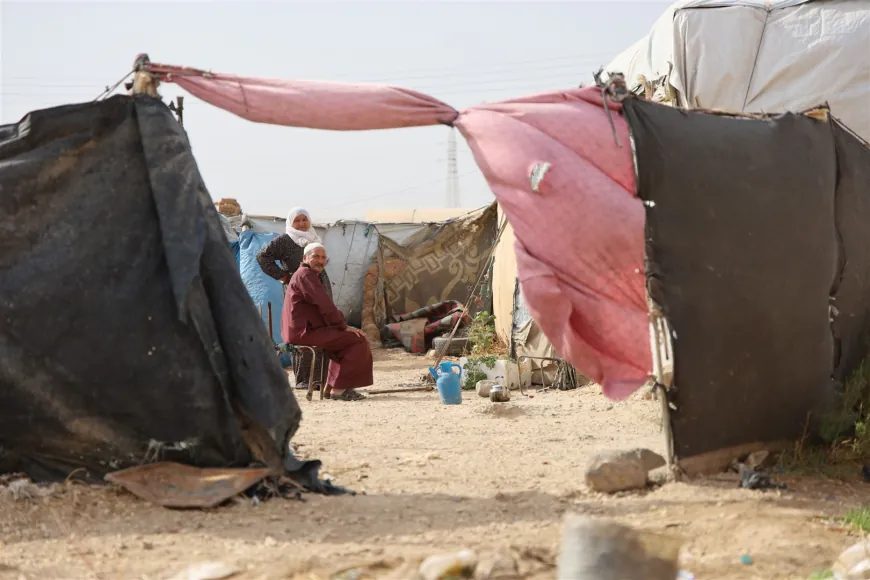
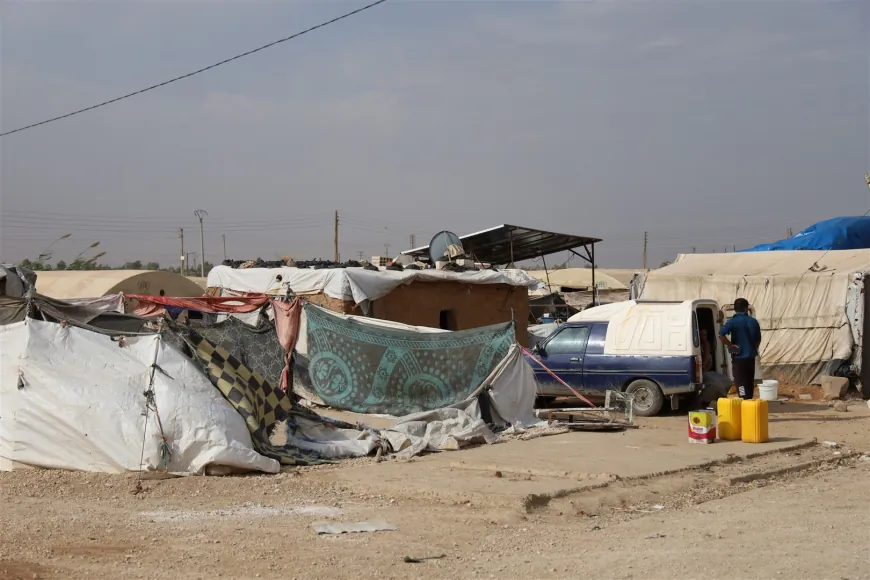
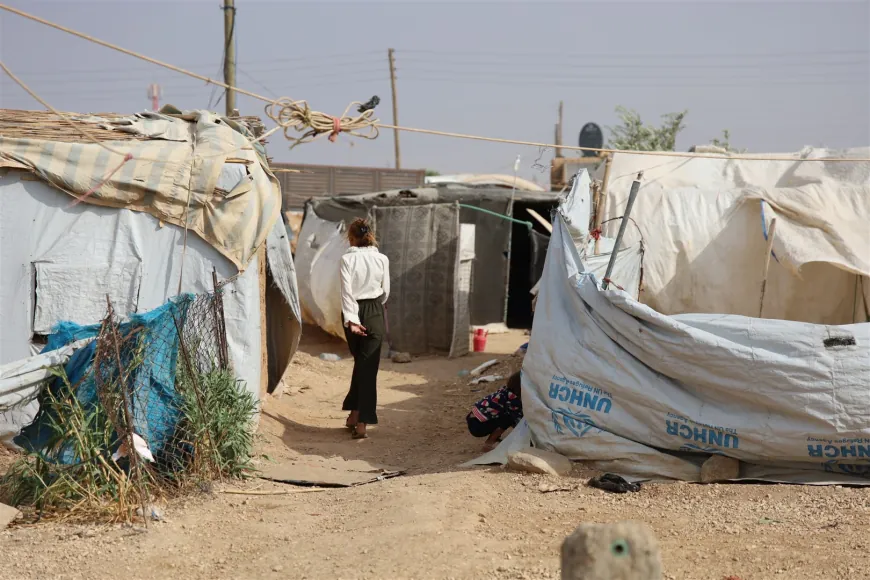
Concerns are growing among displaced people in the Washokani camp, located in the countryside of Hasakah in Western Kurdistan (northeast Syria), as another winter approaches in tents that fail to protect them from wind and rain. This comes amid a decline in humanitarian assistance and a severe lack of fuel and heating supplies. Meanwhile, they await their return to destroyed villages, fully aware that returning will be no less harsh than displacement due to the absence of shelter and basic necessities of life.
The camp shelters more than 2,000 families displaced from Serê Kaniyê as well as the countrysides of Tel Tamer and Zarkan. Living conditions continue to deteriorate as winter approaches, accompanied by complaints over aid shortages, bread cut-offs, and a lack of diesel fuel (mazot), which doubles the burden on families, particularly children.
Caught between the harsh camp conditions and the destruction of their homes and villages, the displaced remain committed to returning despite the impending hardships, calling for accelerated return procedures and the provision of aid to help them cope with the aftermath.
“Returning to Destroyed Villages Is Our Choice Despite the Absence of Basic Necessities”
Speaking to the Kurdish news agency Hawar, Khayer Al-Khadr, a displaced person from Al-Manajir village, described the conditions in the camp as “extremely dire,” noting the absence of aid and fuel. He added: “Nothing is left in this camp except ruin,” pointing out that bread supplies have also been cut off.
Al-Khadr stated that returning to their villages—despite the destruction that befell their homes—has become their choice, as tents fail to protect them from wind and rain. He added: “What we want is to return to our villages despite the destruction that hit our homes. But what other solution is there? Tents here have failed to protect us from the wind and rain.”
He warned that the return itself entails renewed suffering given the absence of basic living necessities, emphasizing that their demand is for assistance and support. He questioned: “With winter setting in, how will we be able to protect our bodies from the cold?”
Displaced Preparing to Return to Destroyed Homes
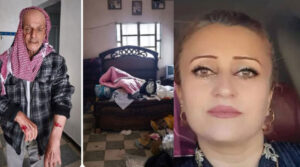
For her part, Amina Abbar, a displaced person from Al-Arisha village, explained that they had packed their tents and home furniture in preparation to return, before being instructed to halt after the trip was postponed without disclosed reasons.
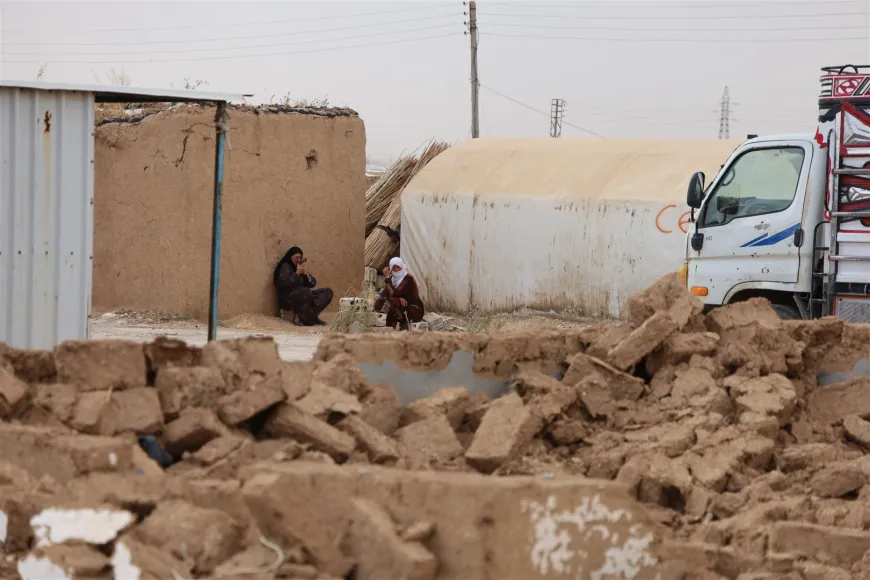
She said: “Our homes are destroyed; nothing remains of them except dirt. Upon returning, we will sleep on the bare ground. We are happy to return, but what awaits us is tragedy and suffering. We will sleep on the ground and rebuild our tents, and we will endure the cold of winter amid a lack of diesel fuel and any other heating materials.”
She called for accelerating the return process and providing the necessary support to the displaced to help them overcome the difficulties awaiting them in their villages, given the widespread destruction and lack of heating and adequate shelter.
Storms Threaten Families Inside the Camp
In turn, Jaber Abdel Rahman, a displaced person from Umm Al-Keif village in the countryside of Tel Tamer, said that the situation of families in the camps is “deplorable,” noting that a windstorm hit during the evening hours and nearly harmed his children, given their lack of basic life necessities.
He added that destroyed homes and delays in the departure of convoys headed to their areas compound the suffering of the displaced, explaining that they intend to return to their villages and rebuild their tents, even though many areas have nothing left but bare ground and rubble.
Abdel Rahman questioned how they could face the winter cold without fuel and heating supplies, calling for aid and support, and stressing that the situation of the displaced is “extremely tragic.”
He pointed out that years of displacement and accompanying suffering have made staying in the camps exceedingly difficult, adding that they feel pain far exceeding what they experienced over seven years, at a time when their eyes are set on returning to their villages.
The suffering of thousands of displaced persons from Serê Kaniyê (Ras al-Ayn) and other areas in northeastern Syria dates back to the Turkish military operation launched in October 2019 against local Kurdish forces, which caused widespread displacement. The Washokani camp was established near Hasakah to receive families forced to leave their regions.
The challenges facing the displaced are not limited to living conditions in the camps; they also encompass the destruction of homes and infrastructure, shortages of basic services, and concerns regarding return safety, mine clearance, and explosive remnants of war—alongside the need for guarantees ensuring a safe and dignified return.
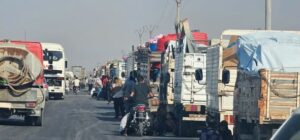
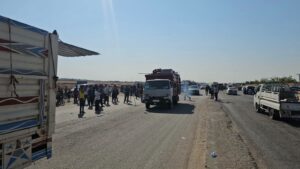
With organized return convoys commencing during 2026, displaced residents have renewed their calls to speed up the process, secure family needs, and compensate affected individuals while assisting them in repairing their homes. Meanwhile, some families continue to face the choice of moving from camp tents to other tents pitched next to their destroyed homes.
These conditions place the issue of return before a humanitarian and rights-based challenge that goes beyond transporting families from camps to their original areas; it encompasses providing shelter, basic services, and safety conditions to ensure that ending displacement does not turn into a new chapter of suffering in destroyed villages.
📷 ANHA
Note: This text is translated from the original Arabic version… Read the Arabic version:Click here