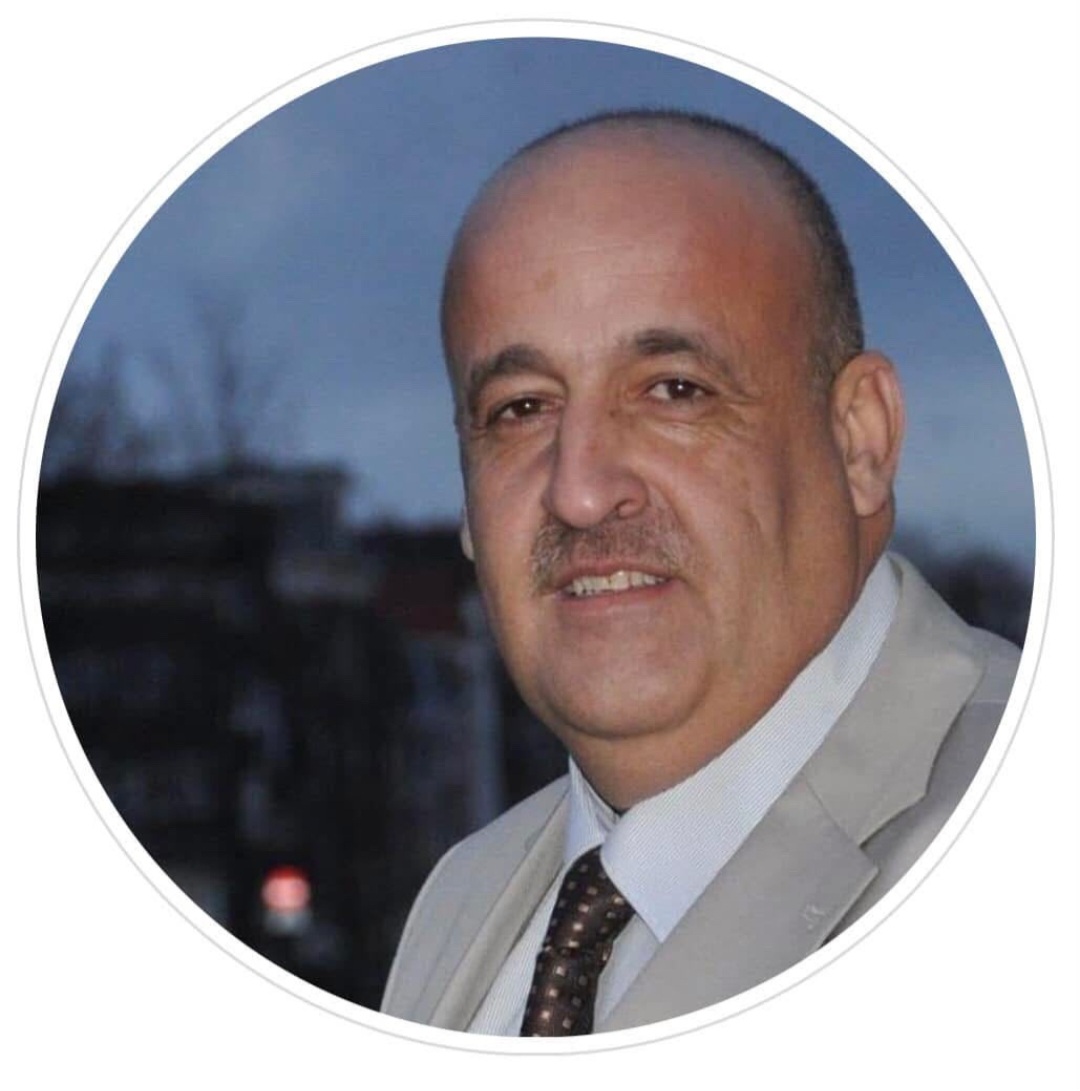
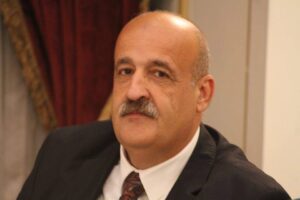
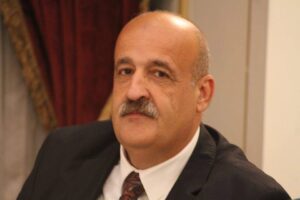
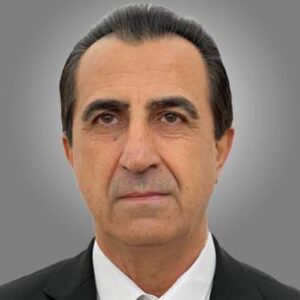
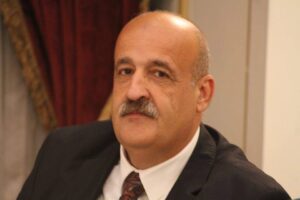
Fuad Othman / Journalist and Activist in the Field of Genocide
According to international standards, acts of genocide against the Barzanis were executed more than three times:
Forced deportation and displacement.
Exile and the imposition of a harsh life far from the land of their ancestors, and the denial of the right to return to it.
Preventing reproduction and procreation, and severing lineage.
Deliberate and systematic mass murder.
The people of Kurdistan commemorate the anniversary of another crime committed by the former regime, written in the blood of this peaceful and peace-loving people in the pages of history: the anniversary of the Barzani genocide. Today marks the forty-third anniversary of the genocide of the Barzanis. On July 31, 1983, the bloody regime committed a heinous crime that it added to its record of bloody atrocities, as part of a series of genocidal crimes against the Kurdish people. On the morning of that day, the Ba’athist regime surrounded the compulsory resettlement camps on the outskirts of Erbil and arrested young men and adults among the Barzanis who had previously been housed there. This occurred after their villages were destroyed in 1979 and they were deported and exiled, so to speak, to the south, before being brought back in 1980 and forcibly settled in camps in the Harir and Bahrka areas, as well as three camps in Qushtapa, as a first step in a plan for genocide. One month after their Anfal (disappearance), they were shot dead while alive in the deserts of Al-Muthanna Governorate and buried in mass graves.
On this sad occasion, we bow in reverence to the souls of the martyrs, and we extend our deepest condolences to ourselves, the families of the victims, and their loved ones.
When we speak of the crime of genocide according to international standards, we see that genocidal operations against the Barzanis were executed more than once. The deportation, displacement, exile, mass murder, and burying them alive all satisfy the elements of genocide according to the Rome Statute and international conventions on genocide.
The genocide of the Barzanis took place first through their deportation from their homeland under the pretext of border security, followed by their exile to Al-Diwaniyah Governorate and the denial of their right to live on the land of their fathers and grandfathers where they grew up, before being forcibly housed in harsh and enviable conditions. Less than a few years later, they were brought back to Kurdistan, but were forcibly settled in camps on the outskirts of Erbil, as mentioned above. Then, what happened on July 31, 1983, took place.
Furthermore, the destruction of villages, the burning of orchards and farms, and the plundering of the villagers’ economic resources and private wealth—including pastures and livestock—constitute another aspect of a series of methods classified as crimes against humanity.
According to international standards, preventing reproduction and birth is one of the methods considered genocide. This is precisely what the Barzanis were subjected to: the young and adult men were arrested and separated from the women and children, and the men were subsequently killed after being transported to the south, while the women and children were left in compulsory camps under harsh living conditions that human beings could rarely endure.
After arresting the young and old in the compulsory camps, the regime led more than 8,000 Barzanis to an unknown fate, then killed them in cold blood while they were alive, burying them in mass graves in the desert of Al-Samawah Governorate. They became numbered among the victims of Anfal, with nothing known about them and their fate remaining unknown until the discovery of the first mass grave after the fall of the regime.
Following the fall of the regime and the formation of the federal government, the fate of the Barzanis was tracked and investigated. Through a special committee, the remains of a number of them were located. Excavation and follow-up on this file continued, and several mass graves were found at the Al-Busiya site, from which 606 Barzani victims were returned in three phases:
On October 17, 2005, the remains of 503 victims were returned in the first phase, and 93 of the deceased were laid to rest in Barzan, buried in solemn funeral ceremonies.
On March 6, 2014, 93 victims of the Barzani Anfal were returned after their remains were found in the Busiya area of Al-Samawah Governorate.
In 2022, 100 Barzani victims were returned to their final resting place in the Barzan region.
If we closely examine the crimes committed by the Ba’athist regime against the Barzanis, we see that all these crimes contain the elements of genocide according to international conventions and the Rome Statute.
Forced deportation and displacement, preventing them from living on the land of their ancestors, depriving them of the breathtaking nature of their regions, exiling them to areas in southern Iraq, forcing them to live in harsh conditions, denying them the atmosphere of their homeland, preventing procreation by separating men from women, and committing genocide by mass murdering men and wiping them out of existence—all of these fall under the elements of genocide and crimes against humanity according to international standards enshrined in international conventions.
After the genocide of the Barzani males, the lives of Barzani women and children became increasingly difficult and arduous. They suffered double the hardship; the proud mothers in black abayas took the burden of life upon their shoulders, becoming both mother and father to their children simultaneously. They raised their children in extremely tragic and poor conditions, facing the hardships of life and destiny with heads held high and a steel will. On one hand, they acted as fathers to their children, earning a living for them through hard work and labor, and on the other hand, they raised their children with a deep Kurdish spirit. On this occasion, we must appreciate their role and place badges of honor and pride upon their chests.
Here, we must highlight the humanitarian role of the people of the city of Erbil. Despite the tyranny of the regime and its harsh treatment of anyone who extended a helping hand or assistance to the Barzanis, the people of Erbil paid no heed to fear or the regime’s threats. They opened their arms and the doors of their homes to the women who had no one left to care for them or their children, supporting them in easing their suffering after losing their loved ones.
In addition, many Barzani children were forced to drop out of school due to fear and the deterioration of their family life, while the women and the few elderly men who survived that brutal campaign lived in constant fear and perpetual apprehension. This painful situation that befell the people of Kurdistan and the Barzanis persisted under the rule of the Iraqi regime until the 1991 uprising.
After the establishment of the Iraqi High Tribunal, the genocide of the Barzanis was among the files settled by the court, which classified it as genocide, affirming that the genocide of the Barzanis constitutes genocide by all international standards. Therefore, on April 5, 2011, the High Tribunal issued its ruling recognizing the genocide of the Barzanis as genocide. Based on the provisions of the court’s decision, the victims of this massacre and other massacres classified by the court as genocide—including the Anfal, chemical bombardment, the genocide of the Feyli Kurds, and the forced deportation of Pshdar and Said Sadiq—must be granted fair compensation, and the resulting obligations must be executed in Iraqi civil courts. Furthermore, as the successor to the former Iraqi government, the Iraqi government must, as moral compensation, issue an official apology to the Kurdish people for the crimes committed against them.
On this occasion, the relevant Iraqi authorities, represented by the Martyrs Foundation (Mass Graves Department)—which is tasked according to Law No. (5) of 2006 (as amended)—must work to discover more mass graves, track the fate of the victims of the Barzani Anfal, and initiate a national campaign to conduct DNA testing and collect blood samples from the relatives of the Barzani Anfal victims. The relevant authorities must also work to establish a database containing comprehensive information on the victims, including the results of blood and DNA tests of the victims’ families.
Moreover, efforts must be intensified to improve the living conditions of the families of the Barzani Anfal victims in accordance with the provisions of Article (132), and to compensate the victims based on the ruling of the Iraqi High Tribunal regarding the recognition of the Barzani genocide as genocide.
Finally, the best way we can honor the souls of our martyrs is to unite and consolidate all our forces of all backgrounds to achieve the goals of the martyrs, set our differences aside, pull the Region out of this political stalemate, make dialogue and reconciliation the supreme goal, respect the will and citizenship rights of our people, improve the living conditions of the martyrs’ families, and fulfill their rights.
Once again, we bow in reverence to the blood of the noblest among us and to their pure souls.
Note: This text is translated from the original Arabic version… Read the Arabic version:Click here