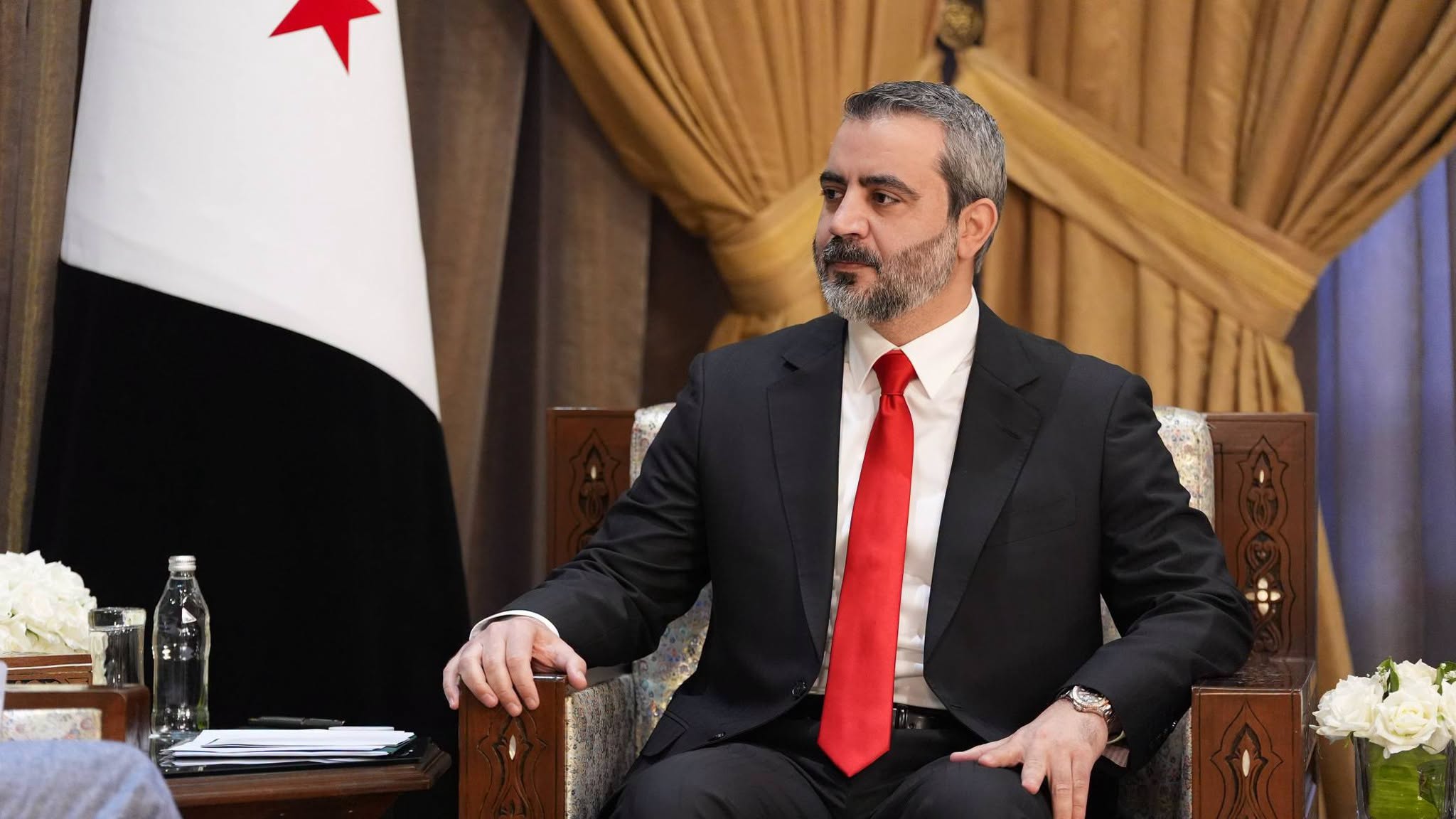
Questions and concerns are mounting in diplomatic circles regarding the management style of Syrian Foreign Minister As’ad Al-Shaibani. New information obtained by the Syrian Observatory for Human Rights (SOHR) highlights severe internal disputes and controversial decisions related to appointments and personnel management, opening a broader debate on authority boundaries, decision-making processes, and institutional standards within Syrian diplomacy during this critical phase.
Hijab Requirement Stalls Diplomatic Appointment in France
As’ad Al-Shaibani nominated a Syrian woman from Homs for a diplomatic position in France. Although the nominee received initial French approval, Al-Shaibani made wearing the hijab a strict prerequisite to proceed with the appointment.
Diplomatic Obstacle: The condition raised initial reservations from the French side, leaving the appointment procedures suspended.
Selection Criteria: This incident raises serious questions regarding whether religious or social considerations are taking precedence over professional competence in diplomatic assignments.
68 Diplomatic Appointments Coordinated with Turkey
Al-Shaibani independently selected 68 individuals for diplomatic roles in coordination with Turkey, including 7 ambassadors, 7 diplomatic counselors, and 54 consuls.
Political Affiliations: Most of the selected individuals previously held positions in or were closely affiliated with the Syrian National Coalition and Turkish-backed Syrian opposition bodies.
Foreign Influence Concerns: The move has sparked criticism regarding institutional transparency and the extent of foreign influence in shaping Syria’s diplomatic corps during the transitional period.
Internal Tensions: The Resignation of Qutaiba Al-Idlebi
Qutaiba Al-Idlebi, former Director of American Affairs at the Syrian Foreign Ministry holding US citizenship, resigned following administrative friction with Al-Shaibani during Ahmed Al-Sharaa’s recent visit to the United States.
Cause of Dispute: A private meeting took place between Al-Sharaa and Al-Idlebi in Washington. Al-Shaibani objected to the interaction, insisting that all communications with officials must go through his prior knowledge and approval.
Escalation: The dispute escalated into administrative pressures, ultimately prompting Al-Idlebi to submit his resignation.
Institutional Challenges Ahead
These combined developments place the administration of the Syrian Foreign Ministry under intense scrutiny regarding decision-making centralization, ministerial authority limits, and the influence of external actors on diplomatic appointments.
Resolving these challenges requires establishing clear, transparent, and institutional mechanisms for diplomatic assignments—grounded in merit, equal opportunity, and national interest to preserve the independence and integrity of Syria’s foreign service.
Note: This text is translated from the original Arabic version. Read the Arabic version:Click here