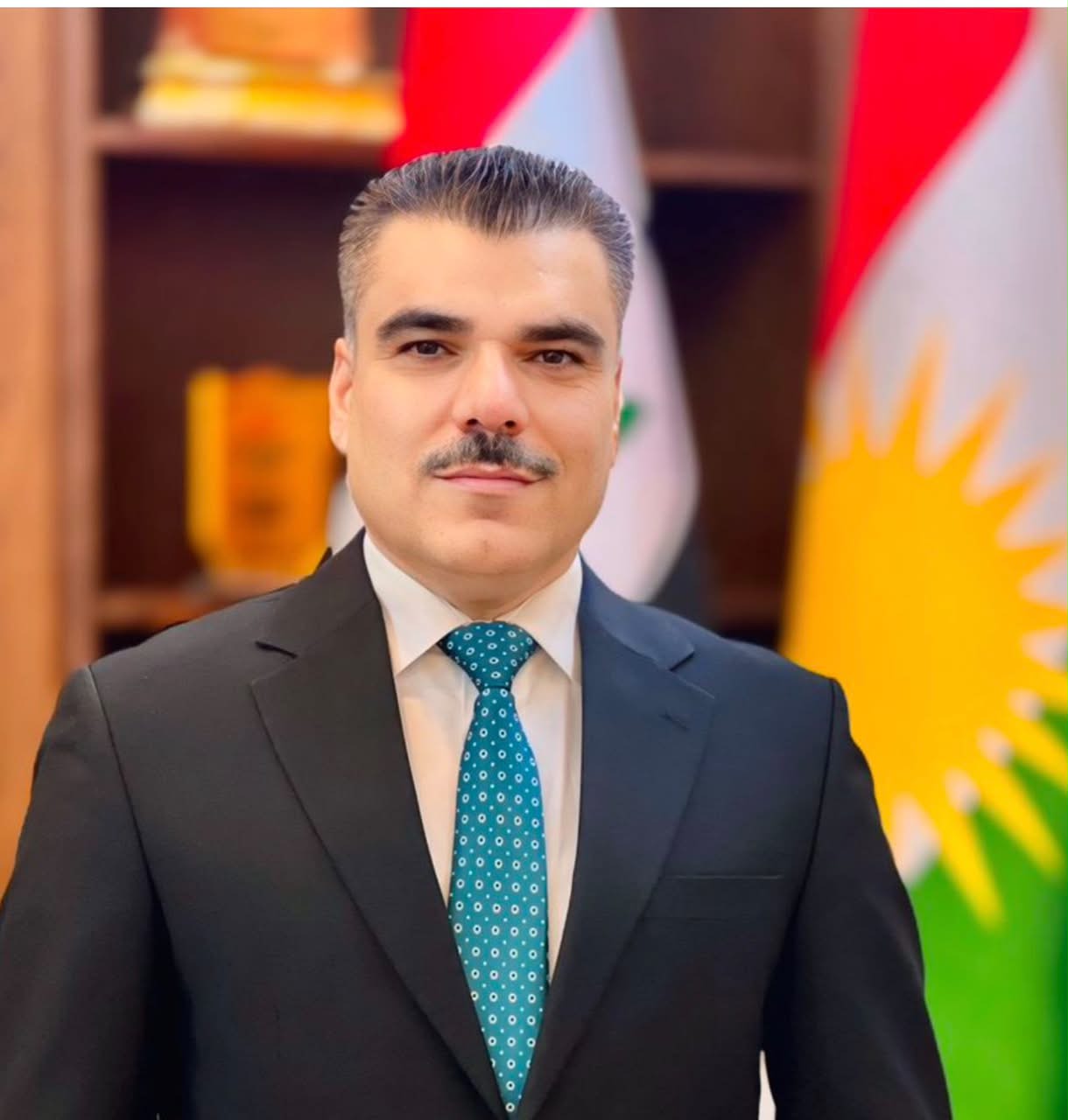
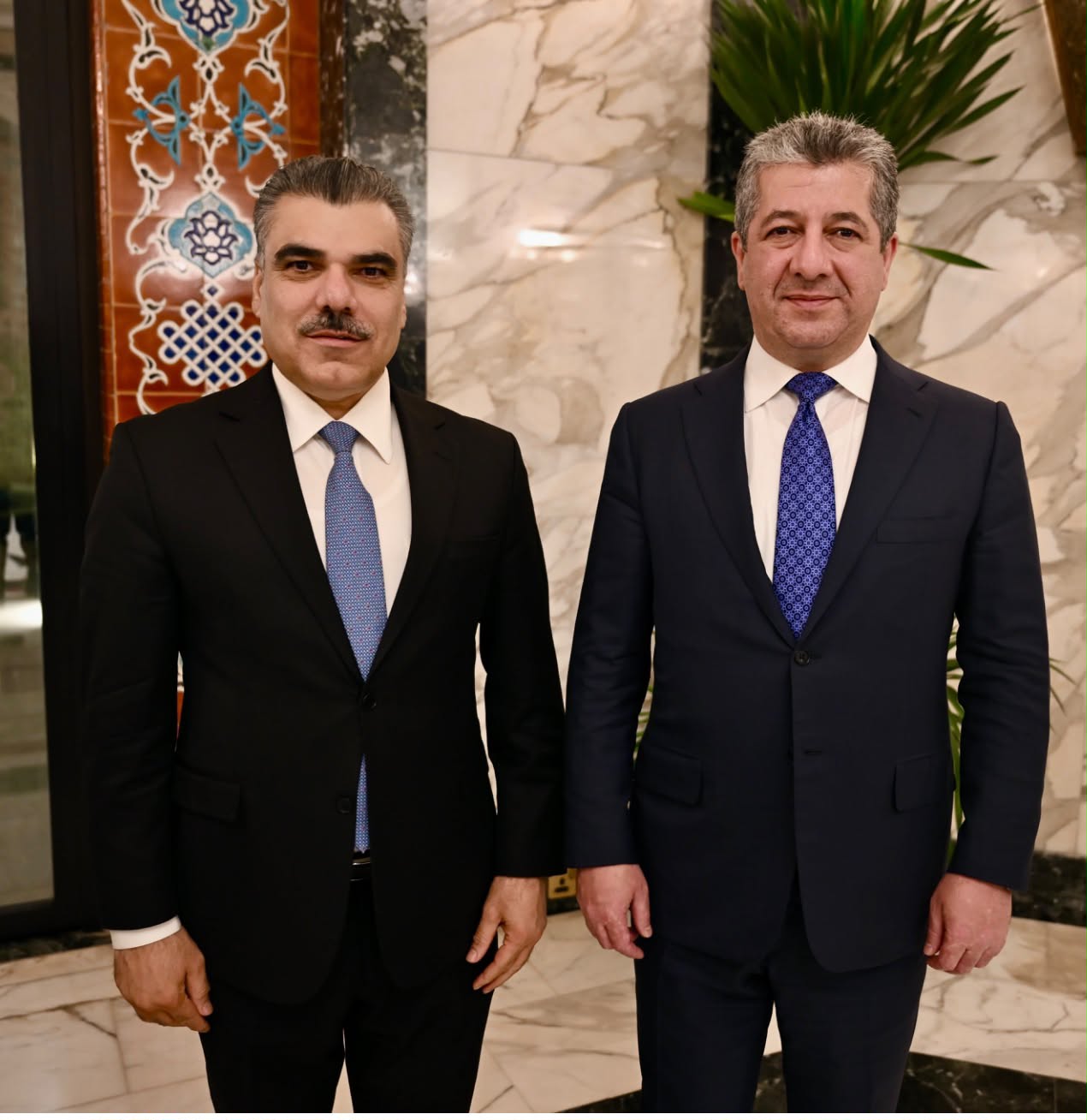
Faris Issa | Head of the Kurdistan Regional Government Representation in Baghdad
The tenure of the Ninth Cabinet of the Kurdistan Regional Government (KRG) witnessed a wide array of political, security, and economic challenges. This has rendered it one of the most complex phases in the history of successive regional governments, occurring amidst rapidly escalating and overlapping regional and domestic circumstances.
The government assumed its duties in the post-referendum era of the Kurdistan people, which generated a new political and security reality. This coincided with ongoing financial disputes with the federal government in Baghdad, alongside a decline in oil prices—a factor that reflected negatively on public revenues and imposed significant pressures on the budget and government institutions.
The Region also faced the repercussions of the COVID-19 pandemic, which directly impacted the economic, service, and investment sectors. This was in addition to the heavy burdens left behind by the war against the terrorist organization ISIS, during which the Kurdistan Region transformed into an advanced frontline in the confrontation against terrorism, leading to the depletion of resources and incurring substantial human and material losses.
On the humanitarian front, the Region welcomed approximately two and a half million internally displaced persons (IDPs) and refugees in one of the largest humanitarian response operations in the area. This placed additional pressure on infrastructure, financial resources, and service sectors at a time when the Region’s institutions continued to fulfill their core duties.
In facing these concurrent challenges, the Ninth Cabinet focused on ensuring the continuity of state institutions, implementing administrative and economic reform programs, and developing the energy, investment, and service sectors. This was accompanied by adopting a policy of dialogue with the federal government in Baghdad to address outstanding files within constitutional frameworks.
At the onset of his premiership, Mr. Masrour Barzani announced the outlines of the government program and its strategic priorities, emphasizing that the current phase demands institutional work, patience, and community cooperation to confront accumulated challenges and achieve the desired reforms. He also stressed that the people of the Kurdistan Region look forward to a great deal from their government, and that responsibility dictates working to meet these aspirations—despite the existence of files and challenges that require more time and effort to ensure their results reflect directly on the lives and well-being of citizens.
Despite the magnitude of these difficulties and challenges, the Ninth Cabinet succeeded in achieving a series of significant milestones across various sectors. Most notably, this included infrastructure development through the construction of roads and bridges, the building of several water dams, the success of the “Ronahi” project to provide 24/7 electricity, and the launching of the “MyAccount” (Hisabi) project alongside activating the banking sector. Furthermore, it encompassed the digitization of public services, the automation of government procedures, support for the agricultural sector, and the implementation of a broad package of administrative, economic, and developmental reforms that contributed to enhancing institutional efficiency and improving the quality of services.
From this perspective, the performance of the Ninth Cabinet cannot be evaluated in isolation from the nature of the circumstances under which it operated. An objective judgment on the performance of governments is tied to their capability in crisis management, maintaining stability, and ensuring institutional continuity, far more than it is linked to slogans or promises.
Perhaps the institutional dimension was one of the primary reasons for this success when Mr. Masrour Barzani chose to describe himself as a servant rather than adopting any other title or description. This message underscores that responsibility lies in serving citizens and enhancing the performance of institutions. Conversely, within popular and media circles, his name became associated with the description of “the resilient Prime Minister.” Thus, the concepts of service and resilience merged into a single image, together forming the headline of an experience characterized by confronting challenges and continuing to work for the Region and its citizens.
Moreover, the indicators achieved during this phase—whether in the field of financial and administrative reforms, infrastructure development, diversification of income sources, or the enhancement of public services—reflect a orientation toward building more sustainable foundations for the Region’s future, despite the scale of challenges imposed by exceptional circumstances.
Accordingly, the experience of the Ninth Cabinet should be read as an exceptional governance phase where political, security, economic, and humanitarian crises intertwined. This made the true benchmark of evaluation lie in the capacity for resilience, the sustained delivery of services, the preservation of institutional stability, and the continuation of the journey toward reform and development. Consequently, resilience transformed from a mere stance in the face of crises into a daily approach to administration and governance, and a prominent headline for a political experience that sought to turn challenges into opportunities, and crises into drivers for continued progress, construction, and the well-being of the citizens and their Region.
Note: This text is translated from the original Arabic version… Read the Arabic version:Click here