Documentation of Archaeological Discoveries in the Sharran and Bulbul Districts Amid Measures to Protect the Region’s Historical Heritage
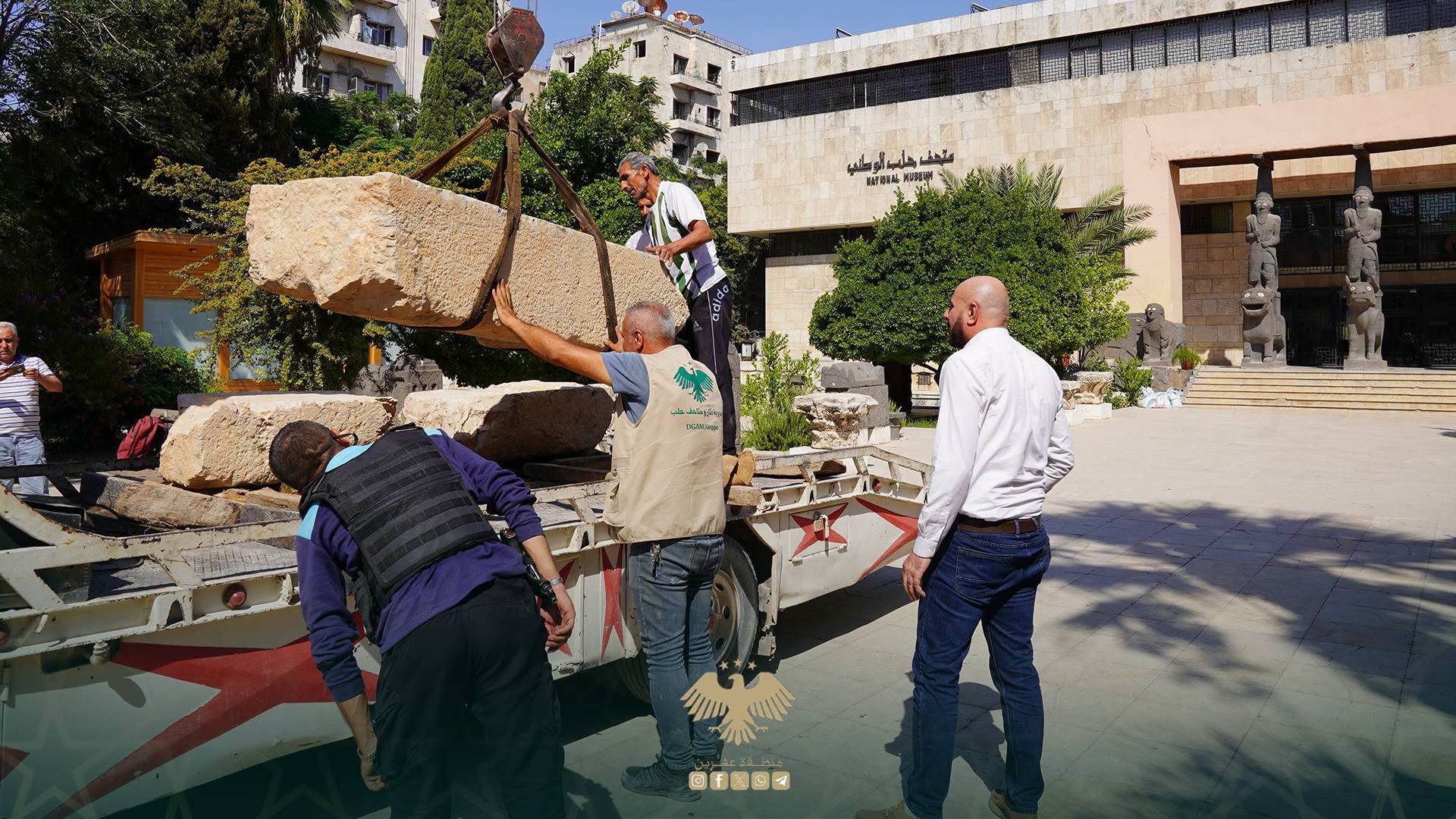
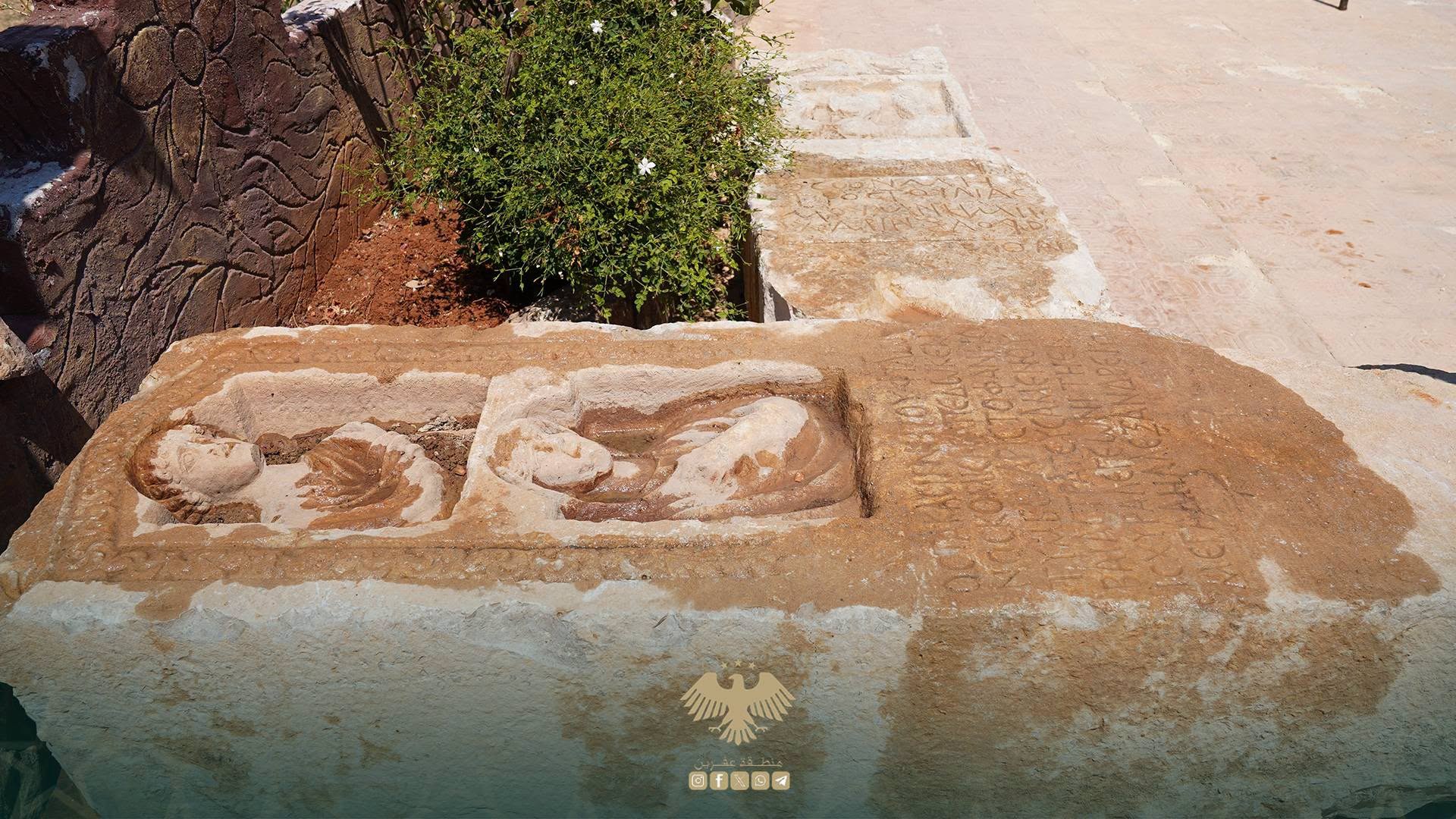
Competent authorities in the Kurdish region of Afrin have uncovered an ancient tomb and a collection of artifacts, including funerary stelae and an obelisk bearing ancient Latin inscriptions. The discoveries were made in two separate operations conducted through cooperation between the Afrin Region Administration, relevant archaeological authorities, and the Joint Police, prior to documenting the finds and transferring them to the Aleppo National Museum.
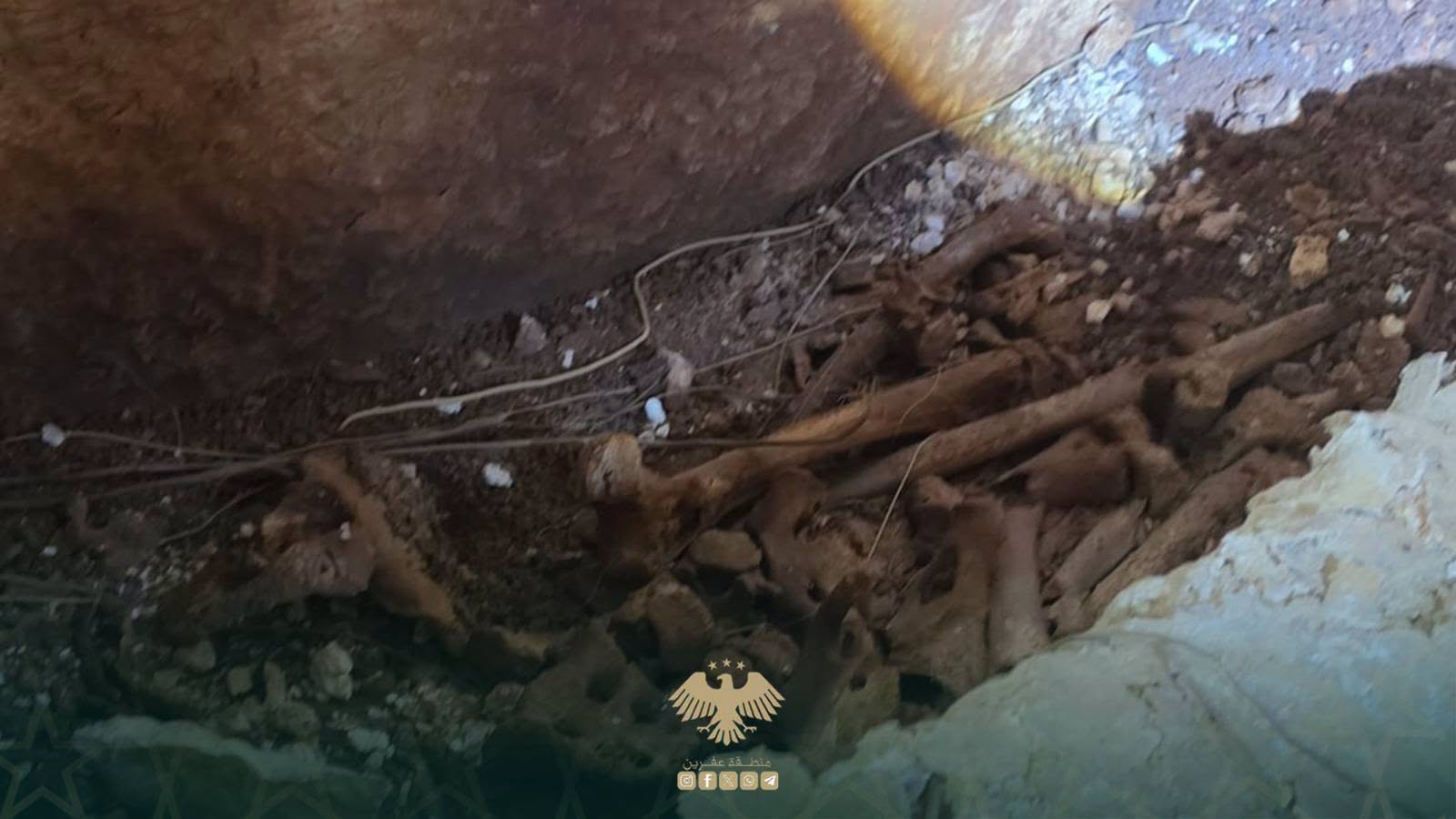
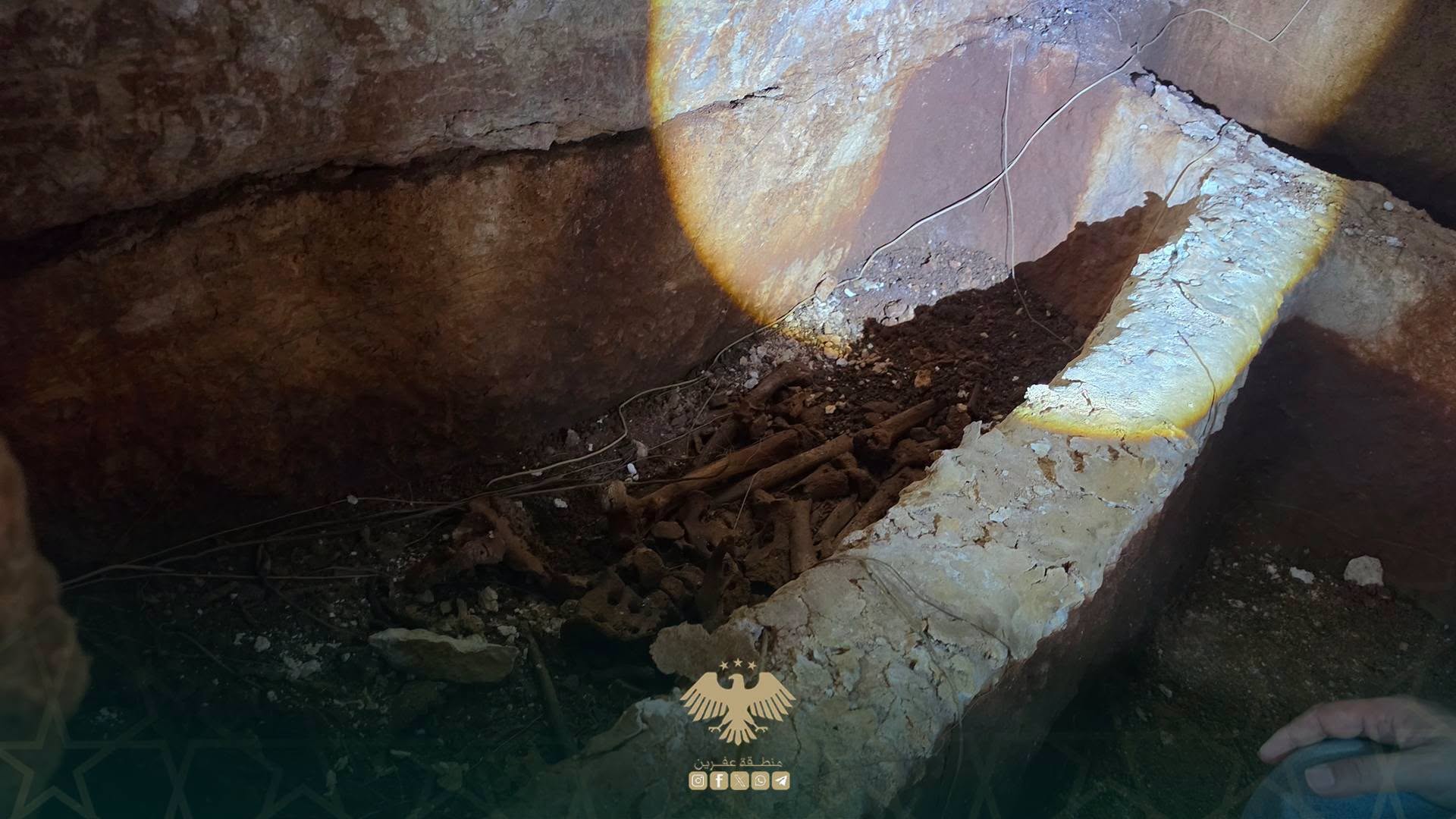
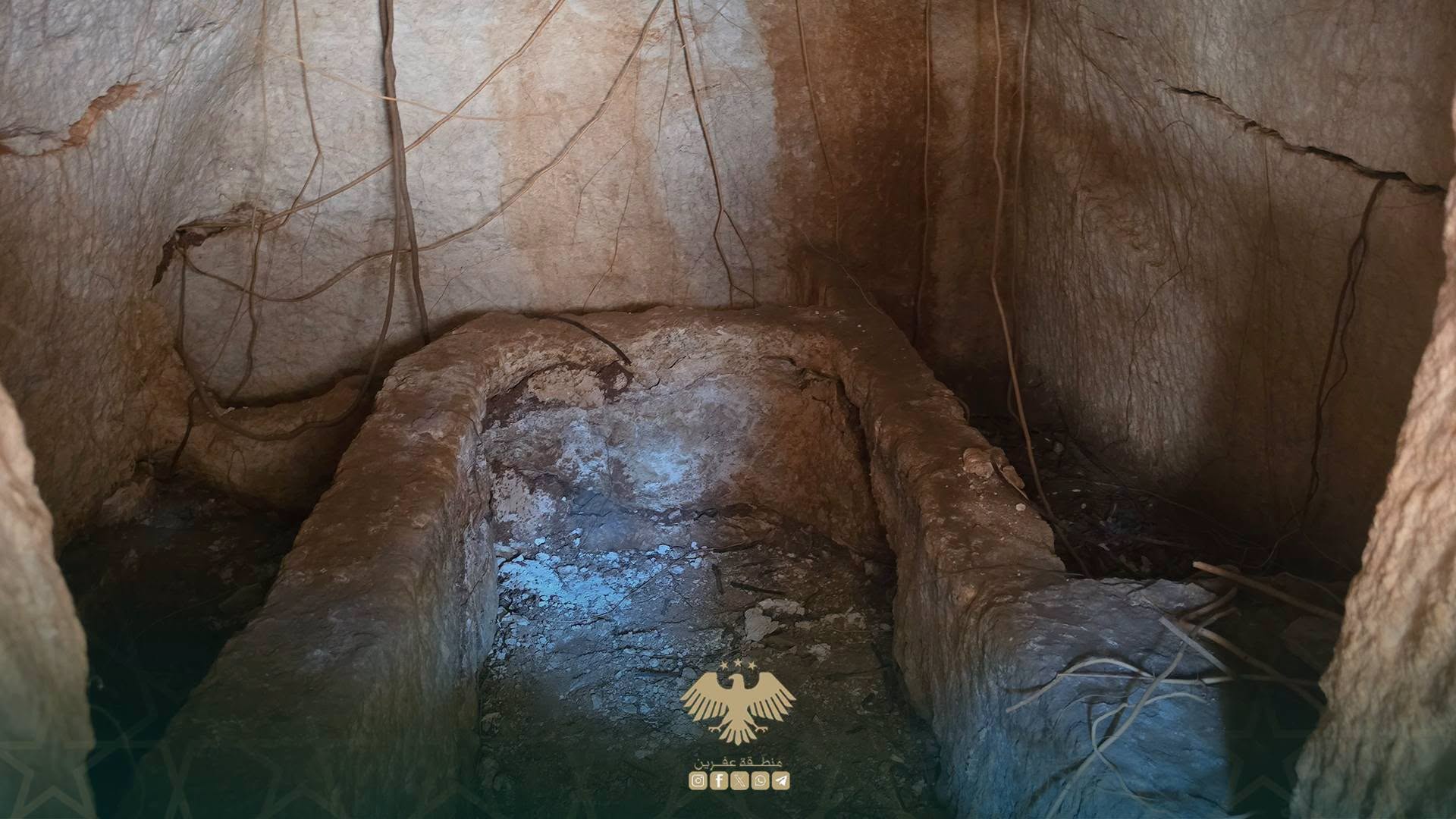
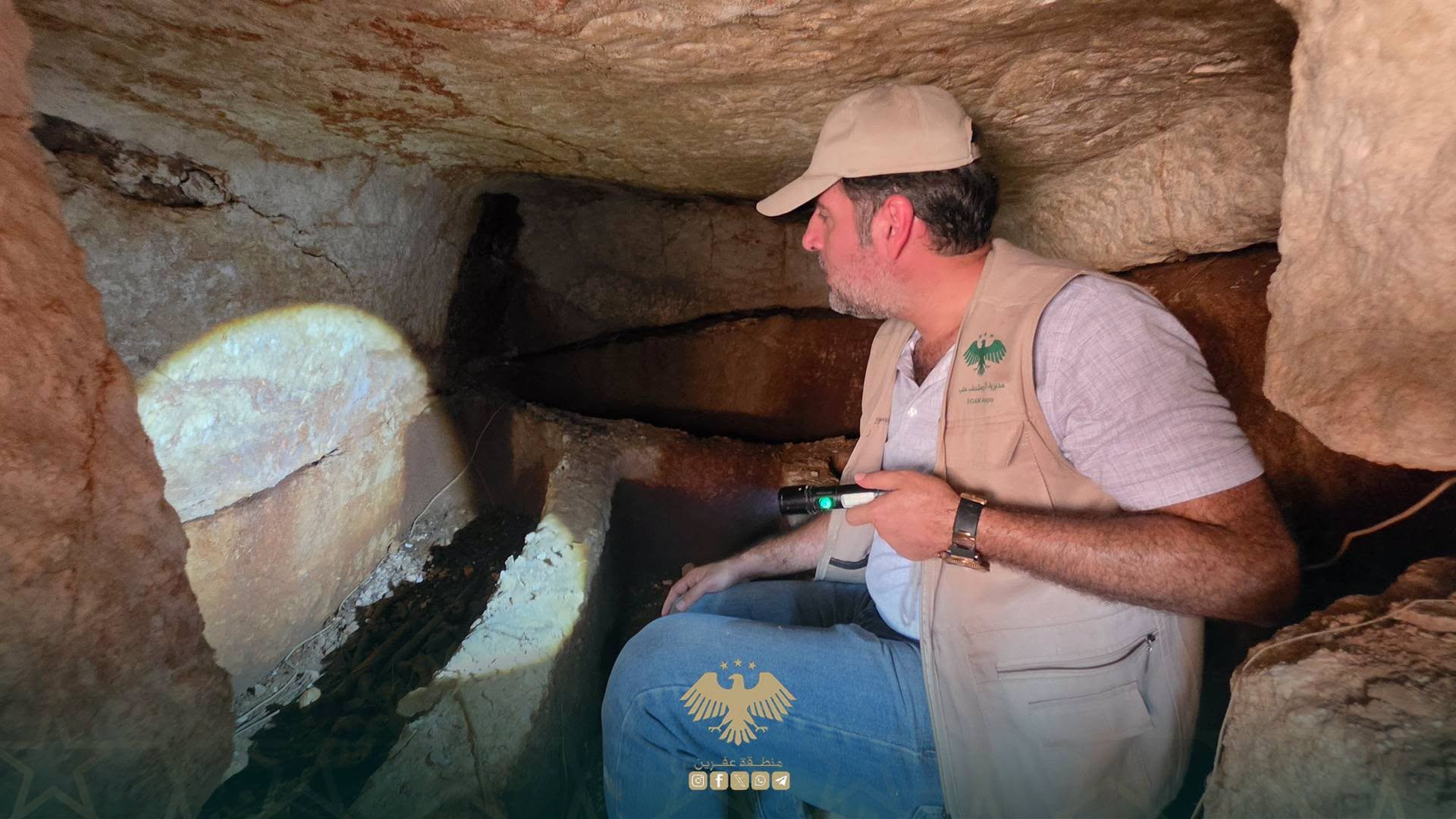
In the Sharran district, the Afrin Region Administration, in cooperation with the Directorate of Antiquities and Museums of Aleppo and the Sharran District Police, announced the discovery of an archaeological tomb found during excavation work for a water line between the villages of Jamanli and Imranli.
According to the statement, a specialized team from the Department of Excavation and Archaeological Studies and the Afrin Antiquities Office documented the tomb and its contents, before transferring the archaeological finds to the Aleppo National Museum for preservation and protection in accordance with established protocols.
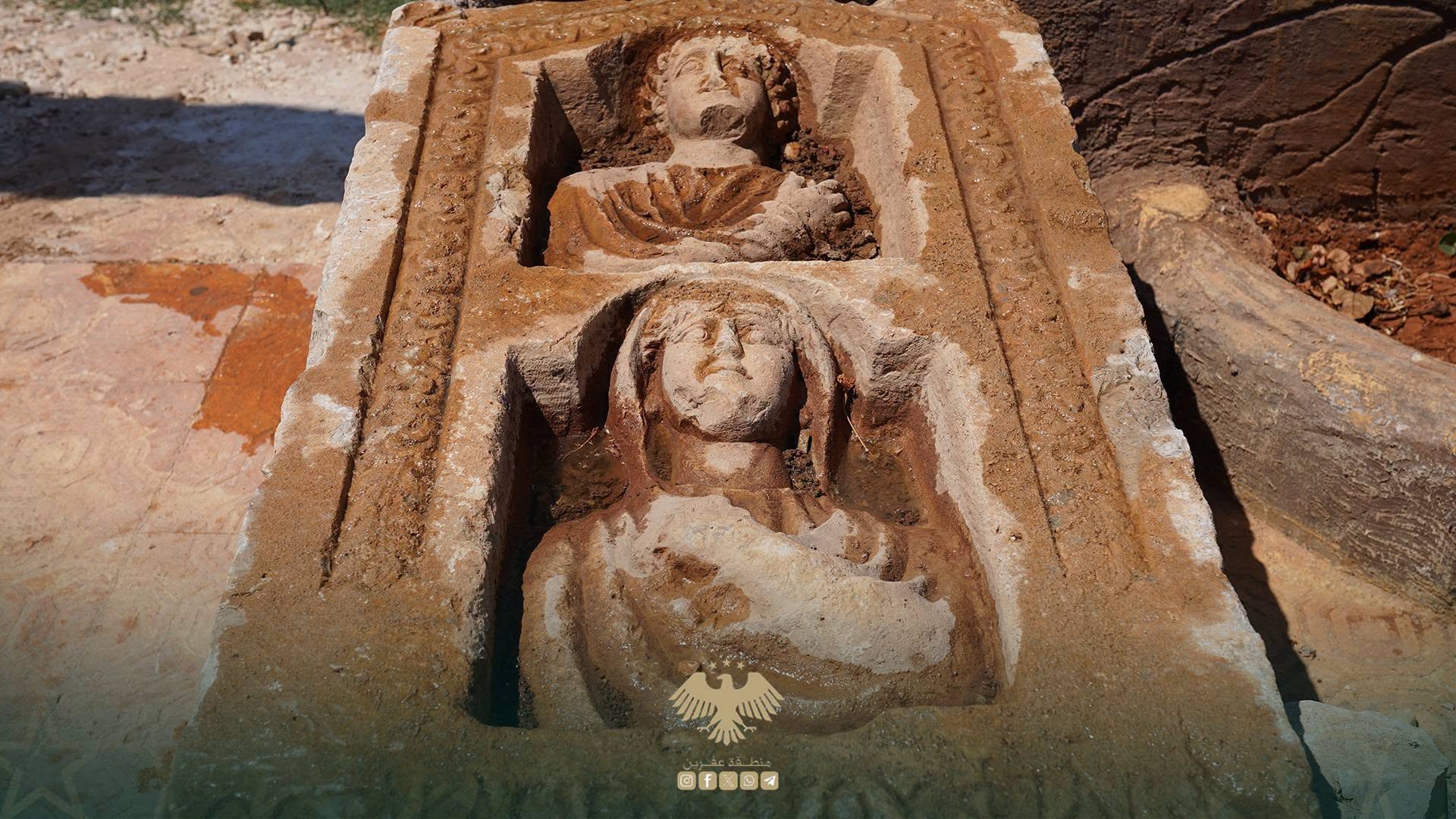
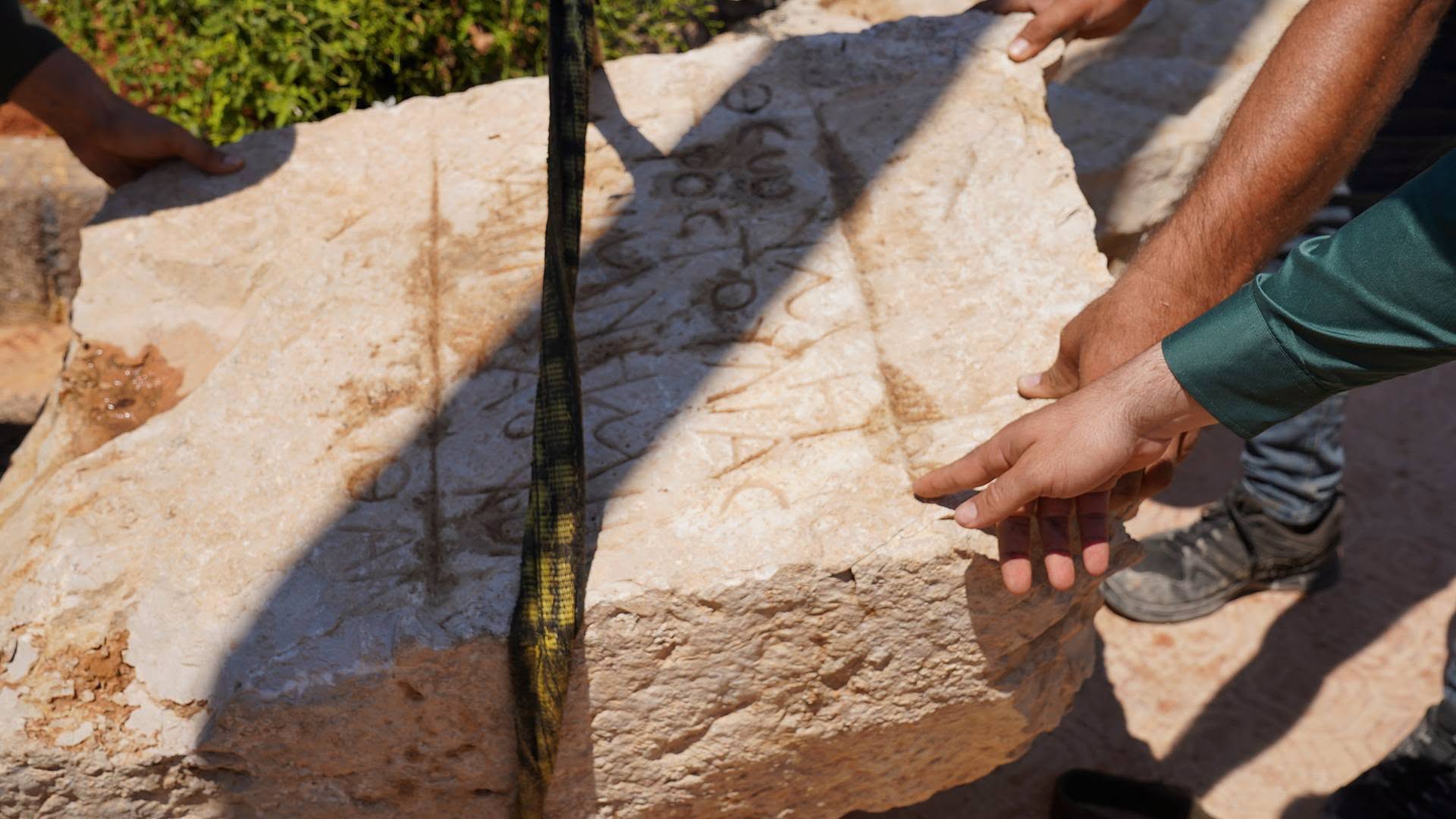
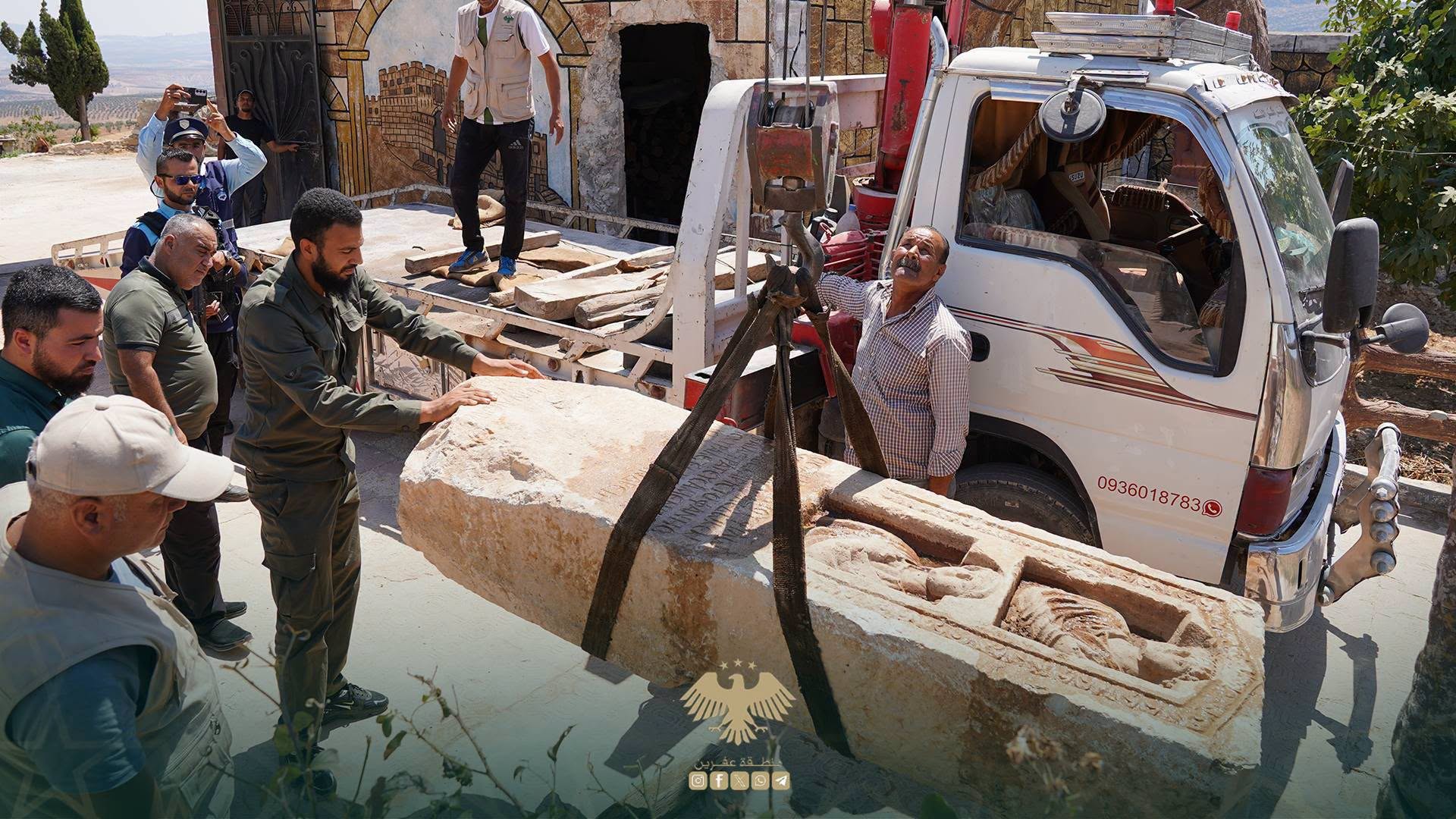
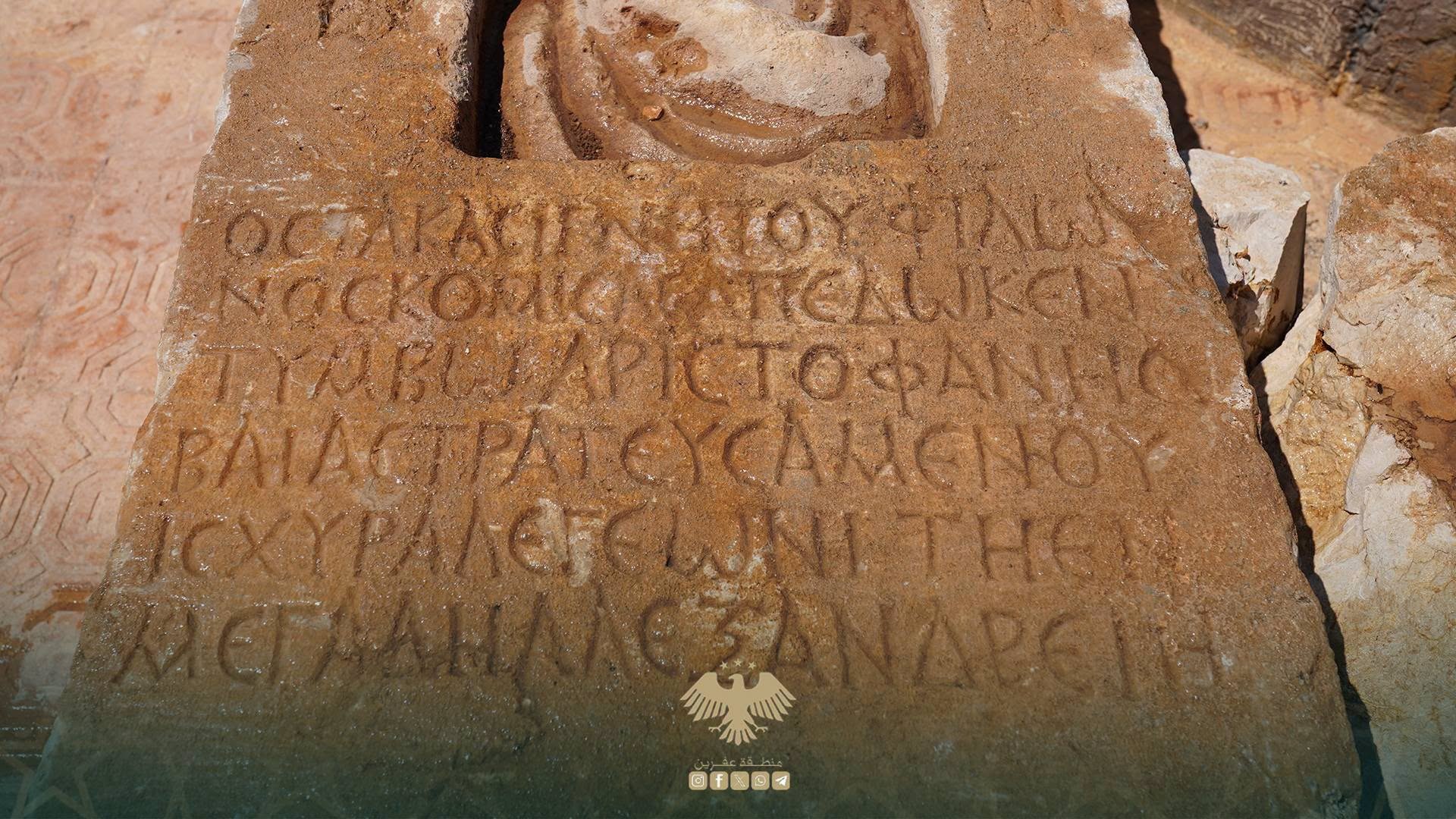
In the Bulbul district, information received regarding the presence of artifacts in one of the villages led to the discovery of a collection including funerary stelae and an archaeological obelisk bearing ancient Latin inscriptions. This was carried out through cooperation among the Afrin Region Administration, the Directorate of Antiquities and Museums of Aleppo, the Afrin Antiquities Office, and the Joint Police.
The discovered artifacts were documented and transferred to the Aleppo National Museum, where they were preserved within official archaeological records and holdings, following established procedures for the protection and preservation of antiquities.
According to statements from the Afrin region, both operations fall within the framework of protecting and preserving the region’s cultural heritage and maintaining its historical and archaeological evidence.
The discovery of the artifacts in the Bulbul district comes at a time when archaeological sites in the Afrin region have suffered extensive damage, looting, and bulldozing in recent years. A recent study published in the journal Heritage, whose findings were released in a report last July, indicated that 116 out of 199 Syrian archaeological sites studied were subjected to varying degrees of looting. Afrin was among the areas subjected to high levels of mechanical bulldozing, particularly between late 2018 and 2025.
The report addressed prominent archaeological sites in the region, including Ain Dara and Nabi Huri (Cyrrhus), noting that they were subjected to damage and bulldozing operations, which increases the importance of documenting archaeological finds and sites and protecting them from destruction or loss.
Note: This text is translated from the original Arabic version… Read the Arabic version:Click here