A number of participants at the “Shal u Shabak/ Şal û Şapik” festival in Zakho praised the event, stressing that it formed a Kurdish mosaic reflecting their adherence to their authentic heritage that narrates the history of their ancestors, while pointing out the deep-rooted cultural status of this event.
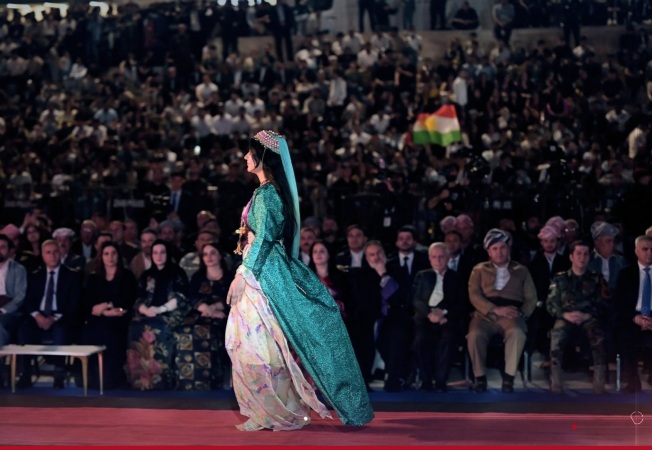
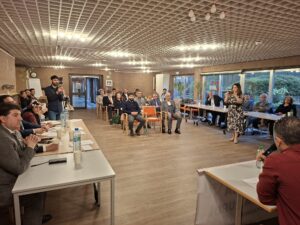
In a scene reflecting the richness of Kurdish heritage and its cultural diversity, the city of Zakho hosted the activities of the fourth edition of the “Shal u Shabak” Kurdish Costume Festival on June 11 and 12. The event brought together participants and visitors from various Kurdish regions in a cultural occasion aimed at highlighting the Kurdish identity and preserving popular heritage for future generations. The festival provided a space for meeting and acquaintance among people from different Kurdish regions, where traditional costumes, folklore songs, and folk arts came together in a cultural tableau embodying the depth and diversity of Kurdish history.
The events witnessed the presence of cultural, artistic, and social figures, along with participating delegations and groups arriving from multiple Kurdish cities and regions, where costumes representing the uniqueness of each region and expressing its inherited customs and traditions were displayed. The festival also included a number of cultural and artistic activities and folklore performances that gave attendees the opportunity to learn about different aspects of Kurdish heritage, highlighting its rich diversity and distinctiveness.
A Forum for Generations and Cultures
Arin Ali, a member of the relations committee of the Culture and Art Movement who participated in the “Shal u Shabak” Kurdish Costume Festival, expressed her happiness to take part in this cultural event. She emphasized that the festival is not limited to displaying traditional costumes, but rather constitutes an important opportunity to gain a deeper understanding of the rich Kurdish history and its cultural diversity. She explained that Kurdish costumes carry within their details and colors stories that reflect the identity of the Kurdish people and their heritage that spans across generations.
She added: “The festival brought together participants from different regions of Kurdistan, allowing for the exchange of experiences and learning about the diverse customs and traditions of each region, in addition to enjoying the musical and folklore performances that embodied the authenticity and spirit of Kurdish art.”
She pointed out that these events contribute to reinforcing the sense of belonging to Kurdish culture and consolidating it among younger generations, as well as introducing visitors to the beauty of Kurdish heritage and its historical depth.
She also spoke about the “Rojava” group participating in the festival, which included ten people who came from different regions in Rojava, including Derik, Qamishlo, Afrin, Al-Hasakah, and other areas: “The group’s participation reflected the rich cultural and social diversity of the Rojava regions, and contributed to conveying an image of the local heritage and customs of each region through costumes, songs, and folk arts.”
She stressed that the presence of participants from multiple regions within a single delegation enhanced the spirit of unity and fraternity among the Kurdish people, and provided an opportunity to introduce the culture of Rojava to participants and visitors coming from all over Kurdistan.
Arin Ali praised the Kurdish mosaic that manifested in the Zakho festival, where Kurds from various regions gathered, bringing with them their diverse cultures, heritage, and arts.
She explained that each participant expressed the region they came from through their traditional costume and songs, which added rich and varied cultural colors to the festival: “This diversity was not a factor of division; rather, it formed an integrated mosaic reflecting the unity and cohesion of the Kurdish people, showing how different dialects, customs, and costumes meet under the umbrella of a shared Kurdish identity that unites everyone.”
Social Fabric and Kurdish Authenticity
For his part, Ibo Hami, a participant in the Rojava group’s Dabke section, expressed his hope that the Kurdish Costume Festival in Zakho would continue on an annual basis, due to its great importance in preserving Kurdish heritage and educating new generations about their culture and history.
He noted that such events contribute to strengthening Kurdish unity and reinforcing ties among the Kurdish people from different regions. They also provide a space to introduce the arts, costumes, customs, and traditions that form an essential part of the Kurdish identity: “The continuity of the festival year after year makes it an important cultural platform that reflects the richness and diversity of Kurdish culture to the world.”
He continued: “We hope that the Kurdish Costume Festival will turn into an annual event organized not only in Zakho, but in various countries around the world, to serve as a bridge for introducing Kurdish culture and its rich heritage.”
Ibo Hami believes that the Kurdish people possess a diverse and distinct cultural legacy that deserves to be known on a wider scale, pointing out that Kurdish costumes, arts, and folklore songs reflect an ancient history and a unique cultural identity: “Holding such festivals on an international level would contribute to delivering a true image of Kurdish culture and enhancing its presence among the peoples of the world, due to its characteristic diversity, beauty, and authenticity.”
Festivals are an indispensable step to preserve the Kurdish heritage from being lost: “With development and cultural openness to one another, it becomes difficult to maintain the authentic heritage of a society. Here lies the importance of these festivals, which preserve heritage and culture and hand them down to future generations.”
The festival was not limited to being an occasion to celebrate Kurdish costume; rather, it turned into a unifying cultural platform that stressed the importance of communication among the Kurdish people and the reinforcement of cultural ties between them. Through the wide participation it witnessed, the festival succeeded in presenting an image that reflects the richness of Kurdish culture and its ability to maintain its authenticity despite differing regions and diverse customs. It thus delivered a cultural message affirming that this diversity represents a source of strength and unity for the Kurdish people, as concluded by Ibo Mohamed at the end of his speech.
It is worth noting that the festival included a massive market and exhibition with the participation of 20 commercial shops to display traditional (Shal u Shabak) fabrics and embroideries. The activities also included roaming musical and vocal performances by artistic groups, in addition to academic seminars.
Ronahi Newspaper
Note: This text is translated from the original Arabic version… Read the Arabic version:Click here