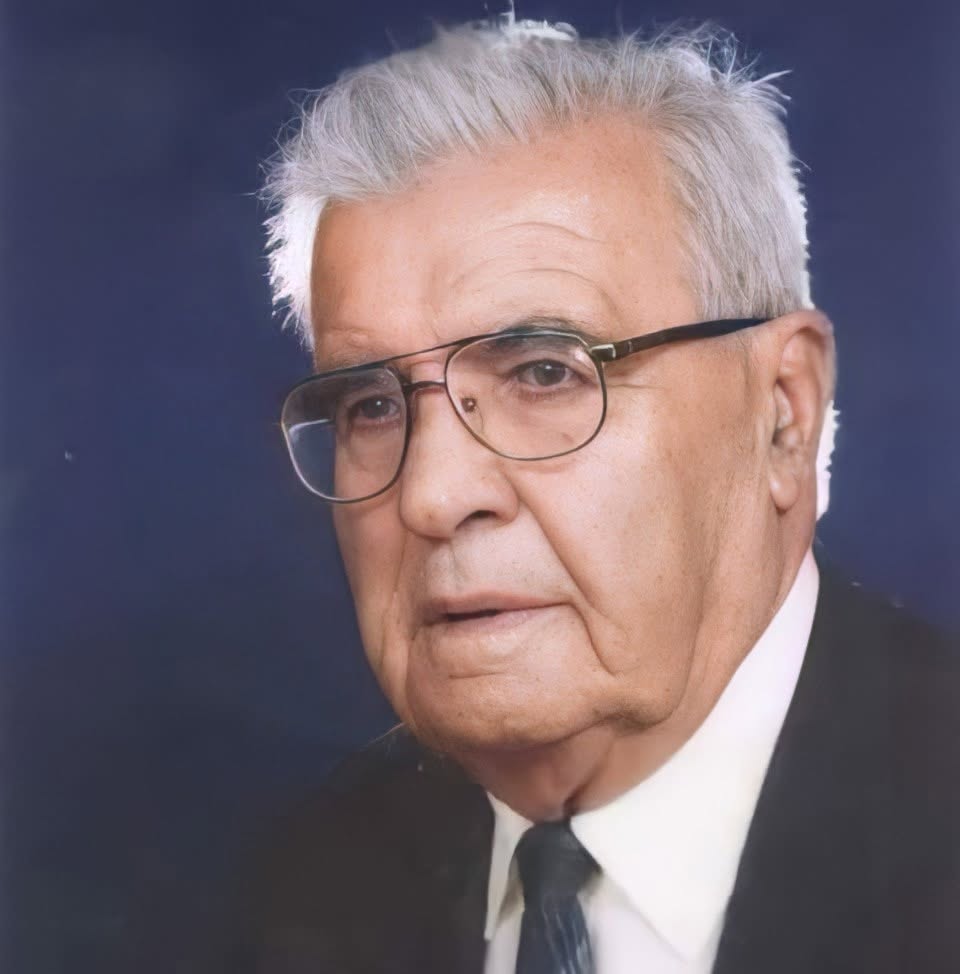
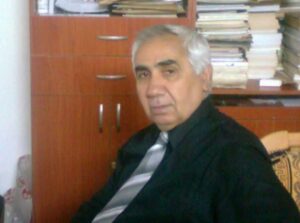
On June 18th of every year, we mark the anniversary of the passing of the great Kurdish poet, Seydayê Keleş, one of the most prominent figures of 20th-century Kurdish poetry. He was one of the voices that dedicated the written word to defending the Kurdish language, identity, and national existence. The late poet formed an important link in the journey of modern Kurdish literature, as he successfully merged the authenticity of classical poetry with the spirit of revolutionary national commitment. Consequently, his poems became a mirror reflecting his people’s pain and aspirations, as well as a literary record documenting a significant chapter of Kurdish cultural history. Despite the passage of years since his departure, his presence remains deeply rooted in the Kurdish consciousness, and his poems continue to inspire new generations of poets, writers, and enthusiasts of Kurdish literature.
Birth and Upbringing
The poet Seydayê Keleş, whose real name was Hussein Mohamed Hussein Keleş, was born in 1930 in the village of Bezekûrî, located in the Mardin region of Bakur (North) Kurdistan. During his early childhood, his family moved to Rojava (West Kurdistan), where they settled in the Jazira region, which would later become the primary nurturing ground for his literary and cultural talent. He grew up in a conservative Kurdish environment rich in folklore, tales, and traditional songs. This background left a clear mark on his poetic language and artistic imagery, which remained deeply rooted in the culture and collective memory of Kurdish society.
Education and Cultural Development
He studied Islamic jurisprudence (Sharia sciences) under the guidance of prominent scholars, such as Mullah Abdul-Razzaq (the successor of Sheikh Ahmed Al-Khaznawi), in various villages including Kerkûd, Khazna, and Tal Arbid within the countryside of Qamishlo and Amuda.
He mastered the Arabic language first, and then deepened his knowledge of the Kurdish language by reading the works of great classical poets such as Melayê Cizîrî, Ehmedê Xanî, and Elî Termûkî. This was in addition to Seydayê Cîgerxwîn, whose poetry collections he began reading upon meeting him in 1945. Keleş was profoundly influenced by Cîgerxwîn, considering him his mentor in poetry and culture. Around 1948, he left his religious studies and worked in agriculture, subsequently marrying and starting a family. He began writing poetry in 1950.
Early Poetic Beginnings
Seydayê Keleş began writing poetry in the early 1950s, a period when Kurdish culture faced immense challenges due to marginalization and prohibition policies targeting the Kurdish language and its cultural institutions. Right from his earliest poems, the defining features of his literary project emerged, built upon three fundamental pillars:
Defending the Kurdish language.
Expressing the struggles and concerns of the Kurdish people.
Preserving the aesthetics of classical poetry.
Therefore, his poetry was never isolationist or self-centered; rather, it was closely intertwined with national, social, and humanitarian causes.
A Poet of Identity and Cause
The Kurdish cause occupied a vast space in the poetry of Seydayê Keleş. He wrote extensively about the suffering of the Kurds, the deprivation of national and cultural rights, and the commitment to language and identity despite attempts at erasure and denial. He firmly believed that language is the vessel of collective memory and a fundamental pillar for the survival of nations. For this reason, he dedicated a major portion of his poetic output to defending the Kurdish language, urging younger generations to hold fast to it. Furthermore, other themes such as freedom, justice, love, nature, and the values of human solidarity were prominently featured in his poems, elevating his poetic experience beyond narrow nationalist frameworks to touch upon universal human concerns.
Most Prominent Poetic Works
Seydayê Keleş published a number of major poetry collections (Diwans) that became an integral part of the Kurdish literary library, most notably:
Rêka Gel (The Path of the People)
Em û Dijmin (We and the Enemy)
Derdê Millet (The Pain of the Nation)
Ronahî (The Light)
He also left behind manuscripts and other works addressing various aspects of national, social, and cultural life. Some of his poems continue to be sung by artists who composed melodies for them, which greatly contributed to their widespread popularity among the Kurdish public.
Artistic Characteristics of His Poetry
The poetry of Seydayê Keleş was distinguished by several artistic traits that earned him a special status among the poets of his generation, most notably:
Simple yet Deep Language: He was keen on using a language close to the people, free from complexity and affectation, while maintaining the robustness of expression and the beauty of poetic imagery.
National Commitment: His poetry was never detached from the struggles of his people; instead, the poem became a tool to defend the national and cultural rights of the Kurds.
A Strong Presence of Nature: He drew much of his vocabulary and imagery from the mountains, plains, and rivers of Kurdistan, making nature an essential element in constructing his poetic world.
Influence of Kurdish Heritage: He utilized the Kurdish literary and folklore heritage, infusing it with a contemporary spirit that resonated deeply with modern generations.
Seydayê Keleş in the Memory of Poets and Intellectuals
Many critics and researchers view Seydayê Keleş as an extension of the nationalist school founded by Cîgerxwîn and a number of pioneers of modern Kurdish poetry. He successfully maintained the continuity of this school through difficult decades marked by severe political and cultural challenges. He also left a distinct impact on subsequent generations of poets, who found in his experience a model that seamlessly combines literary authenticity with national commitment.
A Departure That Did Not End His Presence
On June 18, 2007, the curtain fell on the life of Seydayê Keleş after a long journey of poetic and cultural dedication. However, his physical departure did not end his moral and spiritual presence. His collections are still read, his poems are still sung, and his ideas continue to resonate in cultural seminars and events, solidifying his status as one of the most prominent voices that defended the Kurdish language and contributed to establishing its position in modern literature.
Conclusion and Core Message
Seydayê Keleş was the epitome of a poet who did not settle for merely crafting linguistic beauty, but rather turned poetry into a national, cultural, and humanitarian mission. He lived for the free word and wrote for humanity, the homeland, and the mother tongue, thereby fully deserving a prestigious place in the archives of modern Kurdish literature. Years after his passing, his poetic voice remains powerfully and vibrantly alive in the hearts of Kurds wherever they may be—serving as a witness to an important era of their cultural history, and proving that the honest word is entirely capable of defeating oblivion and remaining immortal in the memory of nations.
Ronahî Newspaper
Note: This text is translated from the original Arabic version… Read the Arabic version:Click here