From Folklore Song to the Stage.. An Artistic Journey Spanning Decades Carrying Human and Kurdish Causes to the Audience
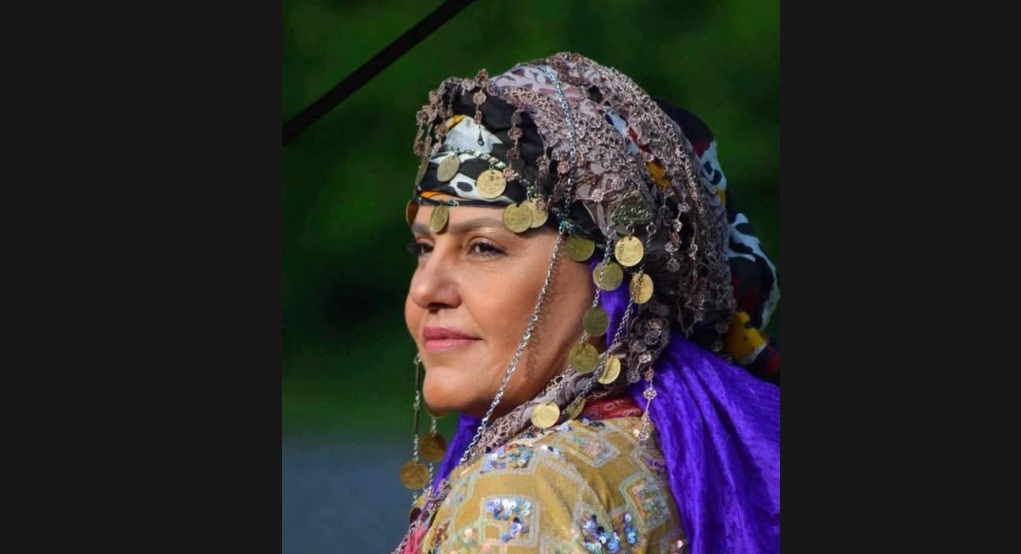
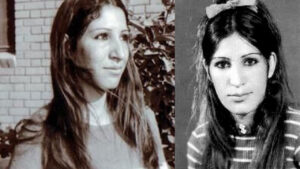
Bochum – The Kurdish cultural and artistic scene lost one of its most prominent female voices today, Saturday, September 5, 2026, with the passing of the esteemed artist and theater actress Golestan Taher, professionally known as “Golestan Subari,” in the German city of Bochum, following a struggle with illness, bringing to an end a creative journey spanning decades during which she navigated between folkloric singing and committed theater.
The late artist devoted a large part of her artistic experience to presenting Kurdish vocal heritage and expressing human concerns and societal issues, before her theatrical presence stood out in a special way through works that brought stories of war, displacement, and exile to the stage.
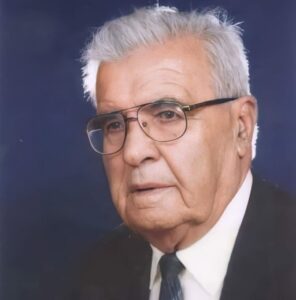
Golestan Taher hails from the city of Dirbesiyê in the Hasakah Governorate in Western Kurdistan “Rojava Kurdistan” and grew up in a family whose name was connected to art and music; she was the daughter of the late Kurdish artist Ramadan Najam Omari, and was also the wife of the writer and theater director Adel Ismail, who shared part of her artistic and personal journey with her.
From Folklore to Singing
Golestan Subari began her artistic path in 1984 when she joined folklore groups and participated in reviving Kurdish vocal heritage, going on to present a number of works in subsequent years that found their way into popular memory.
Among the most prominent works with which her name became associated was her famous emotional song “Qamishloka Evînê” (Qamishli of Love), which consolidated her presence in the field of singing alongside her activity in folkloric arts.
As her experience expanded into theater, the scope of her artistic presence widened, making the stage another space to express human and social causes, particularly those linked to war, displacement, and exile.
“Nesrin”.. A Prominent Station in Her Theatrical Journey
Golestan Taher’s name stood out particularly through the monodrama “Nesrin,” in which she played the role of a Kurdish girl facing the repercussions of war, the tragedies of displacement, and the pain of exile.
The work received critical and public attention, while Golestan Taher earned the “Best Actress” award for her performance in it at the Saqez International Theater Festival in Iran, adding a prominent landmark to her theatrical career.
In a previous statement, the late artist said that the play was performed in Berlin and Hesse in Germany, and she also presented it as part of the 19th Saqez Theater Festival in Iran, where she won the Best Actress award. She also noted that she intended to present the work in Egypt, Lebanon, and Tunisia.
“Nesrin” was written by Ahmed Ismail Ismail, directed by Adel Ismail, and performed by the theater actress Golestan Taher. Through it, the late artist addressed the suffering of childhood, war, and displacement, attempting to convey this experience to a wider audience outside the region.
Speaking in a previous interview about her message through the work, Golestan said: “I present this play in the name of the children of our people here, and I carry on my shoulders the suffering of an entire people and will convey it to the world. Perhaps the load is heavy, but I strive to carry their concerns and travel with them around the world’s countries. Wherever my journey lands, I will present this play, for Nesrin’s cry has not yet been heard.”
Artistic Presence in Exile
Golestan Subari emigrated to Germany in the year 2000, and after settling there, she continued her activity in singing and theater. She also participated in Kurdish cultural and artistic festivals and events across various European cities, keeping her connection to the Kurdish cultural scene alive in exile.
Her presence in Europe was not limited to musical participation; she also continued presenting her theatrical works, including “Nesrin,” which was performed in Germany and Qamishli, alongside her participation in the Saqez International Theater Festival in Iran.
Her name also appeared in Kurdish cultural and artistic events in Germany years ago, including her participation in artistic activities in the city of Essen alongside other Kurdish artists, within the framework of activities aimed at keeping Kurdish culture and arts present among the Kurdish community in Europe.
With the passing of “Golestan Subari,” the Kurdish artistic scene loses an artist who combined folkloric singing and theater, and whose presence was associated with works that carried human and Kurdish concerns to the stage and the audience, while her artistic legacy remains enduring through the songs and theatrical works she presented over more than four decades of creative activity.
Note: This text is translated from the original Arabic version… Read the Arabic version:Click here